
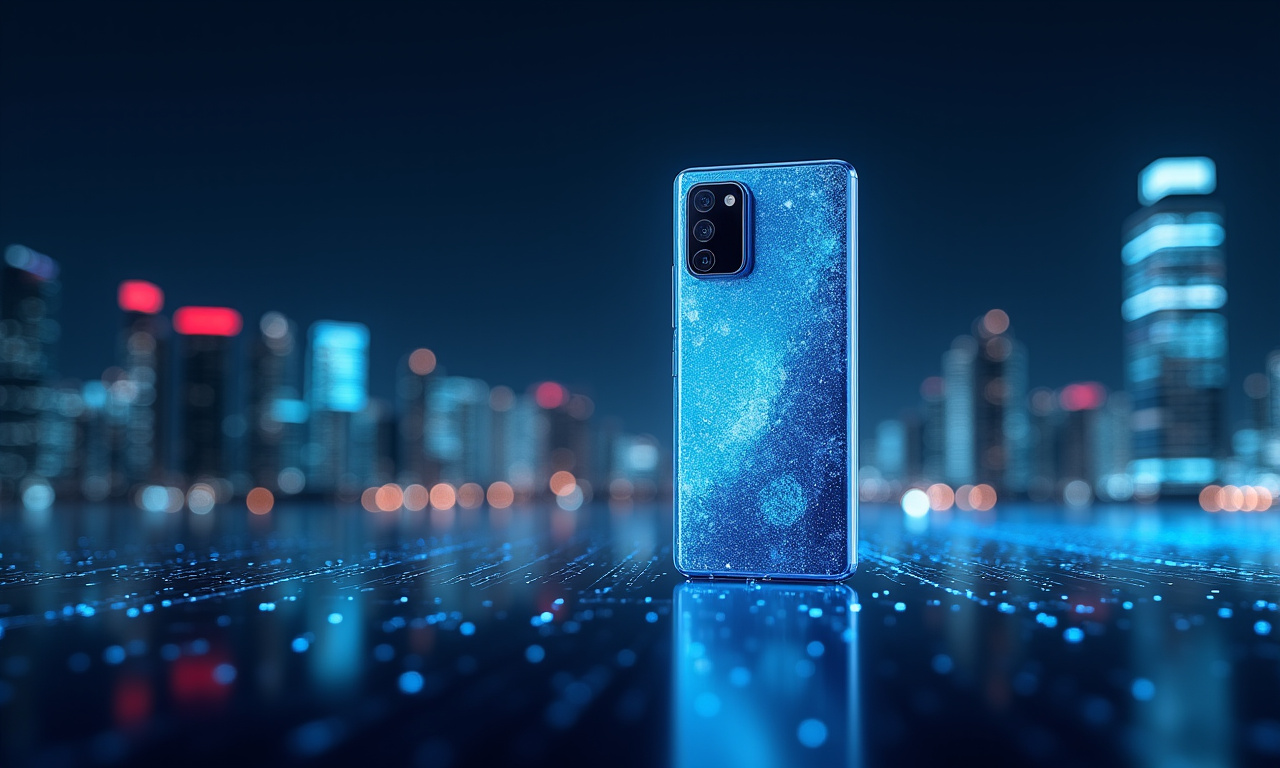

Xiaolu Lawrence, a popular Chinese vlogger specializing in travel, photography, and videography with over 1 million followers on Weibo alone, tested the new flagship cameraphone, the Xiaomi 17 Ultra.

During the shoot, the 200-megapixel Leica optical zoom came as a pleasant surprise, covering all portrait focal lengths from 75mm to 100mm, providing a high degree of freedom for shooting.
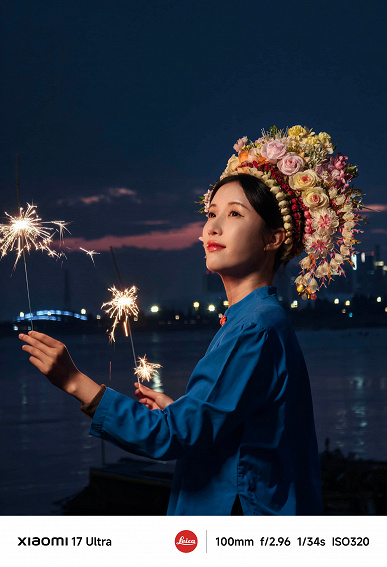
According to him, the main Leica camera with the 1-inch Light and Shadow Master sensor in the Xiaomi 17 Ultra exceeded expectations in night scenes. Whether shooting in low light conditions, such as fireworks, or complex lighting conditions with streetlights and lamps, the Xiaomi 17 Ultra camera always produced very clear photos.

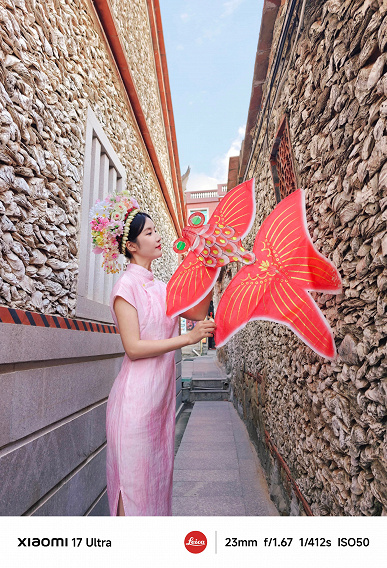



On December 27 at 10:00 AM in China, sales of the Xiaomi 17 Ultra and Xiaomi 17 Ultra Leica Edition smartphones began, with prices starting at 7999 yuan ($1130)-just 500 yuan ($70) more than the regular version with similar configuration.
The anticipation around Xiaomi’s new flagship grows as the company continues to challenge its competitors by integrating advanced Leica technology. The move is expected to push boundaries in mobile photography, setting new standards for image clarity and color accuracy-a factor increasingly important in today’s visually driven social media environment.
Industry experts have noted that Xiaomi’s collaboration with Leica could redefine premium smartphone photography, making it more accessible to users seeking professional-grade imaging from their mobile devices. Amidst Xiaomi’s latest offerings, there are discussions about further innovations expected in coming models, which may include enhanced AI capabilities and energy-efficient processing chips to improve user experience without compromising on battery life.