





Xiaomi has launched the second phase of beta testing for its new HyperOS 3.1 interface based on Android 16. If the first wave of updates at the end of January was exclusively for the latest lineups (Xiaomi 17 and Redmi K90), the current phase opens system access to owners of flagship devices from previous generations. All compatible devices are now unified under the build branch 3.0.300.
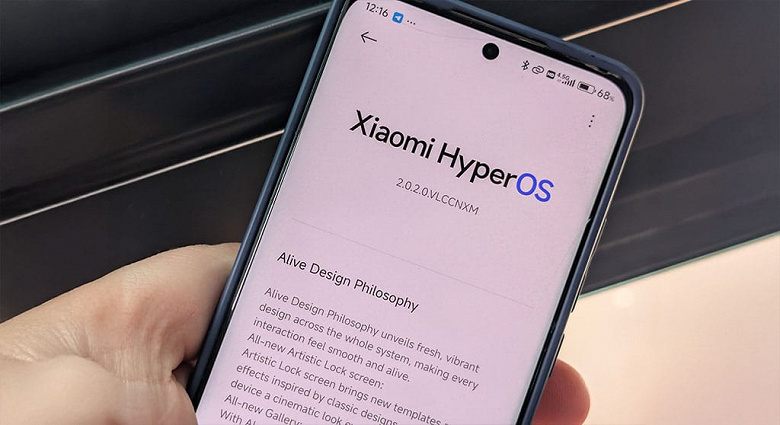
The main features of HyperOS 3.1 include deep system optimization through the removal of outdated code, a completely redesigned recently launched apps menu in the iOS style, and expanded functionality of the HyperIsland interactive zone. The fact that the update arrived on devices based on the Snapdragon 8 Gen 3 and 8 Elite simultaneously indicates the high stability of the Android 16 core and readiness for mass release.
The current testing list includes: the entire Xiaomi 15 series (base, Pro, S Pro, and Ultra), the Xiaomi 14 lineup (including Ultra), as well as the Redmi K80, K80 Pro, and K80 Ultra smartphones. Among tablets and foldable devices, the Xiaomi MIX Flip 2 and Xiaomi Pad 7 Ultra received the update.
Technical Advancements in HyperOS 3.1
HyperOS 3.1 stands out with its emphasis on efficiency and user experience. By eliminating obsolete code, the system claims to offer smoother multitasking and improved battery life. The HyperIsland zone enhances interactivity through custom widgets, a feature not widely seen in its competitors’ ecosystems yet.
Market Implications and Consumer Reception
For Xiaomi, pushing such updates benefits both brand loyalty and market competitiveness. As more users seek robust and customizable operating systems, HyperOS 3.1 positions Xiaomi as a formidable player, challenging giants like Samsung’s One UI and Google’s Stock Android. With the rapid adoption of foldable and multi-function devices, this upgrade might tip user preference towards Xiaomi, especially given its affordability compared to other brands.
“Xiaomi’s latest OS update signifies not just an incremental change, but a bold step towards harmonizing user experience across devices,” commented a tech analyst recently.