






The president of Xiaomi Group, Lu Weibing, has unveiled a photo taken with the main camera of the upcoming flagship Xiaomi 17 Ultra. The image of fireworks in Liuyang is intended to showcase its night photography potential, displaying rich colors of the flashes while maintaining noise-free “pure” black shadows.

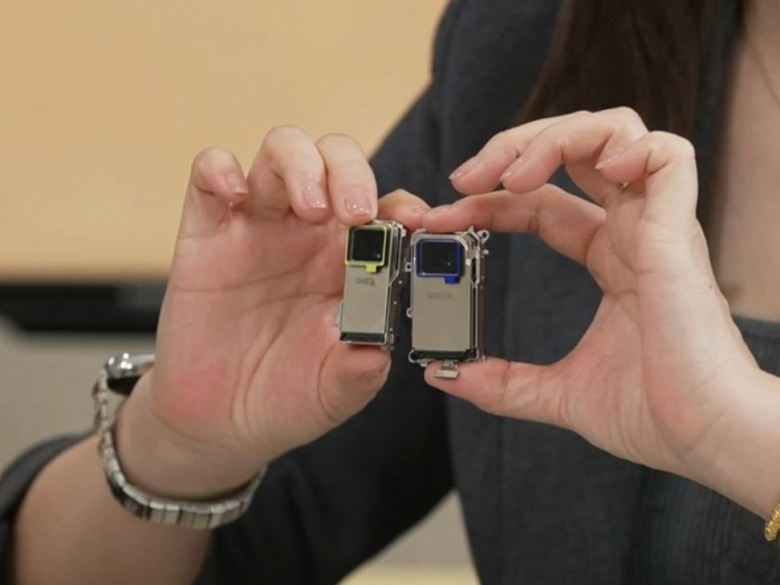
The high image quality is achieved through advanced hardware components. The main camera, equipped with a 50-megapixel one-inch Omnivision OV50X sensor, supports third-generation LOFIC technology, significantly widening the dynamic range. The 200 MP telephoto lens is 35% larger than that of the 15 Ultra model. According to the company, its production costs are double, with an optical design that is likely the most complex in the industry.
In the image below (left), the periscope module of the Xiaomi 15 Ultra is shown, juxtaposed with the Xiaomi 17 Ultra’s sensor on the right.
Lu Weibing previously announced that the Xiaomi 17 Ultra will be priced higher than its predecessor. It is also known that the smartphone will feature continuous optical zoom. The official launch of the new model is set for next week.
Technological Advancements and Market Position
In recent reports, the Xiaomi 17 Ultra has been noted for pioneering several advancements in mobile photography that could potentially influence upcoming smartphone designs. Its advanced camera system is expected to redefine the user’s photography experience, setting it apart from competitors like Apple’s iPhone 14 and Samsung’s Galaxy S23 in terms of camera performance.
Analysts speculate that with this release, Xiaomi aims to solidify its position in the premium segment, directly challenging its primary competitors and appealing to photography enthusiasts globally. The pricing strategy reflects a broader market move by Xiaomi to establish itself as a leader in innovative smartphone technology, willing to invest heavily in research and development.
Experts in the field have commented on the strategic importance of Xiaomi’s focus on enhancing image processing capabilities. “Incorporating such high-level optics and imaging solutions not only benefits Xiaomi’s market presence but also pushes the industry towards prioritizing camera quality in upcoming models,” notes a leading industry analyst.