
Renowned insider Ice Universe published a comparison of flagship smartphone cameras, displaying the same scene under identical lighting. The selection included the Xiaomi 17 Ultra, Galaxy S25 Ultra in standard mode, Galaxy S25 Ultra using Expert RAW, and the iPhone 17 Pro Max. According to the insider, all three competitors fell short of the Xiaomi 17 Ultra in terms of detail and light handling.
1. Xiaomi 17 Ultra 2. Galaxy S25 Ultra (default) 3. Galaxy S25 Ultra (Expert RAW) 4. iPhone 17 Pro Max. All three lose to Xiaomi 17 Ultra. It’s not about settings or HDR styles. It’s about how much light the sensor can capture at the moment the shutter button is pressed.
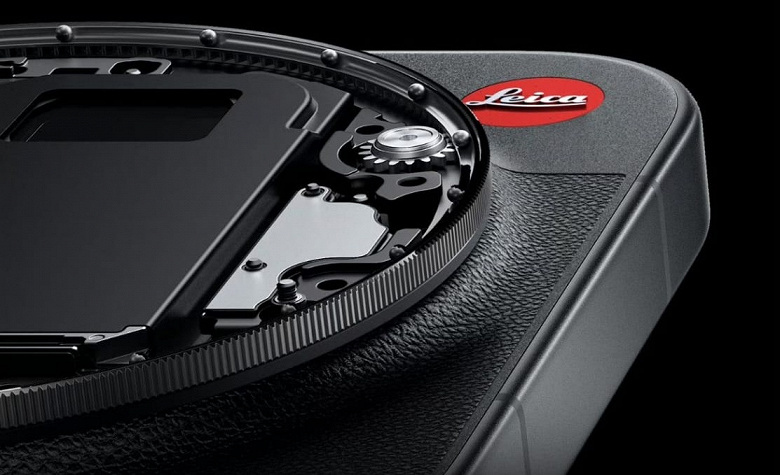
The 1-inch LOFIC sensor captures what others simply cannot depict. The hardware still defines the ceiling of possibilities. Algorithms cannot replace it.
Recent reports suggest that Xiaomi’s advanced LOFIC sensor is pushing boundaries by offering an unprecedented aperture size, allowing it to gather more light than its rivals. Additionally, experts have noted that the ongoing development of AI-enhanced camera features in smartphones points to a future where software will play a more significant role in photography. However, the hardware foundation remains crucial, as demonstrated by Xiaomi’s achievement.
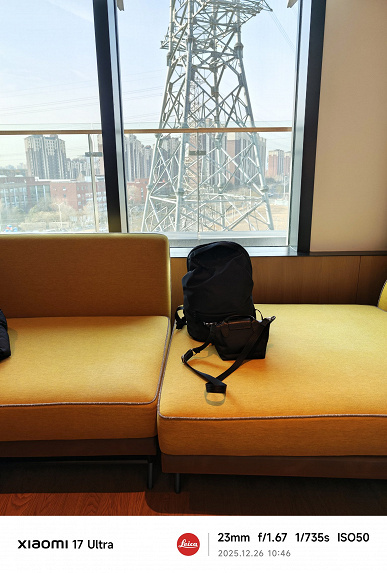


Moreover, it was shown how useful the 200-megapixel system is. Even if you enlarge the image 100 times, the smartphone can still recognize a QR code that was caught in the photo. You heard right. This is achieved not by the camera zoom, but by a single shot that records 100 times more information. It is the most powerful 200-megapixel photo in history.
As the smartphone camera war heats up, companies are racing to develop sensors that can handle more data, supporting higher resolution images that maintain clarity. This technological leap promises not only artistic advancement but also practical uses in fields such as security and medical imaging.