
Samsung has delayed the previously announced shutdown of its DDR4 memory production lines. The cause is a sharp increase in prices for the older type of memory: the cost of a 16 GB module on the spot market has reached a record $60, making this segment profitable again for the South Korean giant. However, the company does not plan to expand production-it’s simply an extension of the current capacity’s operational life.
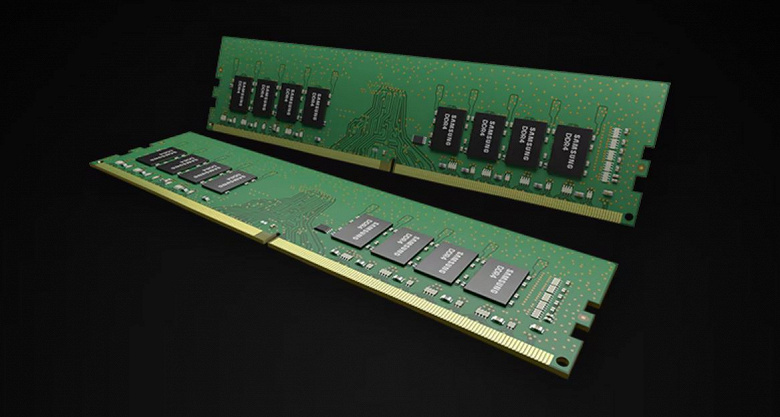
One major client has signed a strict NCNR (Non-Cancellable, Non-Returnable) contract with Samsung, guaranteeing supply at a fixed rate without cancellation or return. This contract shields the customer from market volatility, driven by an AI boom, and protects Samsung from demand fluctuations.
It is reported that within this contract, the price will exceed $20 for a 16 GB module, about three times less than current market rates. However, regular consumers should not celebrate just yet: the contract is aimed at the server segment. Consumer electronics manufacturers are still hesitant to sign long-term supply agreements for DDR4.
Initially, Samsung planned to phase out DDR4 production to increase the output of modern HBM and DDR5 memory. However, the frenzy for AI components has driven up the prices of new types of memory, forcing some companies to revert to older platforms with DDR4. This situation has stimulated DDR4 prices, although it still remains cheaper than DDR5.
Recently, the memory market has seen tremendous impacts due to the rise in AI technological advancements. Increased demands for faster and more efficient computation powers have pushed companies back toward DDR4 while also inflating the costs of newer models like DDR5 and HBM. The strategic decisions by major players like Samsung highlight a complex balance between meeting contemporary demands and managing economic viability within this lucrative segment.