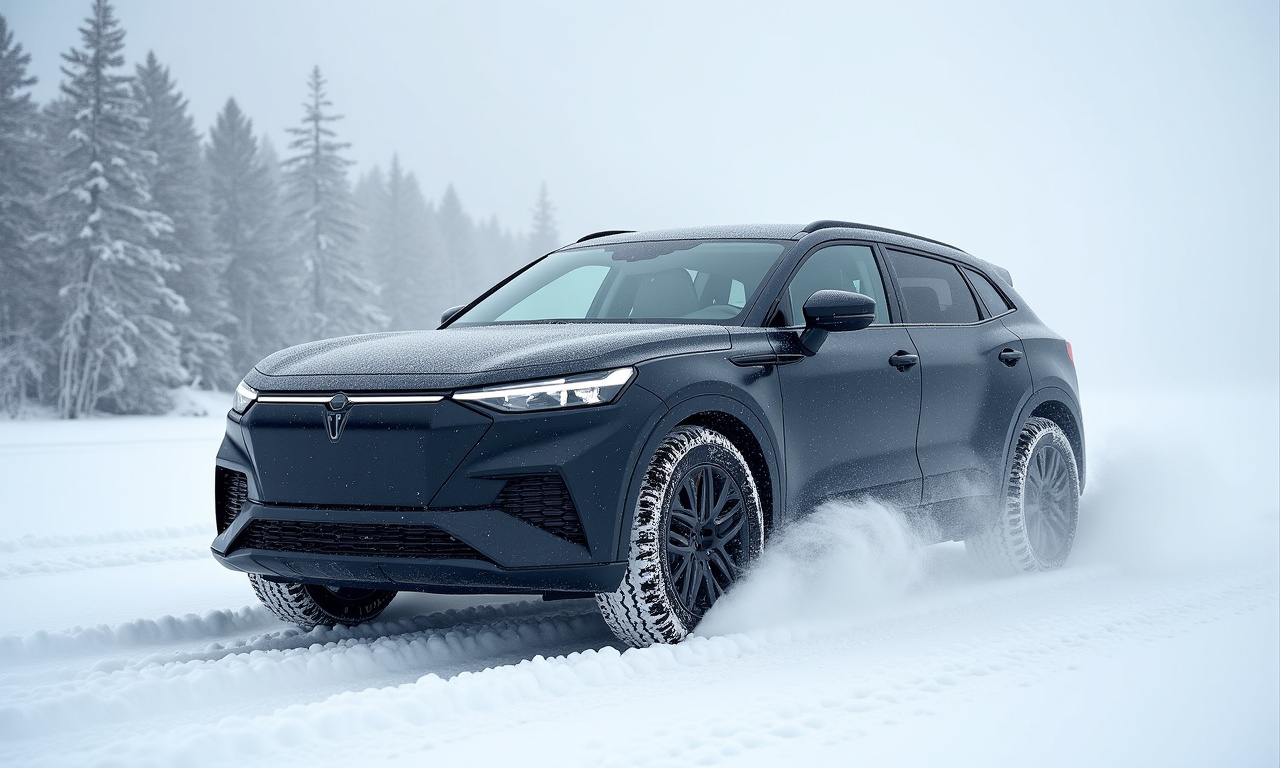



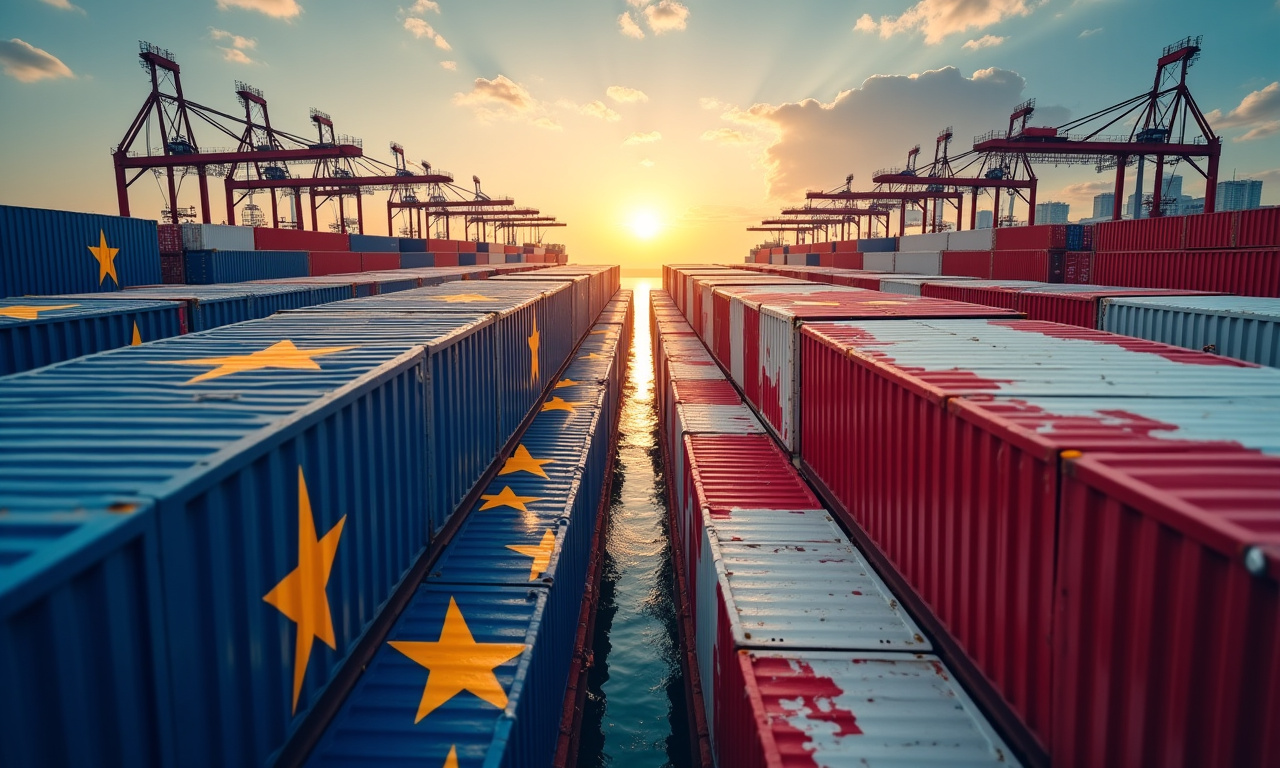

German automobile exports to the United States declined nearly 14% in the first three quarters of 2025, marking this industry as the most impacted by President Donald Trump’s trade war. In line with the agreement between Washington and Brussels, the U.S. implemented a base tariff of 15% on cars from Europe starting August 1-significantly less than Trump’s original proposal of 25%, which was in addition to the existing 2.5% duty. German engineering firms also faced challenges due to the tariff regime: research showed a 9.5% drop in exports from this sector to the U.S. over the first nine months of 2025. Exports of engineering products are subject to a 50% U.S. tariff on steel and aluminum. In the chemical industry, there was also a 9.5% decrease in exports to the country’s key export market.
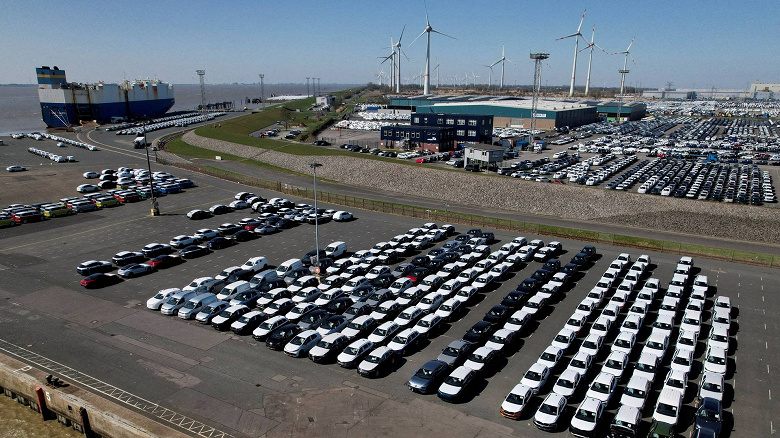
Photo Erol Dogrudogan/Reuters “In the case of chemical products, other factors likely played a role, such as reduced production in Germany due to higher energy prices,” the report said. Overall, across all sectors, German exports to the U.S. fell by 7.8% year-over-year over the three-quarter period, while in comparable periods from 2016 to 2024, an average growth of nearly 5% was observed. Recent comments from Volkswagen emphasize that domestic manpower and component sourcing have become strategic priorities in response to the tariffs. Moreover, Mercedes-Benz announced enhanced supply chain adaptations, reflecting a shift to possibly mitigate tariff impacts. Experts suggest these moves might alter the competitive dynamics and consumer choices in the U.S. car market, fostered partly by the tariff-induced realignment.