
A New Chapter in Martian Exploration
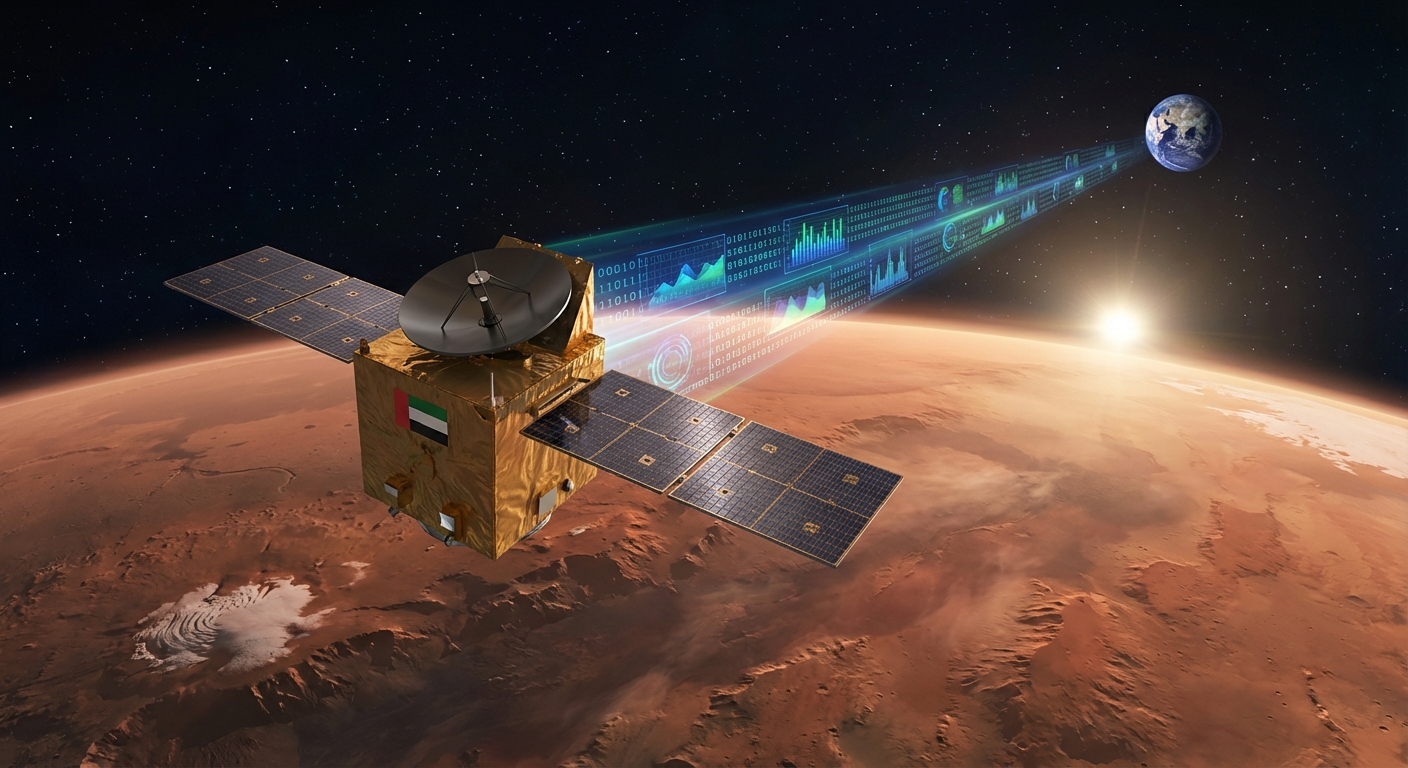
The United Arab Emirates (UAE) has announced a significant extension of its groundbreaking Emirates Mars Mission (EMM) until 2028. The mission, centered around the Hope probe which successfully entered Martian orbit in 2021, has already surpassed its primary objectives by a staggering margin, cementing the UAE’s role as a formidable player in global space exploration. The extension was confirmed by Dr. Ahmad Belhoul Al Falasi, UAE Minister of Sports and Chairman of the UAE Space Agency, highlighting the mission’s exceptional performance and the desire to maximize scientific returns on this strategic investment.
Exceeding All Expectations
Initially tasked with collecting 1 terabyte of comprehensive data on the Martian atmosphere, the Hope probe has exceeded this goal tenfold, delivering more than 10 terabytes of high-quality scientific data to the global community. This wealth of information, which provides the first complete picture of the Martian atmosphere and its layers, has been shared across more than 200 research institutions worldwide. The mission’s unique elliptical orbit allows it to capture a planet-wide picture of Mars’ atmospheric dynamics and weather patterns, including dust storms, throughout daily and seasonal cycles. The extension will enable scientists to build a more complex understanding of the connection between Mars’ lower and upper atmospheres over a longer period.
New Scientific Horizons: From Martian Moons to Interstellar Guests
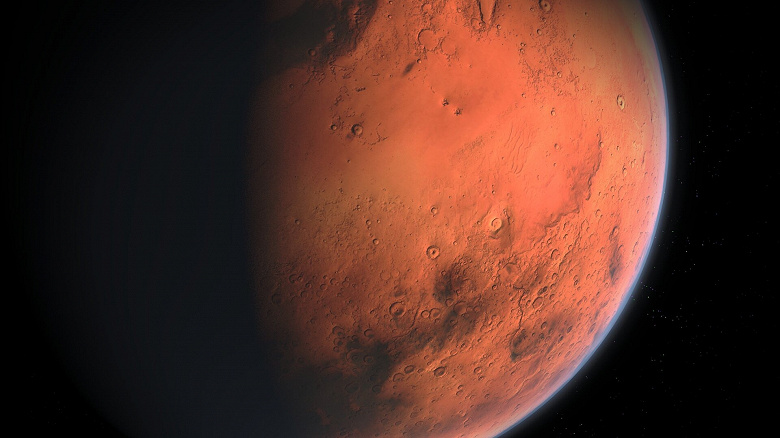
The Hope probe’s contributions have extended beyond its primary atmospheric study. The spacecraft has conducted unprecedentedly close fly-bys of Mars’s smaller, less-observed moon, Deimos, from a distance of about 100 kilometers (62 miles). These observations have provided the first high-resolution images of Deimos’s far side and compositional data that challenge the long-held theory of it being a captured asteroid, suggesting it may have a planetary origin. Furthermore, the probe successfully captured images of Comet 3I/ATLAS, the third known interstellar object to pass through our solar system, offering rare insights into materials from beyond our cosmic neighborhood.
The Next Frontier: The Emirates Mission to the Asteroid Belt
Building on the success of the Hope mission, the UAE is setting its sights on the main asteroid belt between Mars and Jupiter. The ambitious Emirates Mission to the Asteroid Belt (EMA) is scheduled to launch in 2028. This billion-dollar project will send an unmanned spacecraft, the MBR Explorer, on a 5 billion kilometer (3.1 billion miles) journey to study seven different asteroids. The 13-year mission aims to deepen our understanding of the solar system’s origins and assess the potential for future resource utilization from asteroids.
Building a Space Economy: The Shift to the Private Sector
The UAE’s space ambitions are intrinsically linked to its economic vision. According to Al Falasi, the initial phase of the space program was foundational and largely government-funded, but the focus is now shifting to active private sector participation. This strategy is exemplified by the upcoming asteroid mission, where 50% of the budget and activities are allocated to private companies, including startups. This approach is designed to accelerate the growth of the national space economy, with the goal of placing the UAE among the top ten global players in the space sector by 2031.