





The demand for processors and system-on-chip (SoC) units from TSMC has reached such heights that clients are prepared to pay up to an additional 100% for accelerated chip production. This information comes from a new analysis by JPMorgan, prepared by analyst Gokul Hariharan. According to the data, TSMC’s factories are so overloaded that for customers, the priority is speed to market rather than cost.
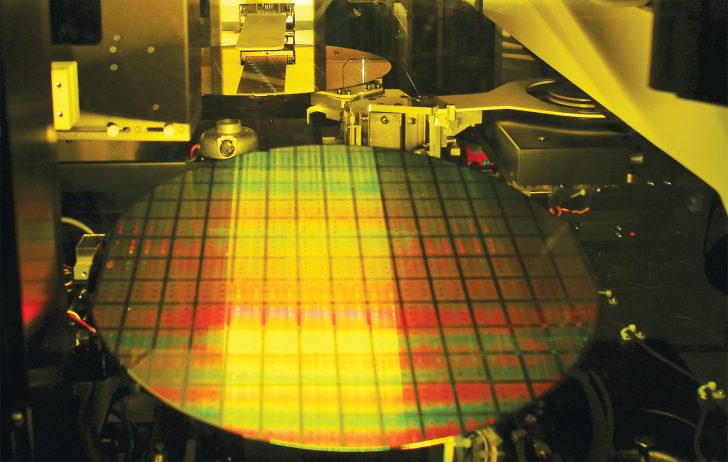
The explosive demand from the AI sector has become the primary driver of the overheating of production lines. The report notes that TSMC’s lines are operating in “hot runs,” where clients effectively pay double for urgent order fulfillment. Although specific companies are not named, analysts believe that these customers include Nvidia and AMD, for which adhering to a tight release schedule is critical. The “hot run” format allows TSMC to achieve super-profits: a significant portion of revenue is essentially formed from premium accelerated orders.
In recent months, TSMC’s strategic movements within the AI domain have positioned it at the forefront of the industry, with revenues surging as AI-related chip demands have virtually doubled. TSMC is capitalizing on its advanced foundry capabilities to meet this demand, signaling broader implications for supply chains globally. Moreover, the company’s operational strategy now heavily integrates AI to optimize its manufacturing processes further, enhancing efficiency and responsiveness to market changes.
Experts in the field emphasize that the current environment grants TSMC an unparalleled advantage in resource allocation, allowing it to prioritize clients willing to pay for quicker production cycles. Industry voices highlight that this approach not only benefits TSMC through increased profit margins but also ensures its clients’ competitive edge by minimizing time-to-market.
Furthermore, financial trends indicate that accelerating technological advancements will continue to dictate semiconductor pricing, with companies like Nvidia and AMD exerting pressure to meet continually shrinking timelines. The willingness to pay premiums for expedited production underscores the competitive tension and rapid evolution within the semiconductor landscape.