



Toyota has officially announced an impending price increase for its vehicles in the United States in 2026. According to Andrew Gilleland, Senior Vice President of the North American division, unlike the usual two-stage price hikes, this year will see three waves of price increases. The company’s leadership acknowledges that the situation where the average price of a new car in the United States is approaching $50,000 ‘keeps them up at night’, but rising costs and new trade tariffs make price adjustments unavoidable.
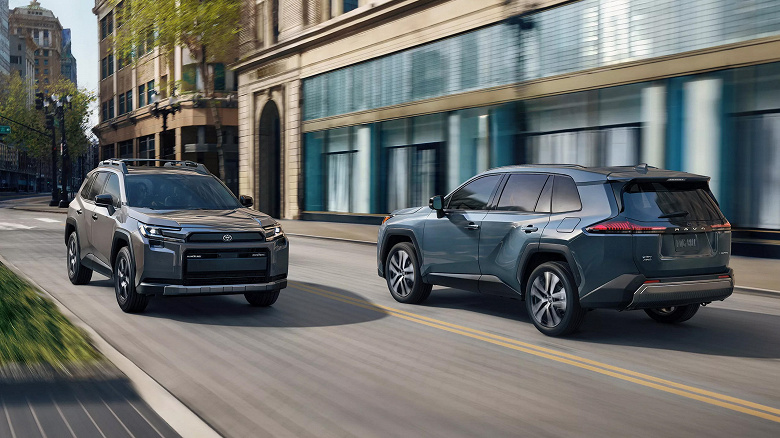
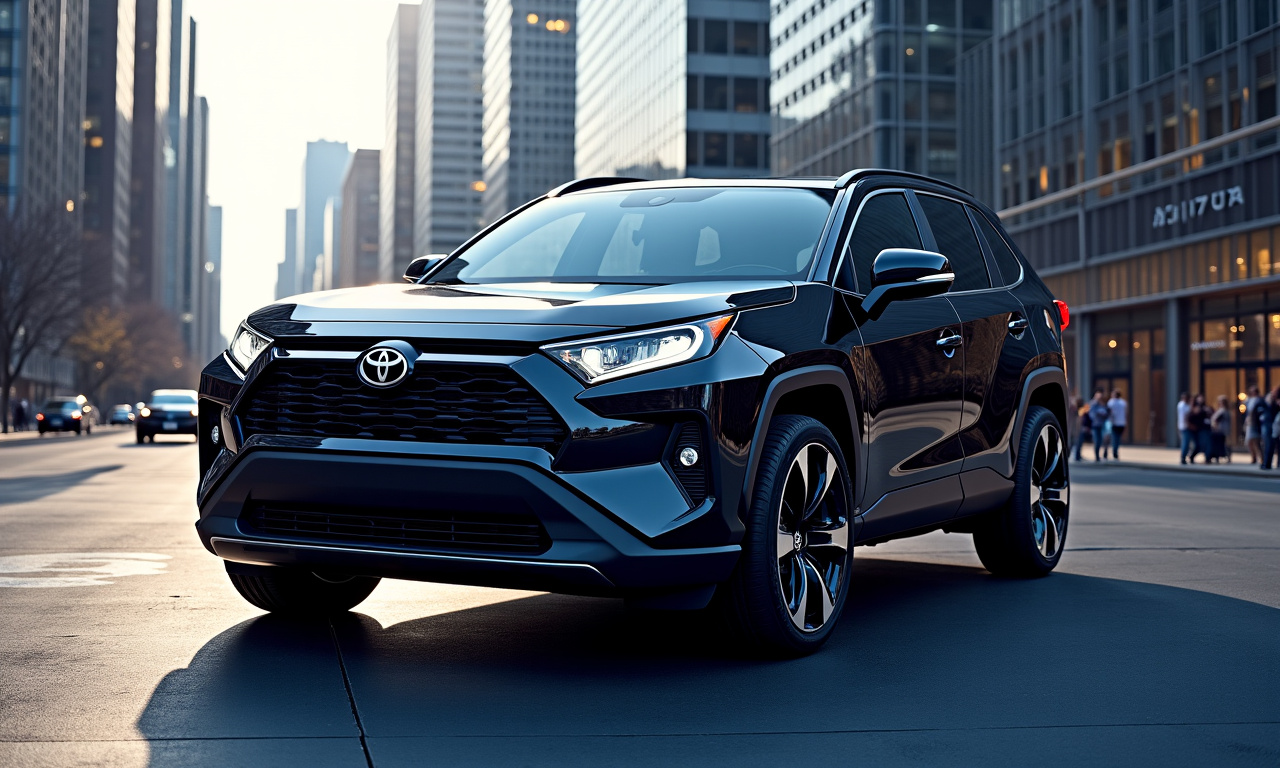
The situation is exacerbated by the shortage of the company’s most demanded crossover, the 2026 model year RAV4. Due to a generation change and logistical challenges, the market supply is temporarily limited, an opportunity that ‘greedy’ dealers have already seized. To compensate for the dip in sales of its bestseller, Toyota plans to aggressively promote less popular models: Crown cross-sedans, the electric bZ series, and the new C-HR+. Dealers are advised to actively divert the attention of buyers who do not want to overpay for the scarce RAV4, to these alternatives.
Another headache for the Japanese auto giant remains import duties. The head of the brand in North America, Dave Christ, described the situation as a ‘game of chicken’: the company is trying to bear the costs for as long as possible without passing them on to consumers, but acknowledges that this cannot last indefinitely. Currently, the company has sufficient stocks of pickups in the US, but inventories of crossovers and passenger cars remain among the lowest in the last two years.