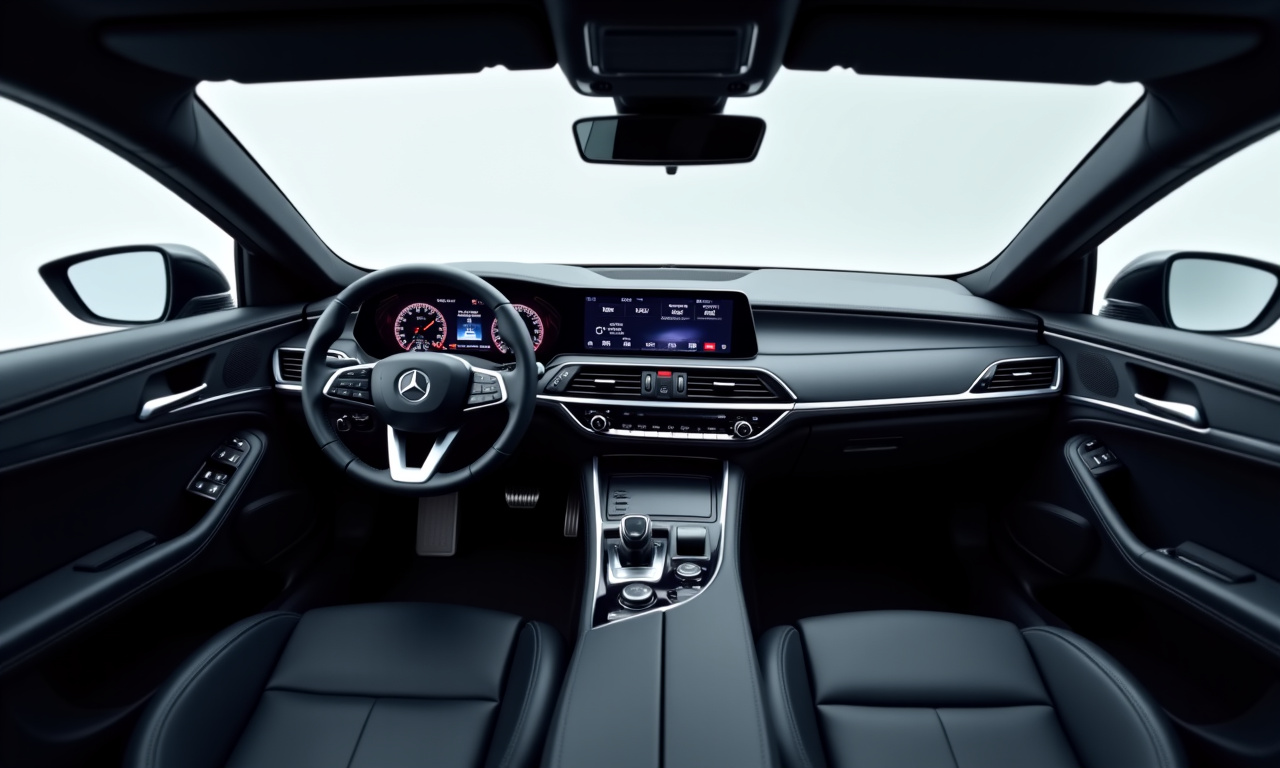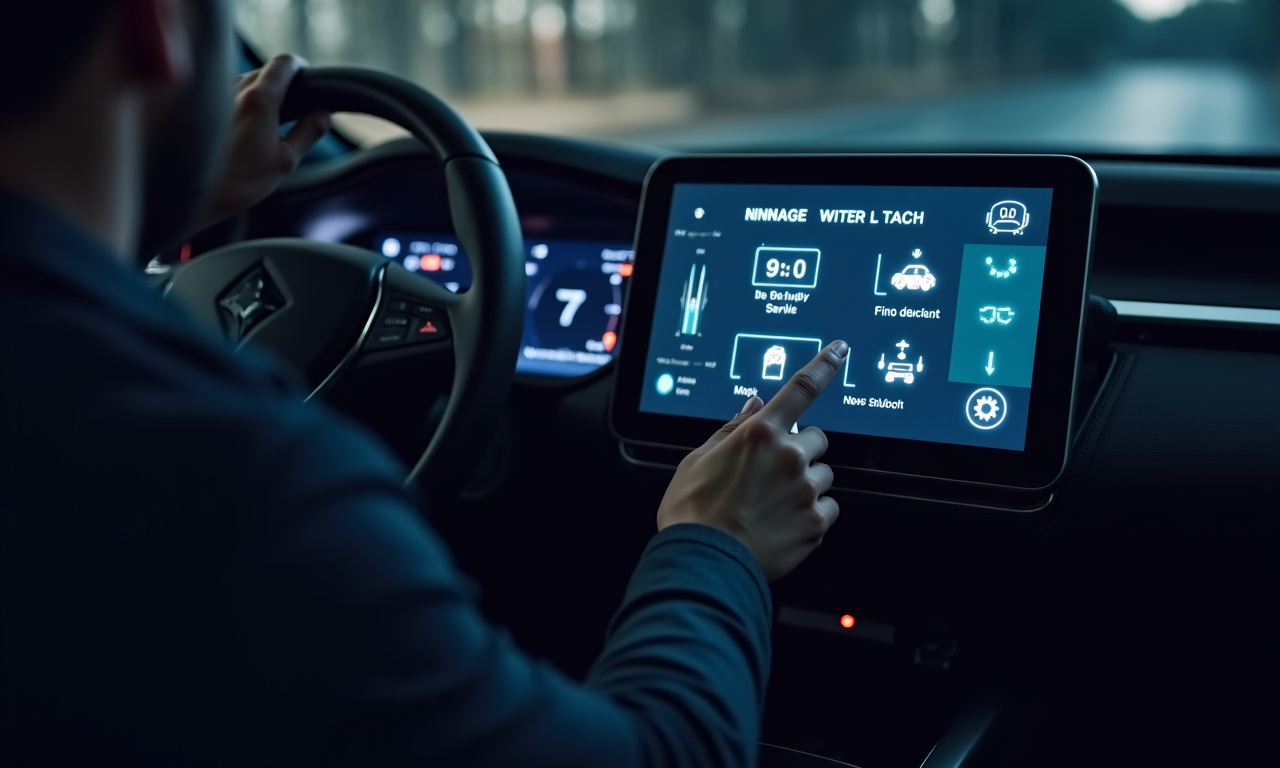

A study conducted by Washington State University and Toyota Research Institute found that touchscreens in cars negatively impact driving safety. During the experiments, which involved 16 participants, drivers interacting with the touchscreen demonstrated a significant deterioration in driving performance. The participants operated driving simulators in conditions closely resembling real urban environments. While driving, they were asked to perform simple tasks on the touchscreen, such as adjusting car settings or changing radio stations. Scientists monitored eye and hand movements, pupil dilation, and skin conductance to assess cognitive load and stress.

The results showed that touch accuracy and speed when working with the touchscreen decreased by more than 58% compared to situations where the driver was not behind the wheel. This means drivers need more focus on interacting with digital menus, distracting them from the road. Consequently, lane deviation increased by more than 40% when using the touchscreen. The authors of the work believe that automakers should reduce the number of menus and provide physical buttons for the most frequently used options. Scientists also propose developing intelligent systems that adapt to the driver’s condition, for example, enlarging button sizes or restricting certain functions when increased distraction is detected.
Some automakers are already returning to physical buttons for essential functions, considering consumer backlash and potential penalties from safety organizations. Recently published data points to a 15% rise in accidents linked to touchscreen distraction over the past year. Industry experts like James Oliver, a senior analyst at Automotive Insights, suggest that manufacturers should not only focus on design but also consider integrating voice command systems to minimize manual interaction. Advanced technologies, such as AI-driven interfaces that predict user needs without requiring constant input, are emerging as a solution to mitigate these risks.
The authors of the study hope their work convinces more companies to reassess their approach to automotive interface design. In future developments, companies like Ford and Hyundai have announced investments in technologies that can dynamically adjust settings based on real-time driver behavior analysis, aiming to enhance road safety.