
AMD’s Graphic Cards Meet the Heat: A Growing Concern
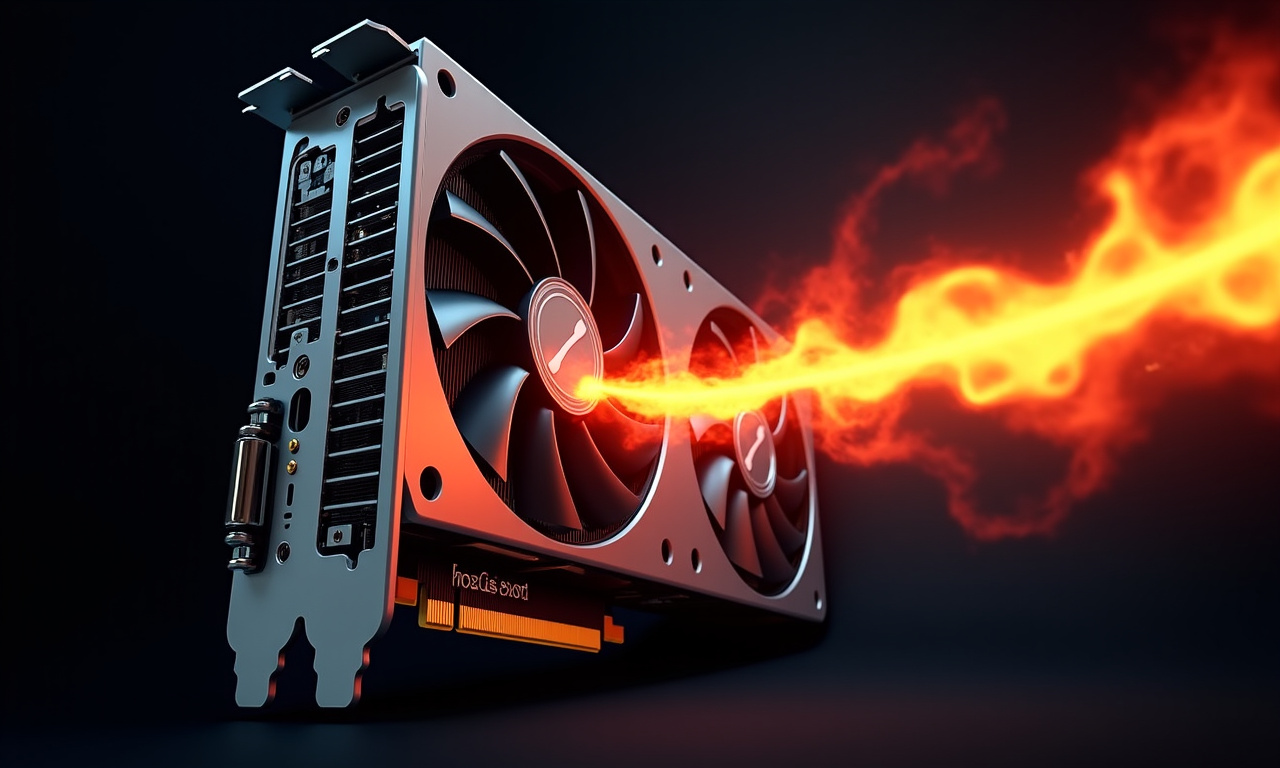
The issue of melting power connectors, previously associated mainly with Nvidia’s high-end graphics cards, has now extended to AMD’s products. On Reddit, user ProfessionalHost3913 reported melting of the 16-pin 12V-2X6 connector on the Sapphire RX 9070 XT Nitro+ graphics card. It is noteworthy that currently only two versions of the Radeon RX 9070 XT are equipped with the 12V-2X6: the Sapphire RX 9070 XT Nitro+ and the ASRock RX 9070 XT Taichi.
Last year, a case of connector melting in ASRock’s accelerator was documented, and now it seems the Sapphire version is not immune.
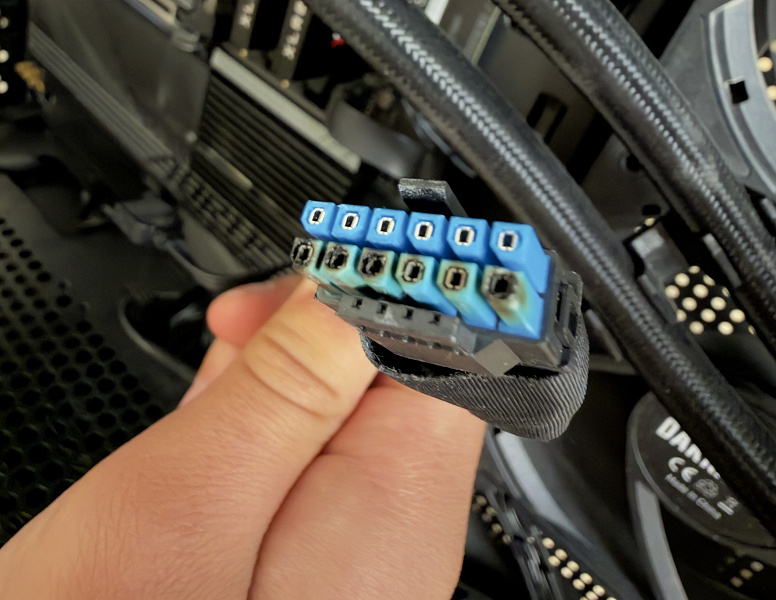
The PC owner encountered spontaneous black screens when launching games, where audio persisted, indicating the computer was operational until a forced reboot was necessary. Initially, reinstalling drivers seemed to solve the problem, but it soon resurfaced. Upon inspecting the hardware, it was discovered that the included power adapter had melted, with the top row of pins being particularly damaged.
The user insisted on following all precautionary measures: using the recommended included adapter, ensuring the cable was firmly clicked in without misalignment or strain, and employing a quality power supply-Cooler Master Gold 850W V2.
Even though the connector on the graphics card itself appears intact, the computer began crashing to a black screen even during simple web browsing. The user has filed for a return merchandise authorization (RMA) for the graphics card.
Industry Reactions and Future Implications
Industry experts are beginning to voice concerns over these incidents, which could hint at a broader problem beyond individual user setups. If left unresolved, it may lead to significant consumer distress and potential financial setbacks for manufacturers like AMD and Nvidia.
As the technical specifications of these graphics cards continue to evolve, adding power efficiency and heat management technologies might become a priority. The Sapphire RX 9070 XT Nitro+ and ASRock RX 9070 XT Taichi are known for their robust design and performance output, but this issue might trigger further design overhauls.
Graphics card manufacturers might be propelled into rethinking their current designs to minimize risks of similar issues down the line, and consumers may need to stay vigilant about the power supply and management systems they employ to ensure optimal hardware longevity.