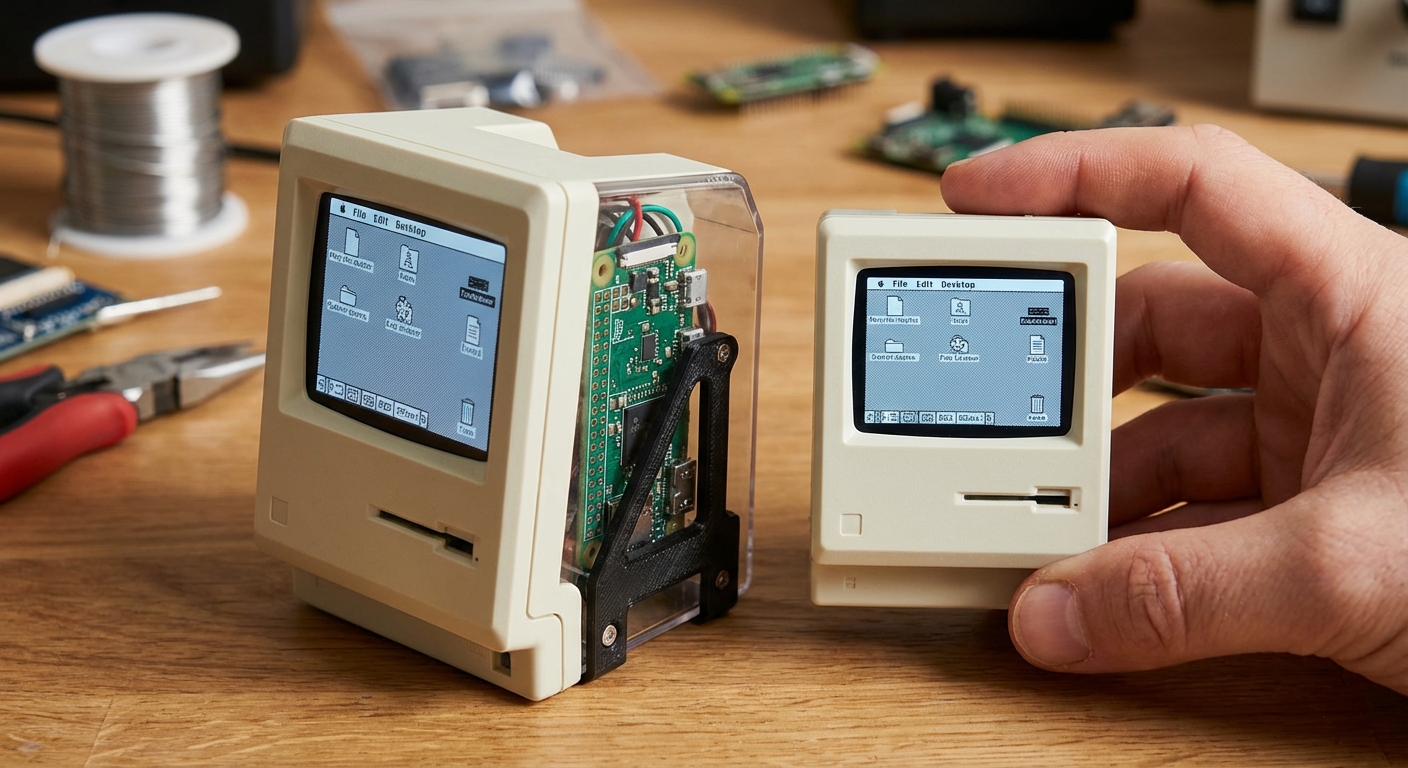

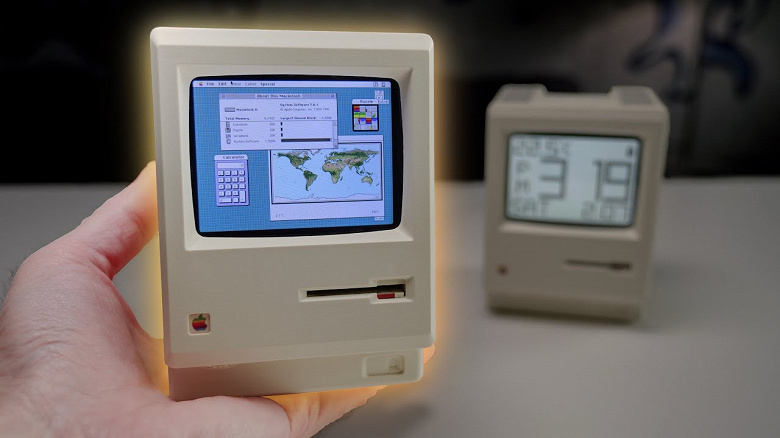
A YouTuber and vintage technology enthusiast from the channel This Does Not Compute has created a fully functional, palm-sized classic Mac by ingeniously combining a retro-style alarm clock with a Raspberry Pi. This project stands as a testament to the creativity thriving in the retro computing and DIY electronics communities, blending nostalgia with modern, accessible technology.
The Anatomy of a Miniature Marvel
The project began with a clever choice for the chassis: a Maclock alarm clock, which is designed to look like a miniature 1984 Macintosh. This provided the perfect aesthetic and just enough internal space for the project’s brain, a Raspberry Pi Zero W. The Raspberry Pi Zero W, known for its small size (65mm x 30mm), low power consumption, and $10 price point, is a popular choice for compact, embedded projects. It features a 1GHz single-core CPU, 512MB of RAM, and built-in Wi-Fi and Bluetooth, making it capable enough for classic computer emulation.
One of the initial hurdles was the display. The original alarm clock screen was not reusable, so a 2.8-inch Waveshare SVGA resolution (640×480) touchscreen was sourced to fit neatly within the Maclock’s case. To secure the new components, a custom 3D-printed bracket was designed, ensuring a clean and stable fit inside the chassis.
Software: Bringing a Classic Back to Life
On the software side, the project started with the standard Raspberry Pi OS. The core of the classic Mac experience is delivered through an emulator called Mini vMac, which is designed to run software for early Motorola 680×0-based Macintosh computers. However, getting the emulator to run smoothly on the Raspberry Pi Zero W’s hardware required some extra effort. Newer versions of Mini vMac proved too resource-intensive for the Pi Zero, forcing the creator to compile an older, more lightweight version from its source code to ensure stable performance. This customization is a common challenge in the retro computing scene, where hobbyists often need to tweak software to work within the constraints of modern, low-power hardware.
The Bigger Picture: A Trend in Nostalgia Tech
This miniature Mac is part of a growing trend of retro-inspired tech projects. Enthusiasts are using single-board computers like the Raspberry Pi to build everything from handheld retro gaming consoles to miniature versions of classic computers like the Commodore 64. These projects are fueled by a combination of nostalgia, the appeal of overcoming technical challenges, and the satisfaction of creating a unique, functional device. The accessibility of 3D printing and affordable electronics has empowered a new generation of makers to bring these creative ideas to life.
Future in Miniature: What’s Next?
As single-board computers continue to shrink in size while growing in power, the potential for even more ambitious miniature computing projects is vast. This trend not only provides a creative outlet for tech enthusiasts but also plays a role in preserving digital history in an interactive and engaging way. By reviving classic operating systems and software on modern hardware, these projects ensure that the pioneering spirit of early personal computing is not forgotten. The palm-sized Mac from This Does Not Compute is more than just a novelty; it’s a functional piece of art that celebrates the past while being firmly rooted in the technology of today.