


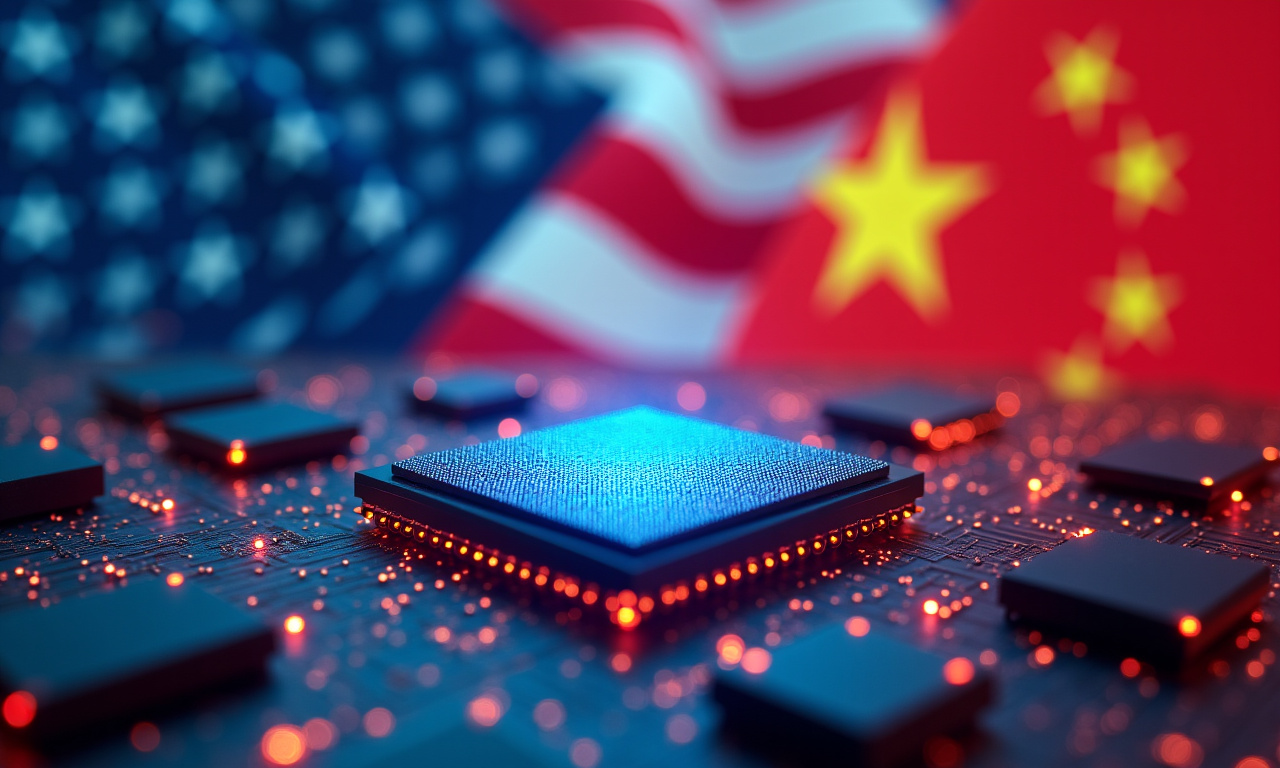

The United States government has issued annual export licenses to Samsung Electronics and SK hynix, permitting both companies to supply chip manufacturing equipment to their factories in China throughout 2026. This decision was reached just a day before the expiration of the previous licenses.

Previously, South Korean giants, along with TSMC, held the status of ‘validated end-user,’ which allowed their Chinese factories to acquire US-regulated equipment without needing separate licenses for each shipment. Now, this status is revoked, introducing a stricter regime of individual licensing.
China remains a crucial manufacturing hub for both Korean producers: Samsung operates a large NAND flash memory factory in Xi’an, while SK hynix owns a DRAM factory in Wuxi and a NAND plant in Dalian. Collectively, these facilities account for a significant share of global memory production. Given the sharp rise in memory prices due to the AI boom, the uninterrupted operation of these factories is critically important for the global market.
According to Reuters, the US has officially switched to an annual approval system. The new licenses for 2026 are meant to support current factory operations and maintenance rather than expansion, with the most advanced equipment, such as EUV lithography, still prohibited. As artificial intelligence technologies continue to expand rapidly, keeping up with this demand is more crucial than ever for Samsung and SK hynix, potentially prompting strategic investments and adjustments despite the tighter controls.
The geopolitical climate and trade tensions between the US and China continue to play a significant role in shaping technology transfer policies, influencing not only international relations but also impacting business strategies and global supply chains. Industry experts express concern over how these tensions might escalate or settle in the coming years, affecting long-term decisions and investments for these tech giants.