





Lunar Recession: How Climate Changes Influence the Moon’s Drift
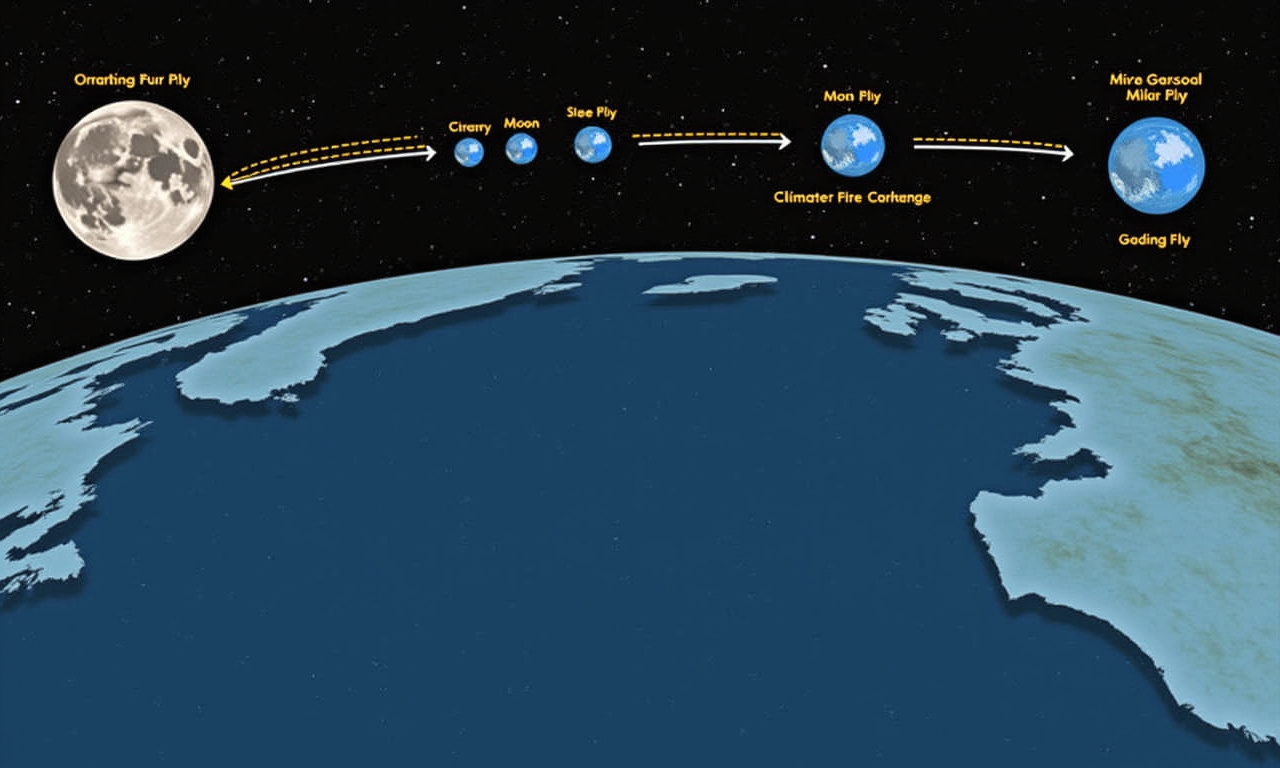
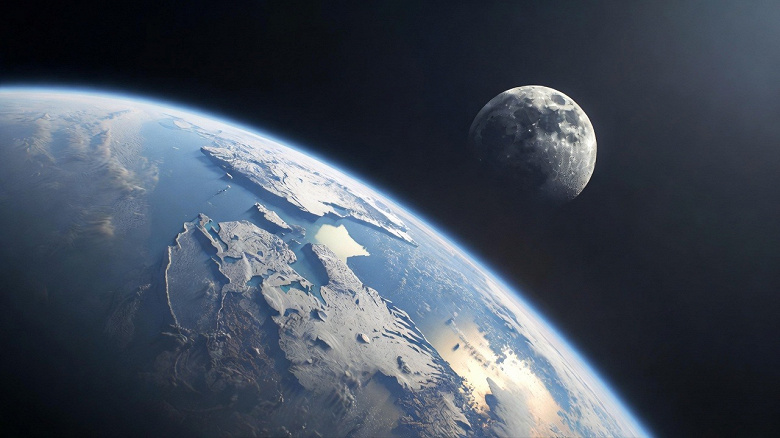
Scientists have discovered that climate change influences the rate at which the Moon is gradually moving away from Earth, a phenomenon known as lunar recession. Research indicates that the melting of polar ice caps and alterations in ocean structures are contributing to an increase in this rate by 1 mm per year. The current speed of lunar recession is 38.3 mm per year. This means every year, the Moon, now located around 239,000 miles from Earth, recedes by 38.3 mm. The researchers analyzed data on tidal friction, taking into account changes in sea level and ocean structure from 1900 to 2018. They found that about 30% of changes in lunar recession speed are due to sea level variation, while 70% are due to changes in ocean structure related to ice melting and freshwater inflow into the oceans.
To substantiate their findings, scientists also analyzed historical data on changes in day length derived from astronomical observations of lunar eclipses over the past 27 centuries. They identified a trend that cannot be explained solely by glacial isostatic adjustment and background tidal friction. Glacial isostatic adjustment is the process of the Earth’s crust rising after the removal of glacial loads. The researchers ruled out other potential causes, such as fluid movements in Earth’s core or atmospheric movements, concluding that this trend is linked to changes in tidal friction speed caused by climate change.
Implications for Future Space Navigation and Time Measurement
Despite its small magnitude, this discovery holds significant implications, particularly for space navigation and precise time measurement. Scientists emphasize the importance of curbing climate change, as failure to do so may lead to a significant increase in the lunar recession rate by the end of the 21st century.
In recent discussions, astronomers have also highlighted other contributing factors that may affect lunar trajectory, such as Earth’s rotation changes, providing a broader understanding beyond climate impacts. Additionally, technological advancements continue to refine how lunar movements are measured, promising more precise data for future studies.