






The inevitable rise in graphics card prices had been forecasted for late December to February. Even now, scanning price aggregators reveals no significant price surge those past weeks. Recently, GeForce RTX 5090 Founders Edition saw its price rise in the U.S. to $3700, while Europe shows little shift, with non-reference RTX 5090s available from 2800 EUR ($3114), though in October, they started around 2600 EUR ($2890).
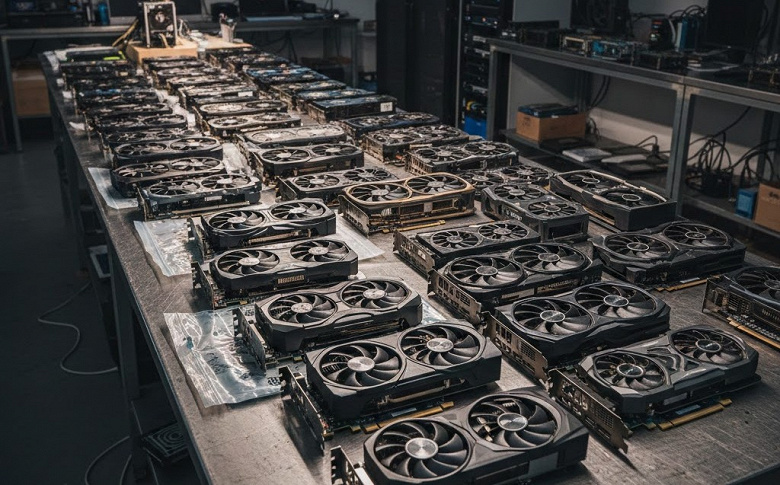
Within new-gen cards, the RTX 5070, most favored by consumers, remains priced from 540 EUR ($600), consistent over the months, with specific models even seeing further reductions. Meanwhile, the RTX 5060 Ti 16GB has shown a slight increase, starting now from 425 EUR ($473), stable over the past two-three months, but some variants hiked by 5-15 EUR ($6-$17) in recent days. Looking at the Radeon RX 9070 XT, prices begin around 630 EUR ($700), showing no substantial growth.
Latest Developments in the GPU Industry
As 2026 continues, significant advancements are shaping the GPU landscape. Notably, Nvidia’s recent unveiling of its new generational offerings during tech expos has set tongues wagging. The RTX 5090 boasts cutting-edge performance, heralding the next step in gaming and professional visualization.
Impacts on the Market and Consumers
The latest GPU price trends highlight several consumer impacts. Although higher price points may dissuade budget-conscious buyers, enthusiasts likely remain keen. Experts argue the long-term benefits of these powerful GPUs in delivering high performance computing and enhanced gaming experiences outweigh immediate costs. Nevertheless, market volatility suggests a cautious approach to purchasing decisions.