





According to new job postings by Tesla, the company plans to establish solar panel production in the United States with a capacity of 100 GW per year by the end of 2028, indirectly indicating the opening of a new factory. This bold initiative signals Tesla’s commitment to enhancing solar energy capabilities on a massive scale.
A few days ago, during a fourth-quarter conference, Elon Musk stated: “The potential of solar energy is underestimated. The best way to power data centers for AI is solar energy and batteries on Earth, as well as solar energy in space. This is why we will work towards achieving a production volume of 100 GW of solar cells per year, integrating the entire supply chain-from raw materials to finished solar panels.”
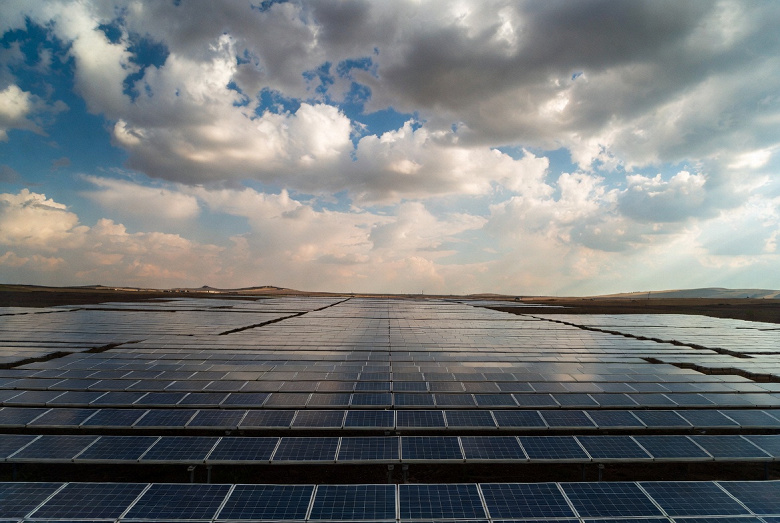
100 GW of solar energy is sufficient to supply electricity to approximately 20 million households. A remarkable leap in solar technology, this goal underscores Tesla’s efforts to reshape how energy is produced and consumed in the US.
Innovating for the Future
The job description highlights: “Tesla is seeking a process engineer for selecting and developing new equipment and processes for large-scale energy product manufacturing. You will contribute to the deployment of 100 GW solar energy production from raw materials in the USA by the end of 2028. You will make technical decisions on the next generation of manufacturing equipment and factory design for Tesla’s energy products.”
Previously, he stated that an area of 160 by 160 kilometers is enough to power the entire United States, which provides a fascinating perspective on how impactful such an initiative could become.
Aligning with National Goals
This ambitious move aligns with the Biden administration’s green energy objectives, aiming to significantly reduce carbon footprints and enhance sustainable energy landscapes. As the US continues to pursue eco-friendly energy solutions, Tesla’s innovative strides in solar technology contribute substantially to reaching national energy goals.
Challenges and Opportunities
Scaling production to 100 GW/year involves complex technical challenges, including the development of new manufacturing processes, supply chain integration, and ensuring material availability on such a large scale. Nonetheless, these efforts mark a crucial step towards a sustainable energy future, poised to usher in a new era of energy security and efficiency.