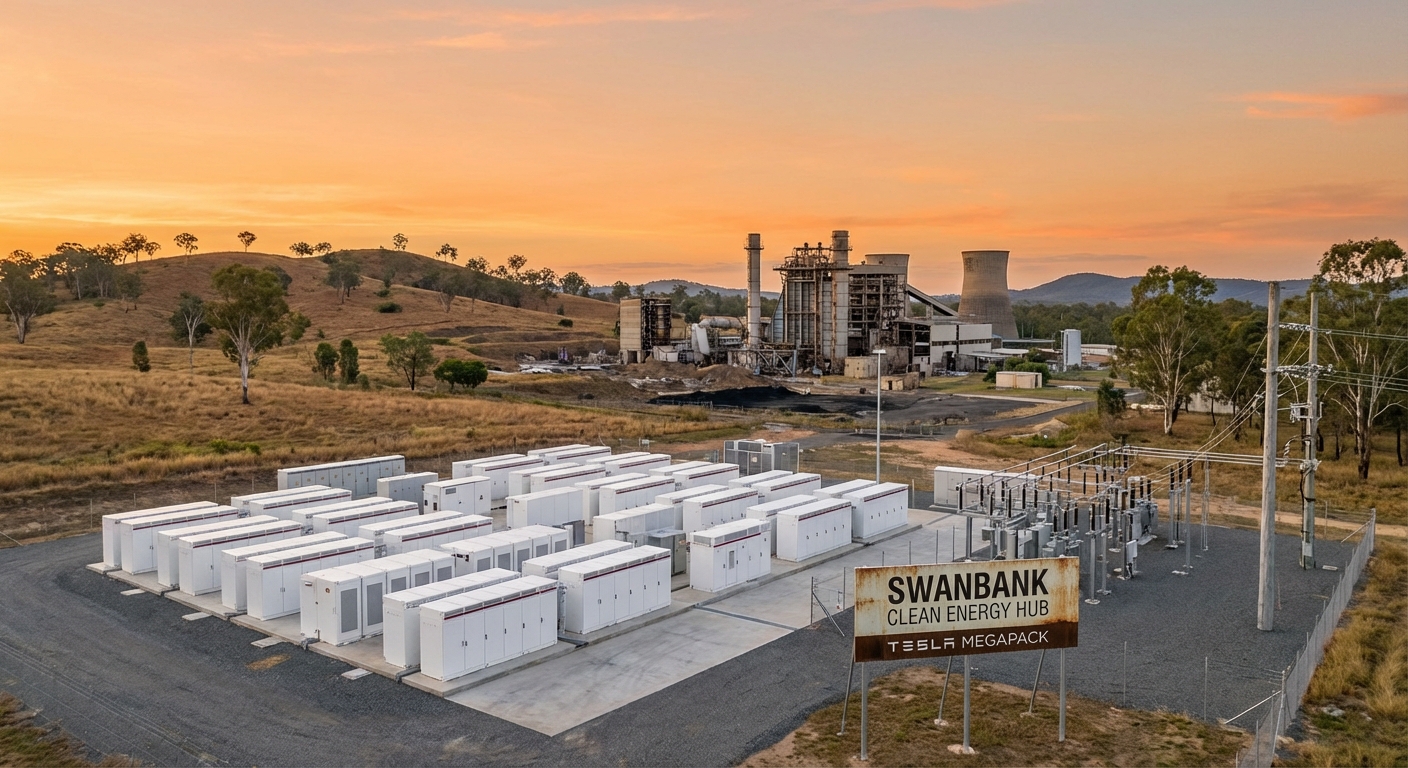

In a landmark move for Australia’s energy transition, the state-owned CleanCo Queensland has officially launched a 250 MW / 500 MWh battery energy storage system (BESS) powered by Tesla Megapacks. The facility is strategically located on the grounds of the former Swanbank coal-fired power station in Ipswich, approximately 45 km (28 miles) southwest of Brisbane. This project represents a significant step in transforming decommissioned fossil fuel infrastructure into a modern hub for clean energy, designed to bolster grid stability and support the integration of renewables.
From Coal Ash to Clean Energy Hub
The Swanbank site has a long history in Queensland’s energy sector, with the Swanbank B coal-fired station, commissioned in 1971, having been a key power provider before its decommissioning in 2012. The A$330 million ($214 million) battery project breathes new life into the site, repurposing it for a sustainable future. Funding was provided by the Queensland Renewable Energy and Hydrogen Jobs Fund, a state initiative aimed at accelerating the green economy. The project is a collaboration between CleanCo, Tesla, which supplied its cutting-edge Megapack solution, and Yurika, which managed the infrastructure and installation services. The new BESS is now integrated into the National Electricity Market (NEM), with testing and commissioning having commenced in October 2025.
Technical Prowess and Strategic Importance
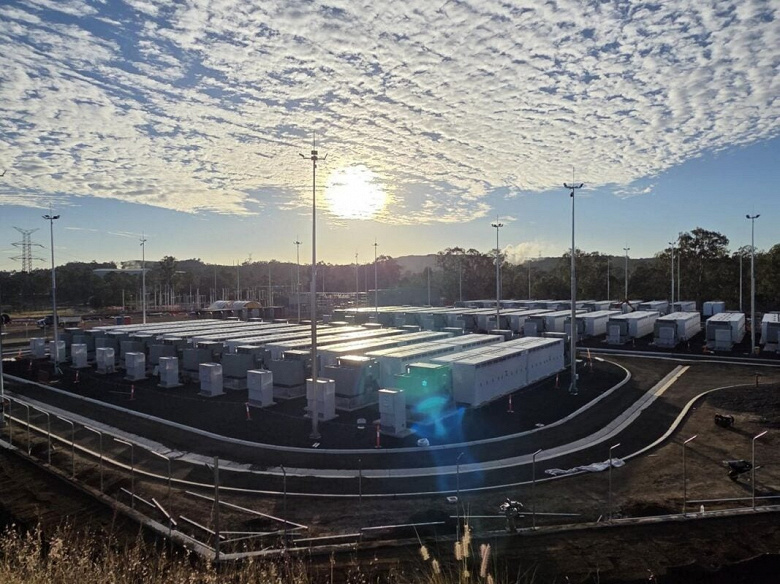
The Swanbank battery consists of 138 Tesla Megapack modules, which are container-sized, pre-assembled battery units known for their high energy density and integrated thermal management systems. This modular design allows for rapid deployment and scalability. The system can discharge its full 500 MWh capacity over two hours, providing crucial backup power during peak demand, especially in the evenings when solar generation drops off. By storing excess renewable energy generated during the day and releasing it when needed, the battery will help stabilize grid frequency, prevent power shortages, and ultimately support the addition of more wind and solar capacity to the network.
“The Swanbank Battery is a critical addition to CleanCo’s portfolio, providing greater flexibility to supply reliable, lower-emissions energy to our customers when it’s needed most,” stated CleanCo CEO Tom Metcalfe. “This project reflects the continued evolution of the Swanbank site, from coal to gas-fired stations and now battery storage.”
A Blueprint for the Future
The Swanbank project is a cornerstone of a broader vision to transform the entire precinct into a versatile Clean Energy Hub. CleanCo is exploring future developments for the site, including solar and wind generation, green hydrogen production, and additional energy storage capacity, leveraging the existing high-capacity grid connections. This strategy of co-locating new technologies at former fossil fuel sites is becoming a global trend, as it utilizes established infrastructure to reduce costs and accelerate project timelines.
This development aligns with Australia’s rapid growth in the energy storage sector. In 2025, the country became the world’s third-largest market for utility-scale batteries, trailing only China and the US. As Australia moves to decommission its aging coal fleet, the need for large-scale storage solutions like the Swanbank battery will only intensify, ensuring a reliable and resilient power grid for a future dominated by renewable energy.