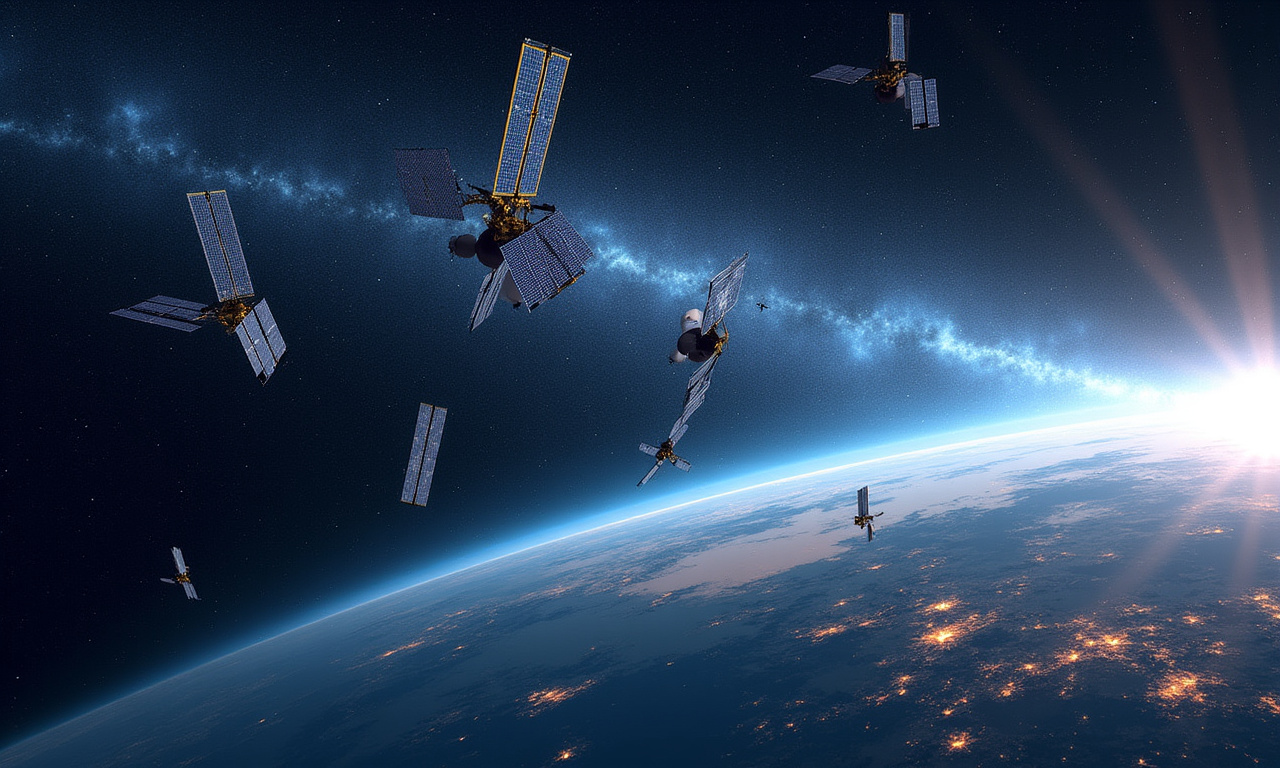





The Taiwan Space Agency (TASA) has announced its ambitious goal of launching a domestically developed rocket into low Earth orbit by 2034. This was stated during a committee session focused on educational and cultural development strategies, where the growth plan for aerospace technologies was discussed. TASA representatives are also evaluating the potential for establishing data processing centers in space. According to TASA director-general Wu Jung-shinn, one of the three private satellites included in the Formosat-8 payload is equipped with a graphics processor-a critical component for a data processing center. The company that developed the satellite is currently monitoring the equipment’s performance in the vacuum of space, amid high radiation and extreme temperature fluctuations. Initial experiment results are expected soon, which will be a vital factor for further assessment prospects.
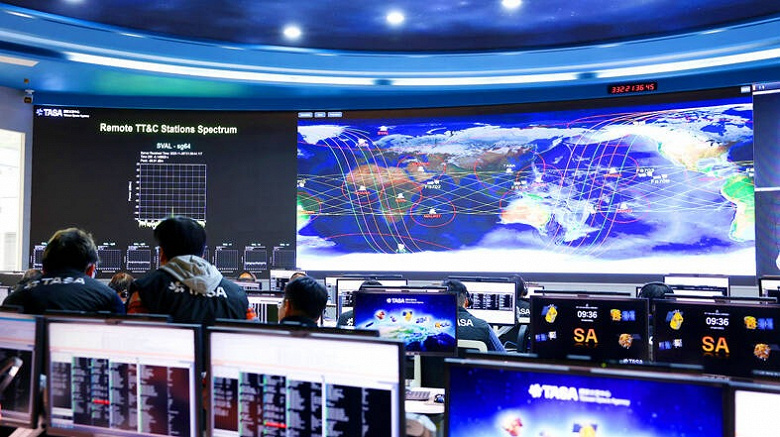
Wu Jung-shinn noted that TASA has launched a decade-long program to develop satellite payloads, which began in 2023. Within this scope, plans include creating Taiwan-made launch vehicles by 2034. The agency is working with 50 contractors engaged in the rocket supply chain. The most challenging aspect remains the development of liquid fuel rocket engines. Deputy Chair of the National Science and Technology Council (NSTC) Lin Faa-cheng emphasized that South Korea required 20 years and billions in US dollars to reach their current space industry level. Taiwan aims to accomplish its goals in a shorter timeframe and with lower costs by leveraging its strengths in ICT and precision engineering. Jean Kuo, a member of parliament, noted that the budget allocated for the third phase of the space program has reached 70 billion New Taiwan Dollars (approximately $2.2 billion USD). The successful launch of the first Formosat-8 satellite has confirmed the viability of the modular and lightweight platform.
TASA plans to support the private sector in advancing the international use of this platform. TASA is also involved in the Big 5G project, aimed at enhancing communication resilience in low Earth orbit. The project seeks to create a comprehensive ecosystem for the original design and production of satellite payloads designed for low orbit operations. Recent collaborations with international partners are focused on harnessing Taiwan’s ICT capabilities to develop sophisticated communication and data-handling technologies for space. By fostering these partnerships, TASA hopes to navigate the complex challenges presented by the global space race and accelerate its technological advancements.