


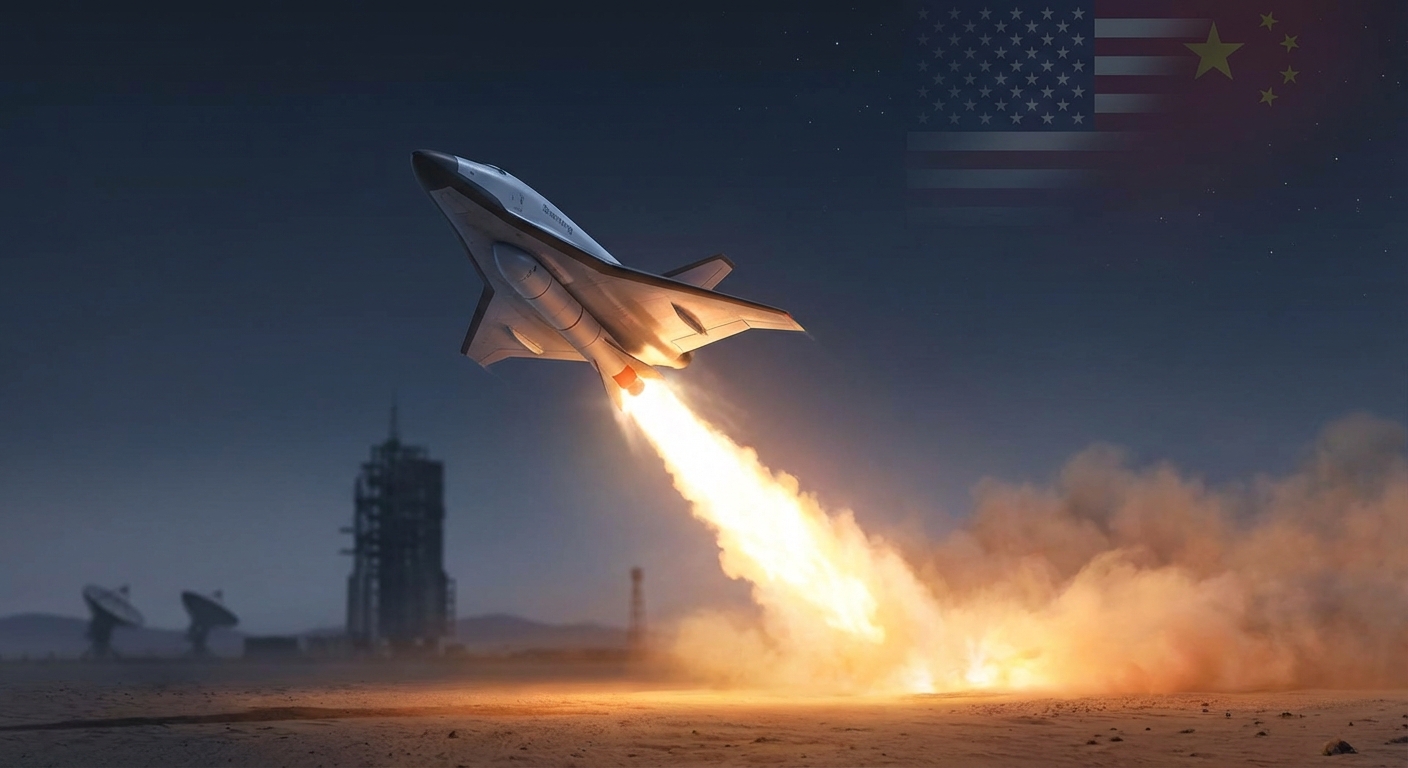




SpaceX Alters Satellite Strategy After Near Miss with Starlink
A group of Chinese researchers stated that a recent close encounter between a Chinese satellite and a Starlink device prompted SpaceX’s decision to lower the orbital altitude of a significant portion of its constellation. According to their data, on December 10, shortly after the rocket launch from northwest China, two satellites-American and Chinese-passed within approximately 200 meters of each other.
Three weeks later, SpaceX’s Vice President of Engineering, Michael Nichols, announced the company’s plans to lower 4,400 Starlink satellites from an altitude of about 550 km to 480 km to enhance space safety.
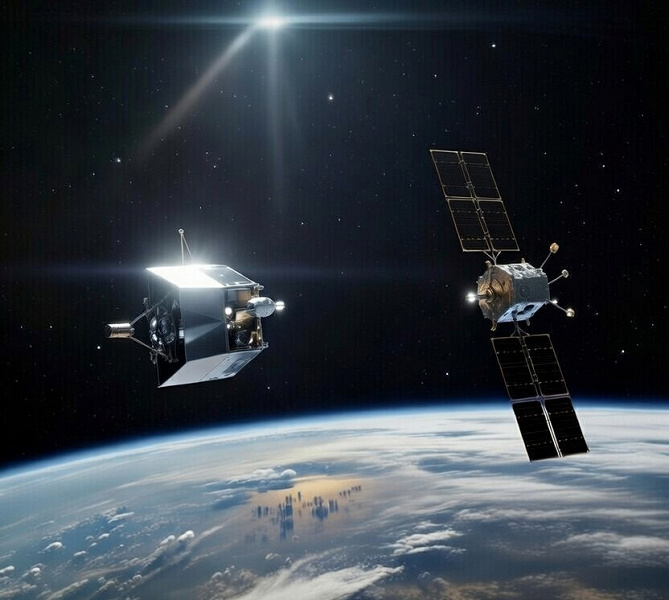
Reducing the orbits is expected to decrease the risk of collisions amid the rapid increase in satellite density in low-Earth orbit. However, as highlighted by Chinese researchers, this step has downsides: at about 485 km, satellites lose orbital altitude nearly three times faster than at 550 km, requiring more fuel for correction. Otherwise, there is an increased risk of premature deorbiting and burning up in the atmosphere.
Currently, there are about 15,000 satellites in low-Earth orbit, most of which belong to Starlink. The company already operates more than 9,000 devices and plans to expand the constellation to 34,400 satellites.
The Federal Communications Commission (FCC) has previously approved the additional launch of 7,500 next-generation satellites, increasing the total number of devices to over 19,000. Meanwhile, Amazon is preparing its large orbital systems with Project Kuiper, and China’s SpaceSail is also in development.
Competitors and Future Developments
The move by SpaceX has not gone unnoticed. With Amazon’s Project Kuiper set to launch thousands of satellites and SpaceSail gearing up in China, the competition in the field of low-Earth orbit satellites is intensifying. The FCC’s regulatory approval of even more satellite launches signals an evolving landscape, where satellite operators must balance technological innovation with the challenges of orbital congestion and sustainable practices.
These developments underscore the importance of international cooperation and the establishment of comprehensive regulations to manage the crowded skies effectively. The industry’s focus remains on maximizing utility while minimizing potential risks posed to both manned and unmanned spacecraft.