

Global internet traffic for Starlink in 2025 more than doubled, according to new data from Cloudflare, highlighting a dramatic spike in activity for SpaceX’s satellite network worldwide. This growth is driven by both the expansion of coverage and the rapid influx of new users. By the end of 2025, Starlink boasts approximately 8 million active subscribers across over 150 countries and territories. For comparison, the service’s user base in 2024 was estimated at about 4 million, essentially doubling in just one year.
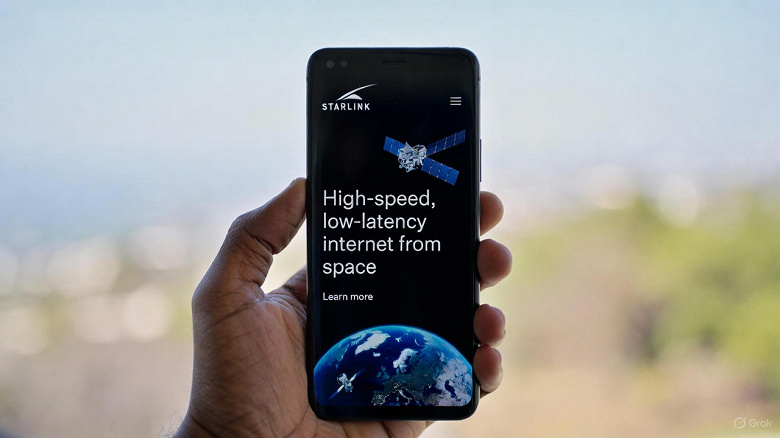
Beeline Kazakhstan recently conducted field tests of Starlink Direct to Cell technology, marking the first-ever direct satellite data transmission in Central Asia. Previously, Starlink’s commercial satellite mobile service launched in Canada, with operator Rogers transitioning the service from pilot mode and offering it as an additional means for subscribers to stay connected where traditional networks are unavailable. Last week, SpaceX achieved the 550th successful landing of the Falcon 9 first stage, further augmenting the Starlink constellation.
According to Forbes, Elon Musk became the first person in history with a net worth of $600 billion ($600 billion).
The Technological Leap and Market Opportunities
Starlink’s rapid expansion in 2025 reveals significant technological advancements and market potential. As the network scales, challenges such as orbital debris and spectrum management might arise, yet opportunities for remote areas and new industries to gain internet access continue to expand, potentially revolutionizing global connectivity.
Pioneering Connectivity in Central Asia
The successful implementation of Starlink Direct to Cell in Kazakhstan showcases the technology’s potential to reshape telecom landscapes, particularly in regions with limited infrastructure. As the technology matures, it’s expected to advance further in latency reduction and data handling efficiencies.