According to SpaceX, from 2024 to 2026, the company has driven an increase of $13 billion in gross economic output in the Starbase area in the Rio Grande Valley. The space giant has also paid over $350 million in indirect taxes used for schools, infrastructure, and local services, demonstrating its expansive impact on the community. 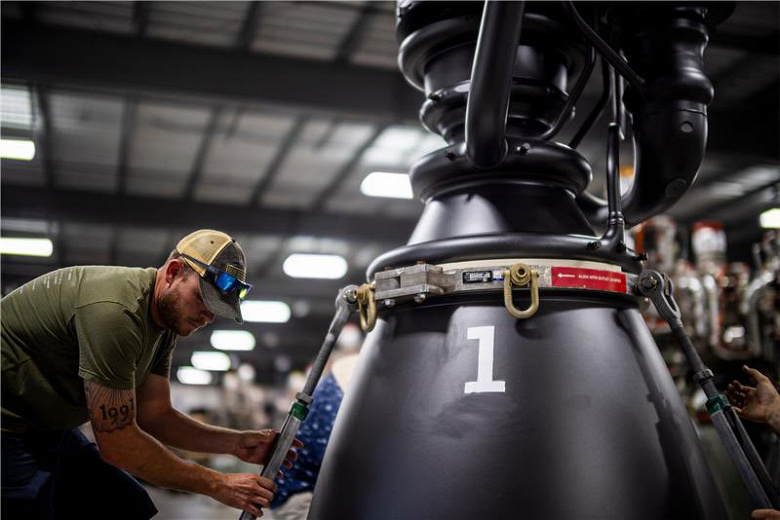

Elon Musk’s plans for Mars colonization have already gathered substantial financial backing: Starlink operates in 155 countries, with a user base exceeding 9 million people.
Currently, more than 4,000 SpaceX employees work in the region on a permanent basis, and about 70% of them are locals. By 2026, the company plans to double its workforce to approximately 8,000, with the overall economic impact covering around 24,000 jobs, including opportunities for specialists without a higher education. The relocation of SpaceX’s headquarters to the region promises long-term investments, workforce development, and partnerships in the aerospace sector.
Besides creating jobs, the company boosts tourism, advances high-tech manufacturing and engineering, improves transportation infrastructure, and participates in beach restoration and the provision of access to public areas, including Boca Chica Beach.
SpaceX has unveiled details about the Raptor 3, which company employee Dima Zenyuk called “the most advanced engine ever created.” This new iteration features an improved thrust-to-weight ratio, making it not only more powerful but also more efficient, adhering to SpaceX’s ambitious future lunar and Mars missions.