
Chinese chip manufacturer SpacemiT is collaborating with Canonical to integrate Ubuntu into computers powered by two of their processors. The first processor is called the SpacemiT K1, an eight-core RISC-V chip that has been available on the market for some time. Meanwhile, the SpacemiT K3 is a newer high-performance chip, one of the first to comply with the latest RVA23 standard. 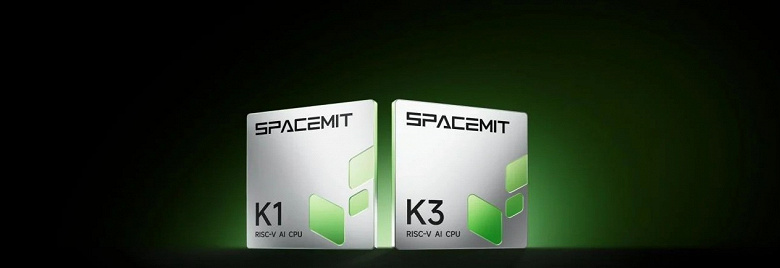
This compliance is significant because, starting with version Ubuntu 25.10, the OS only supports RISC-V processors compliant with this standard. According to Canonical, this restriction is due to the standard’s inclusion of essential hardware features for 64-bit processors, promoting a consistent interface between software and hardware. This includes a vector extension for AI, cryptography, compression, and other computationally intensive tasks, as well as hypervisor extensions for virtualization.
With the release of Ubuntu 26.04 LTS scheduled for April, the SpacemiT K3 could be among the few RISC-V chips supporting the new distribution version. The K3 processor also features eight cores clocked at 2.4 GHz and delivers up to 60 TOPS in AI tasks.
On the industry front, RISC-V has been gaining traction as an open-source alternative to proprietary architectures. Major tech players, including Qualcomm and Google, have invested in developing RISC-V compatible hardware, signaling a shift in semiconductor strategies.