


Chairman of the Chinese company Welion New Energy, specializing in solid-state batteries, Yu Huigen, announced a breakthrough in solid-state battery technology. Yu Huigen confirmed that under laboratory conditions, the company achieved an industry-leading energy density of 824 Wh/kg, with future plans to exceed 1000 Wh/kg. “Our laboratory tests demonstrated solid-state batteries with an energy density reaching 824 Wh/kg, and we expect to surpass the 1000 Wh/kg barrier in the long term,” said Yu on a recent episode of the TV program “Dialogue” on China’s state television channel CCTV.
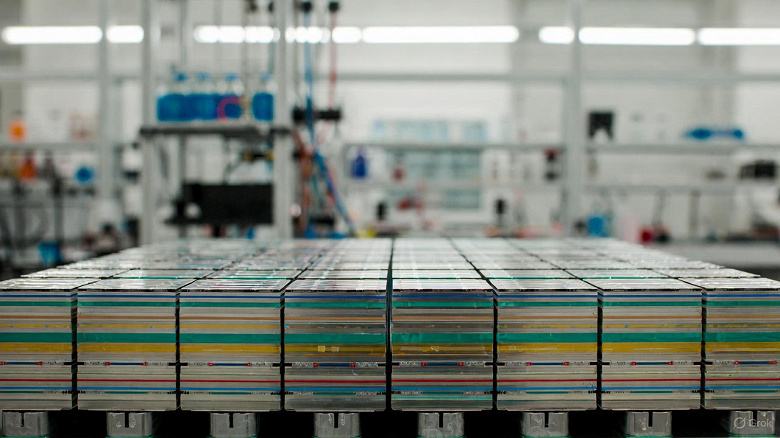
Despite the technical breakthrough, Yu acknowledged that cost factors, especially the expensive raw materials in sulfide-based electrolyte systems, remain a major obstacle to mass commercialization. “Initially, these batteries will be used in applications where safety is paramount and cost sensitivity is less of an issue,” Yu explained. He specifically highlighted humanoid robots as a promising application area for this technology at its initial stage.
Competition and Industry Trends
Since Yu’s announcement, the solid-state battery development race has intensified. Major players in the battery industry, such as QuantumScape and Solid Power, are aggressively pursuing similar breakthroughs, aiming for commercial partnerships and scalable production lines. While Welion New Energy’s recent achievement is noteworthy, the practicality of mass adoption hinges on overcoming material cost hurdles and ensuring the longevity and reliability of the batteries under diverse operational conditions.
Implications for Technology and Industry
The advent of higher energy density batteries has significant implications for several sectors. In the field of robotics, particularly for humanoid robots, the enhanced energy density translates into longer operational periods without recharging, potentially revolutionizing their everyday use in industries like healthcare and service robots. For electric vehicles, this technology promises extended range capabilities, which could accelerate the transition from internal combustion engines to electric powertrains.