




In Unexpected Encounter with Solar Plasma
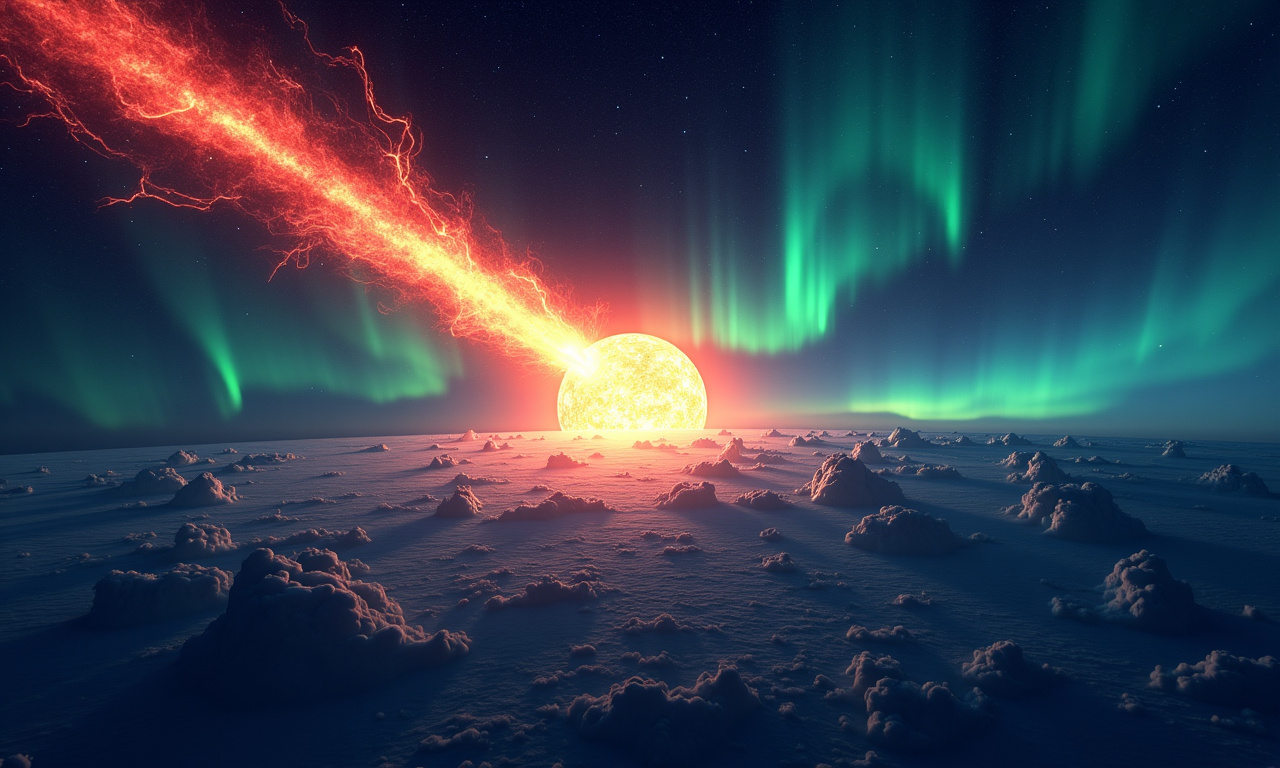
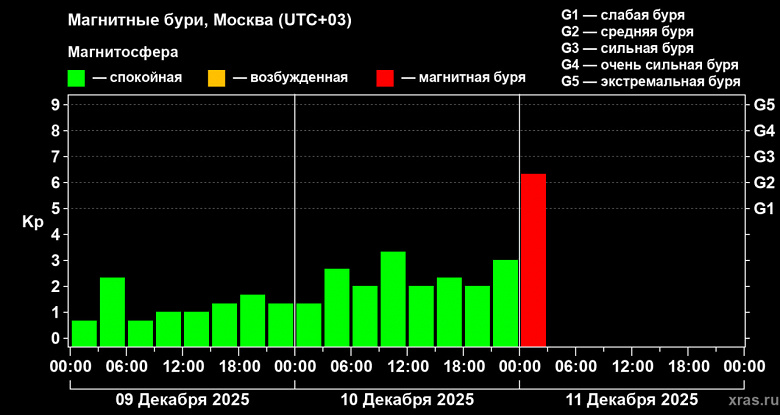
The Earth recently found itself under the influence of a plasma ejection that occurred on December 8 during an X1.1 class solar flare. This event had long remained unnoticed by specialists as models initially indicated that the cloud would miss the planet. The main focus of forecasts was on another broader ejection from an M8.1 level flare. However, it was the second, denser and faster plasma jet that unexpectedly reached Earth and struck the magnetosphere – and quite significantly.
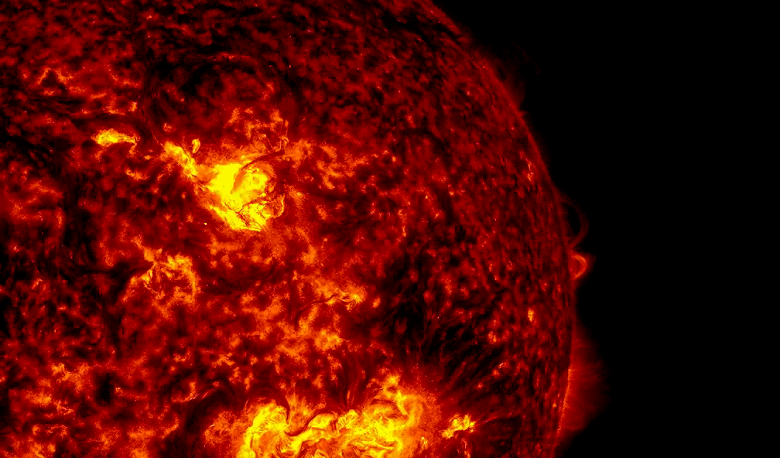
After the impact, there was a violent reaction in the magnetosphere: a bright polar oval formed. Instruments recorded disturbances that have already reached the level of a G2.3 magnetic storm. Scientists warn that with the current unstable solar activity, the situation is difficult to predict – December brings events that completely defy the usual patterns.
Scientific Community Expresses Concerns
Specialists note that the blow was glancing, so extreme storms are not expected. However, the very fact that the ejection was not reflected in models is cause for concern: predicting further flares and their consequences is becoming more difficult. Recent data suggests that solar activities are reaching unexpected levels, requiring enhanced monitoring and collaboration across global observatories. The auroras, caused by this CME impact, have been particularly vivid over parts of North America and Scandinavia, providing a rare treat for sky watchers amid concerns for technosphere impacts.