


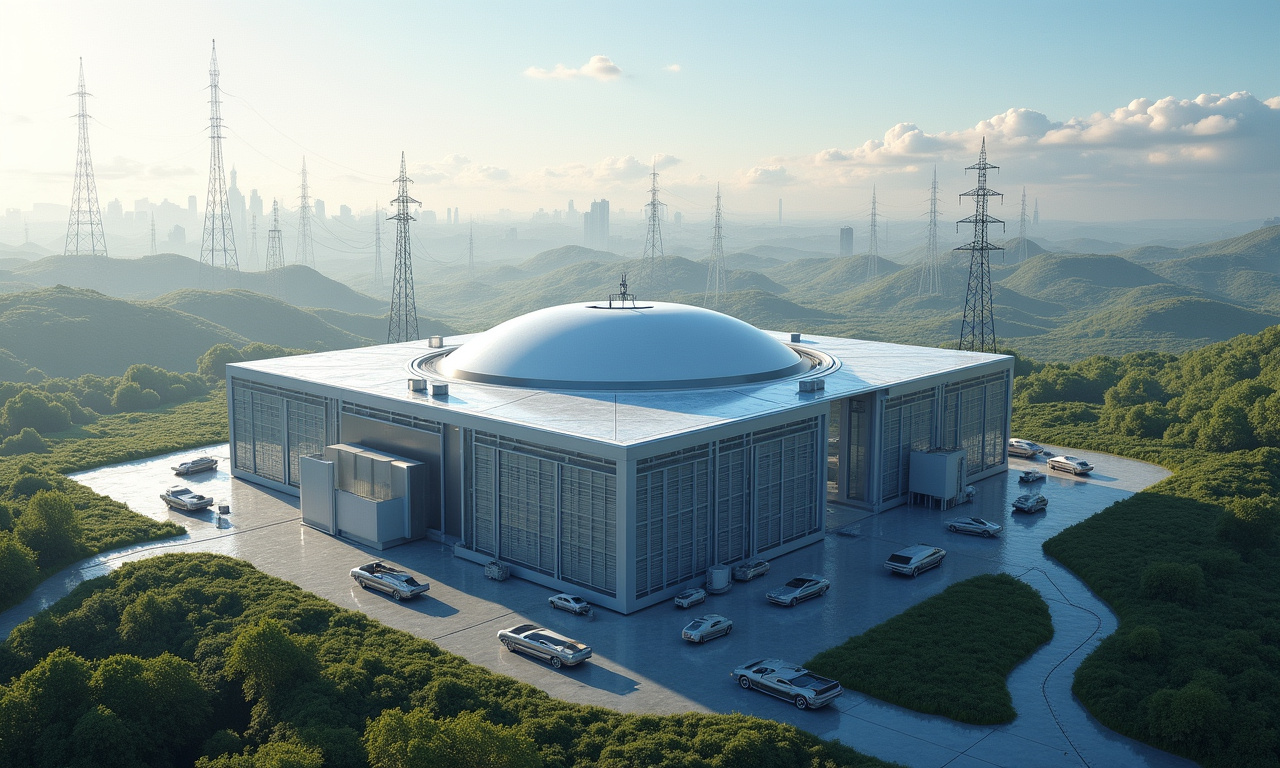

Last Energy, a company developing small modular reactors, has attracted $100 million in a Series C funding round. These compact nuclear power plants are expected to be mass-produced, which will reduce the cost of nuclear energy. Last Energy’s reactors are designed to generate 20 megawatts of electricity, enough to power approximately 15,000 homes.
The uniqueness of Last Energy lies in the use of a modernized reactor design created several decades ago. Initially, a pressurized water reactor was developed for NS Savannah, the world’s first nuclear-powered merchant ship. The ship’s powerplant capacity was about one-tenth of the planned commercial reactor of Last Energy. According to CEO Brett Kugelmass, the modernized design should produce 20 MW of electricity.
As a first step, Last Energy is constructing a 5 MW pilot reactor at a site leased from Texas A&M. The funding obtained will fully cover the expenses for the pilot project and help the company start delivering its first commercial products. Last Energy plans to launch the pilot reactor next year, with the 20 MW commercial installation scheduled for commissioning in 2028.
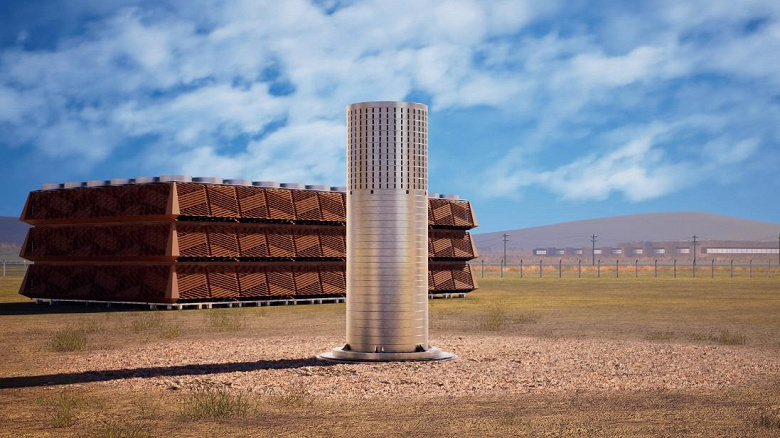
Source: Last Energy
The Last Energy reactor is not intended to be supplied on a service basis. Instead, the company plans to permanently encapsulate each active zone in a steel shell weighing 1,000 tons. Kugelmass estimates the metal’s cost at approximately $1 million. Reactors will be delivered to the site with a six-year uranium supply.
In addition to electrical connections and control, the steel wall is sealed. The heat from fission reactions heats the steel, and water flowing through pipes outside removes the heat to rotate a steam turbine. After the reactor’s operational life, Last Energy will leave it on site, and the steel chamber will serve as a waste container, eliminating the need for separate disposal. This approach is expected to reduce nuclear energy costs. Kugelmass did not specify a price but noted that in other industries, prices halve with each tenfold increase in production.
“I don’t think nuclear power will be that good because there’s always some additional fixed costs associated with special regulations, but it’s the kind of trend that will be noticeable. We don’t think in units and pairs; we think in tens of thousands,” he said.
Recent developments in the small modular reactors market reflect a growing interest globally. Companies like NuScale and Terrestrial Energy are advancing similar technologies with strategic partnerships and regulatory approvals expected by various national governments. The global market projections indicate a significant rise in demand for SMRs, with expected accelerated adoption due to their scalable and flexible nature, suited for both corporate and regional power supply needs. This shift towards smaller, modular solutions is seen not only as a step towards clean energy but also a strategic move to meet burgeoning energy demands while ensuring energy security.