



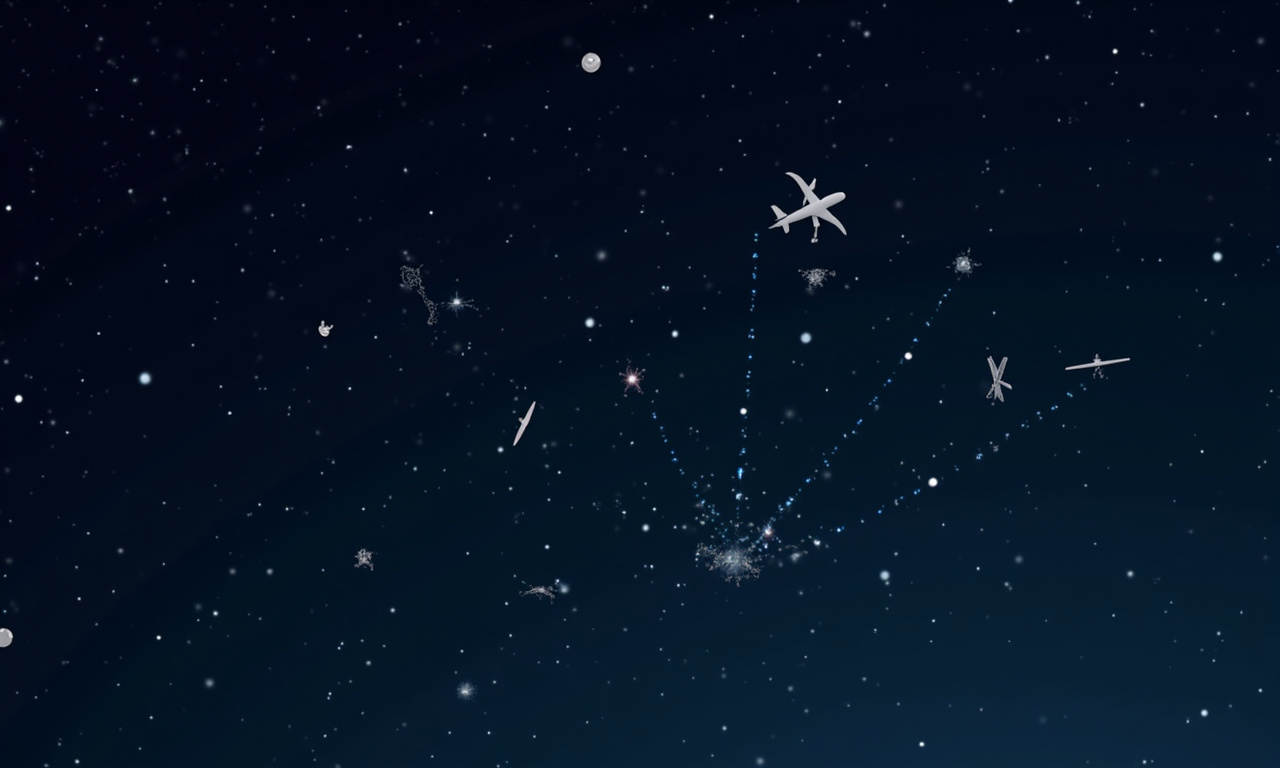

Experts are warning of the mounting danger posed by space debris to aircraft, as the proliferation of satellite constellations and general space activity results in more defunct rocket stages, non-operational satellites, and other fragments re-entering the atmosphere. A study published by the University of British Columbia in early 2025 indicates a 26% probability that space debris will pass through busy airspace within the next year. Furthermore, a 2020 study estimated a 1 in 1000 chance of a commercial flight colliding with falling debris by 2030.
Benjamin Virgili Bastida, a space debris systems engineer at the European Space Agency (ESA), highlights that even small space debris particles can pose a danger to airplanes, comparable to the risk of flying through volcanic ash. Virgili Bastida and his colleagues published a paper discussing the challenges involved in decision-making regarding airspace closure due to falling space debris.

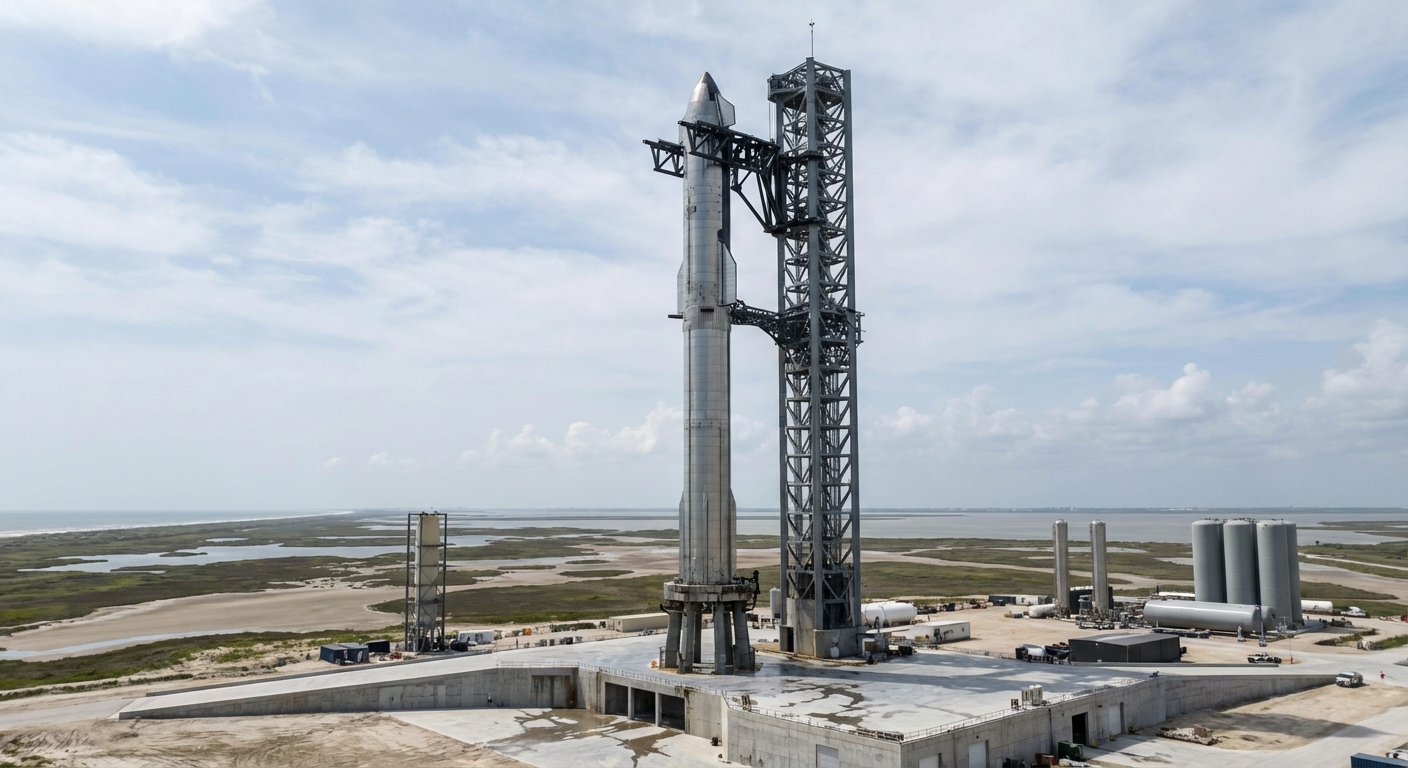
One of the most notable incidents involving space debris was the uncontrolled re-entry of the main stage of China’s Long March 5B rocket in November 2022. Its trajectory passed over Spain, leading to airspace closures. This incident underscored the potential danger and the need for more precise warnings.
To enhance forecast accuracy and mitigate risks, it is crucial to: limit the amount of debris reaching flight altitudes (9144–12192 meters), accurately predict the timing and location of object re-entry, and coordinate actions between space agencies and air traffic controllers.
ESA plans to launch the DRACO mission (Destructive Re-entry Assessment Container Objective) in late 2027. This mission aims to measure the destruction process of a small satellite as it enters the atmosphere. The capsule will be equipped with 200 sensors to record temperature and the timing of the destruction of various components.
Virgili Bastida emphasizes the importance of collaboration between space agencies, authorities, and air traffic controllers for developing standards and criteria to determine when airspace should be closed due to falling space debris. He notes that the likelihood of being hit by space debris is extremely low but is increasing, and efforts to mitigate risks must continue.
In 2026, efforts have been ramped up as international collaborations, including new research initiatives and agreements by multiple space agencies, strive to address this growing concern. Notably, technologies are being explored to better track debris and potentially deflect or safely de-orbit larger pieces.