



The network of distributors associated with Samsung has started to sharply increase memory prices-by as much as 80%. A document allegedly issued by an authorized Samsung distributor has surfaced, stating that “prices for all Samsung memory products are increasing by up to 80%.” This hike is reportedly effective immediately. While there is no official confirmation of this information yet, the source of the leak is said to be an employee from DS Giheung-the campus of Samsung Electronics’ Device Solutions division in South Korea. This adds credibility to the rumors, considering the key memory developments and production are concentrated there.
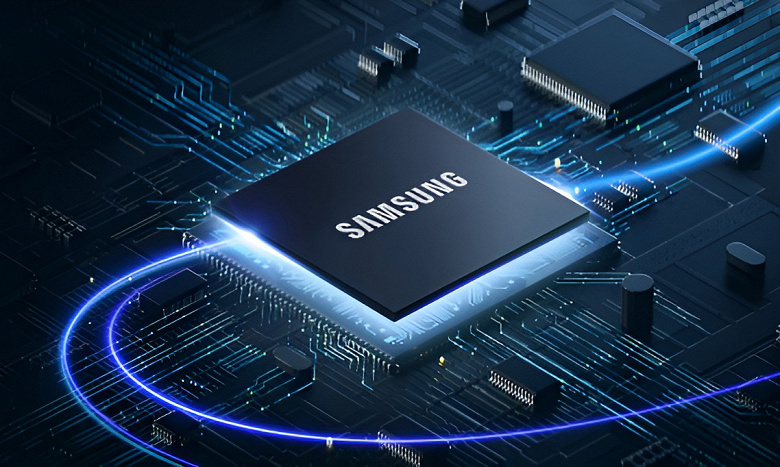
In 2026, it’s reported that Samsung plans to increase DRAM production by only about 5%, despite the sharp rise in demand and increasingly frequent supply shortages. This restrained strategy may be linked to fears of future overproduction-especially after the frenzy around AI and high-speed HBM memory stops growing. However, analysts believe pricing policy also plays a role. Samsung, SK hynix, and Micron, which control a major share of the global memory market, are showing unusual caution in expanding production, creating conditions for price growth, essentially driving price pressure on the market.
The shortage affects not only DRAM. It was previously reported that Samsung and SK hynix are considering reducing NAND memory production, as DRAM production is currently significantly more profitable, and resources are being redirected to this segment. According to analytical company TrendForce, the combined volume of the memory market could reach $551.6 billion in 2026, and grow to a record $842.7 billion in 2027. Should the price surge be confirmed, the market may enter a new phase where memory becomes once again one of the fastest rising in price components of electronics-from smartphones and PCs to servers and AI infrastructure.
Adding to the urgency of the situation, recent market evaluations indicate that demand from sectors such as AI, cloud computing, and data centers is pushing the need for advanced memory solutions further. Meanwhile, these companies are potentially capitalizing on the price elasticity of demand, hoping to sustain profitability margins in a volatile economic environment. Consumers and businesses alike are bracing for potential impacts on device pricing, which could ripple through various tech-dependent industries.