





Tech blogger JerryRigEverything got his hands on the new foldable smartphone, the Samsung Galaxy TriFold, to subject it to his standard set of tests. Let’s start with the internal screen. Like all foldable models, its screen is protected by a plastic layer – or rather, a very thin protective glass on which a dense film is always glued. Plastic scratches easily, and the TriFold is no exception.
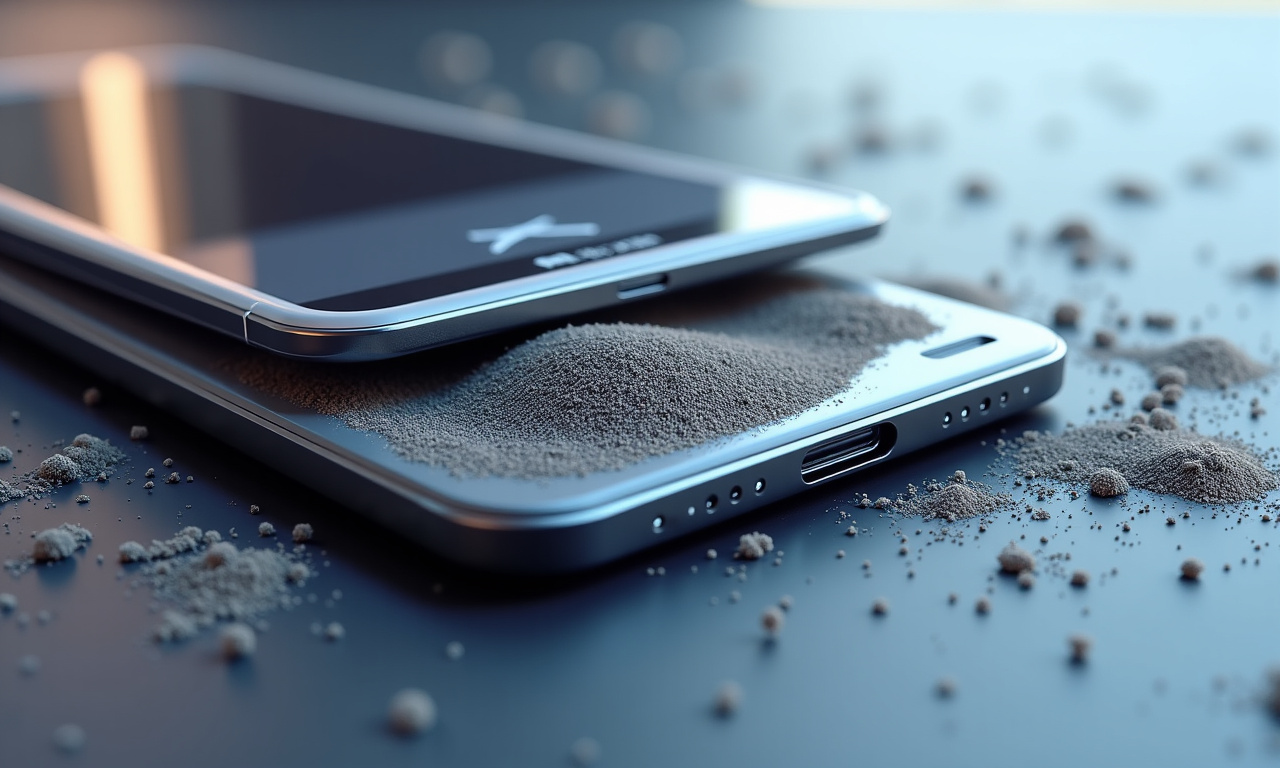
The sand test reveals that while sand does not immediately render the device useless, it disrupts the hinges. However, a bit of shaking helps the hinges function normally again, although such handling likely shortens their lifespan significantly. When it comes to the bend test, it was expected that the TriFold would not fare well. Its large screen housed in a thin body with two hinges presents too many weak points.
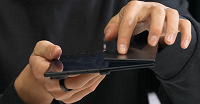
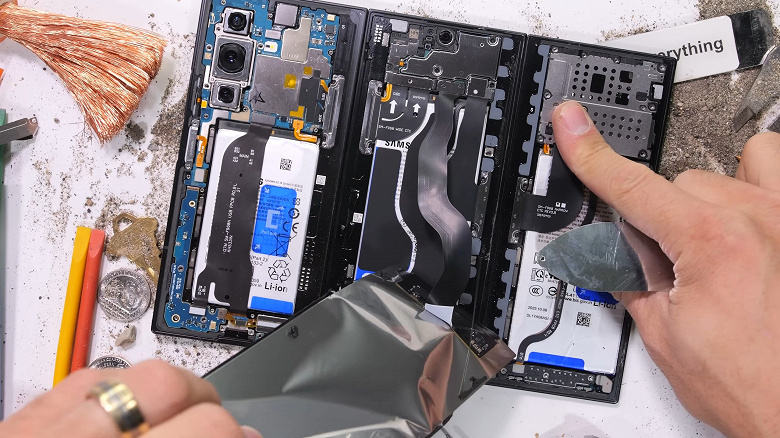
The video illustrates that considerable force is needed, which means that care is essential with such a device. The blogger also disassembled the smartphone, allowing us to peek under the covers. For example, there’s a battery pack in each of the parts.
Recent reviews highlight that while the Samsung Galaxy TriFold boasts a sleek design and innovative folding mechanism, critics have pointed out its vulnerability to everyday use wear and tear compared to the likes of the Huawei Mate X3 or the Oppo Find N3. These competitors offer a slightly more robust build, which could sway durability-minded consumers.
Consumer feedback varies, with some praising the device for its advanced multitasking capabilities, while others express concern over the durability issues observed in stress tests. As foldable technology rapidly evolves, prospective buyers may expect future iterations to tackle these structural weaknesses.