



The Samsung model with the number SM-S9480 appeared in the database of the China Quality Certification Centre (3C), which, according to information from the GSMA IMEI database, corresponds to the Samsung Galaxy S26 Ultra. Initial certification data first appeared back in September, when the device was listed as a 5G smartphone supporting wired charging up to 45W.
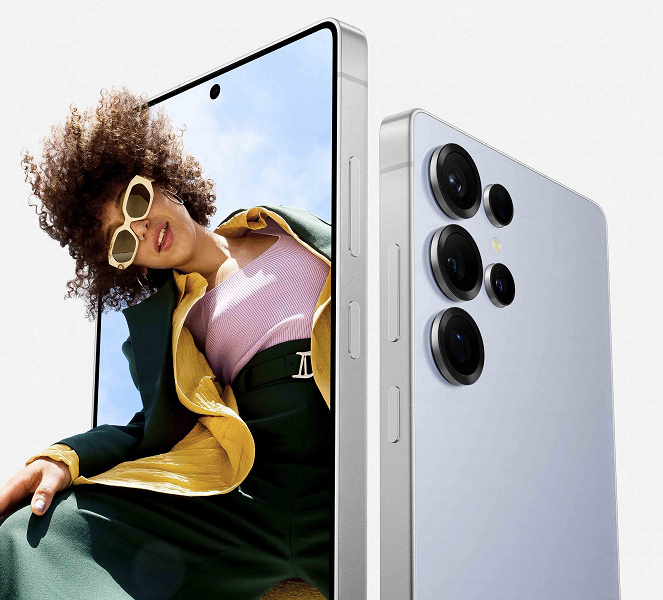
After the certificate update on December 11, the specifications became more intriguing. Now, the Galaxy S26 Ultra is certified to support 60-watt wired charging (20V 3A). In other words, rumors of this model’s support for 60-watt charging have been confirmed.
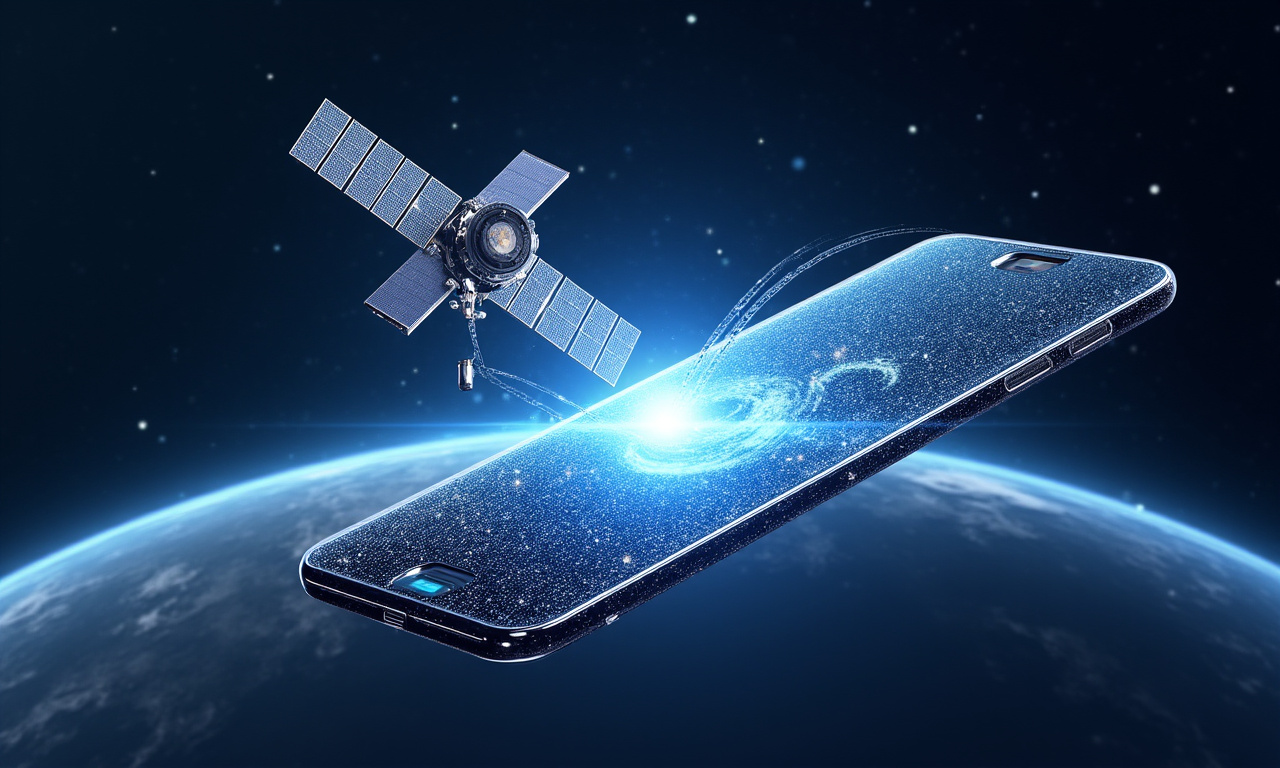
What’s equally significant is the new category of the device. In the product description field, it is no longer listed as a “5G Digital Mobile Phone.” It has been given the status of a “Satellite Mobile Terminal,” confirming the presence of satellite communication in the Chinese version. This feature will enable users to send coordinates or short messages during emergencies when there is no mobile network coverage.
Currently, satellite communications in Chinese versions of Samsung smartphones are supported only by the Galaxy S25 Ultra, Galaxy Z Fold7, and W26. The standard Galaxy S25 and S25 Plus in Chinese specification do not have this feature.
Expanding Horizons with Satellite Technology
The introduction of satellite communication in the Galaxy S26 Ultra marks a significant step forward in smartphone technology. This shift not only enhances emergency communication capabilities but also signifies a potential trend towards more robust connectivity solutions in mobile devices.
With the integration of satellite technology, Samsung positions itself as a leader in offering solutions for consumers who require seamless communication in remote areas. This feature could potentially redefine connectivity standards for future smartphones, urging competitors to explore similar enhancements.
Charging Efficiency and Future Directions
The upgrade to 60W charging in the Galaxy S26 Ultra is yet another leap forward, offering faster and more efficient power solutions. Compared to previous power capabilities, this technology cuts down charging times significantly, providing users with more convenience and reliability. As consumer demand for efficient battery solutions grows, Samsung’s move could set a new standard, especially in segments where quick recharging is essential.