





The startup, RetroBox, is on the verge of releasing a dream gadget for children of the 1990s – a hybrid device that combines a television with a VCR. This gadget allows you to view VHS tapes and connect old gaming consoles without adapters, offering a full suite of connectors: S-Video, component, coaxial, and the classic RCA jacks. Additionally, HDMI is included.
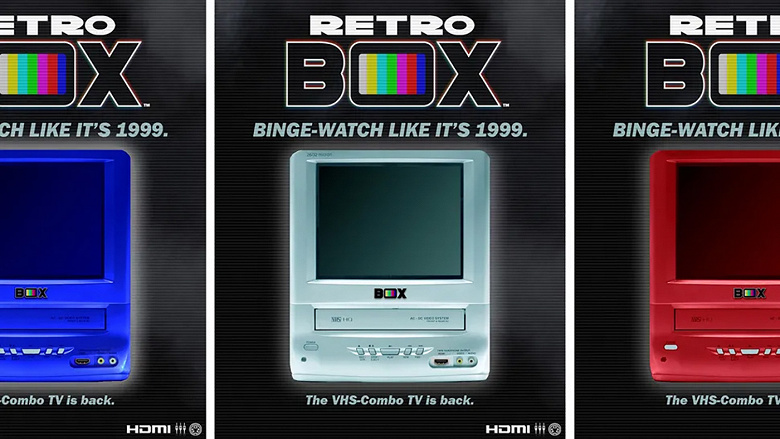
However, hardcore fans of retro gaming may face disappointment: despite its vintage design, the RetroBox lacks a cathode-ray tube (CRT); instead, a modern flat matrix with software emulation of the old image is used. The developers explain this choice by noting that genuine CRTs are too fragile, heavy, and complicated to produce. The device supports resolutions of 240p and 480i in a 4:3 format. The pre-order price starts at $400.
In recent years, there’s been a notable resurgence in retro gaming hardware, driven by nostalgia and the desire for authentic vintage experiences. Devices like RetroBox tap into this trend, offering a fusion of old and new technology. Consumers have shown increasing interest in products that bring back the tactile and visual feel of the 80s and 90s, an era marked by the rise of home video gaming and VHS rentals.
VHS nostalgia has seen a revival across various media, catering to older audiences longing for the simpler technology of their youth as well as younger ones discovering retro aesthetics for the first time. This has led not only to gadgets like RetroBox but also to cultural references in movies, TV shows, and even modern tech items styled in iconic 90s designs.
Furthermore, major tech giants have begun to notice this growing market. Companies known for their cutting-edge technology are quietly entering the retro scene, seeking to create products that satisfy this blend of nostalgia and modern-day functionality. RetroBox thus positions itself in a competitive yet thriving market, fully equipped to engage enthusiasts eager to revisit their childhood pastimes.