



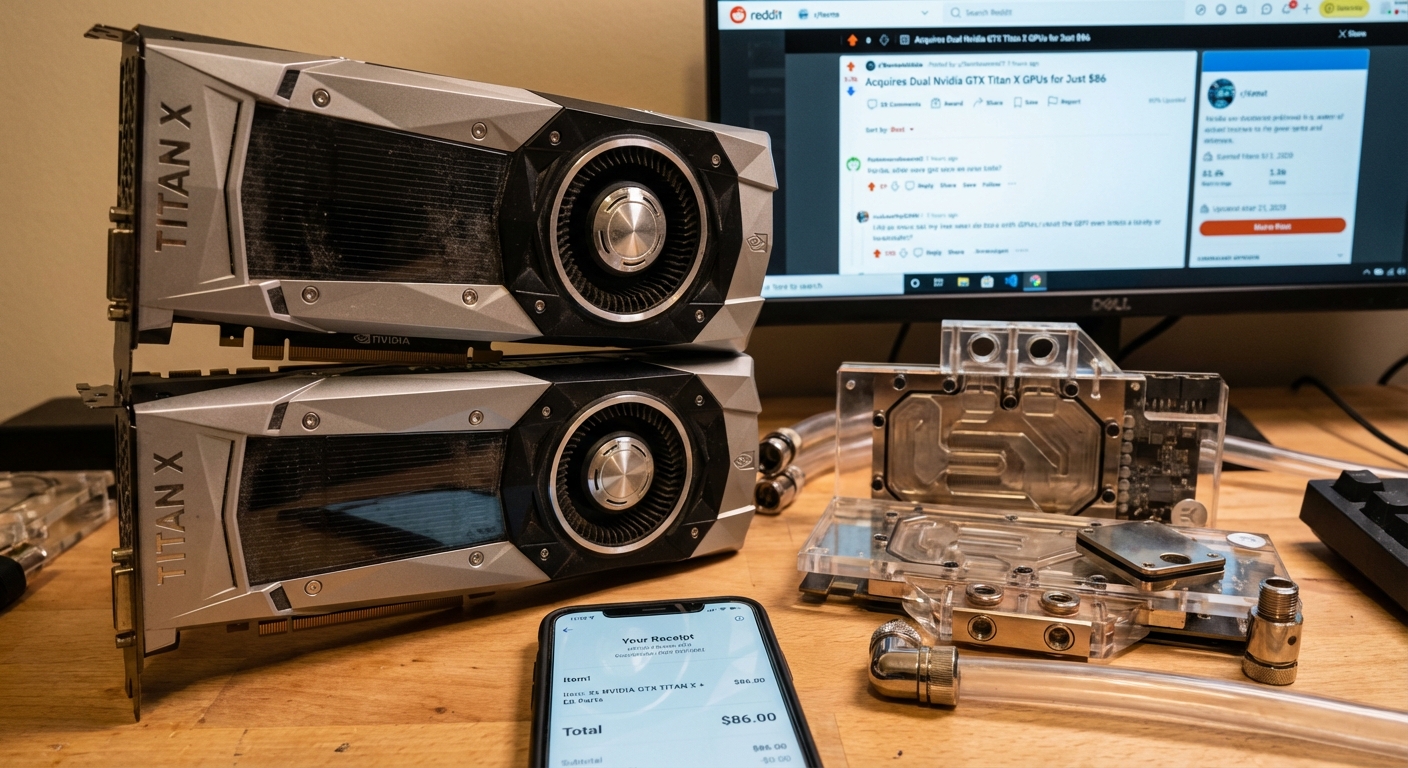

In a remarkable deal highlighting the shifting dynamics of the used hardware market, Reddit user Syft694 shared an exceptionally profitable purchase. Amidst what has been a volatile period for graphics card availability and pricing, they managed to acquire two Nvidia GTX Titan X (Maxwell generation) GPUs for a mere $86. To put this in perspective, a single one of these cards was priced at $1,000 at its launch. The deal was sweetened further with the inclusion of EK water-cooling components.
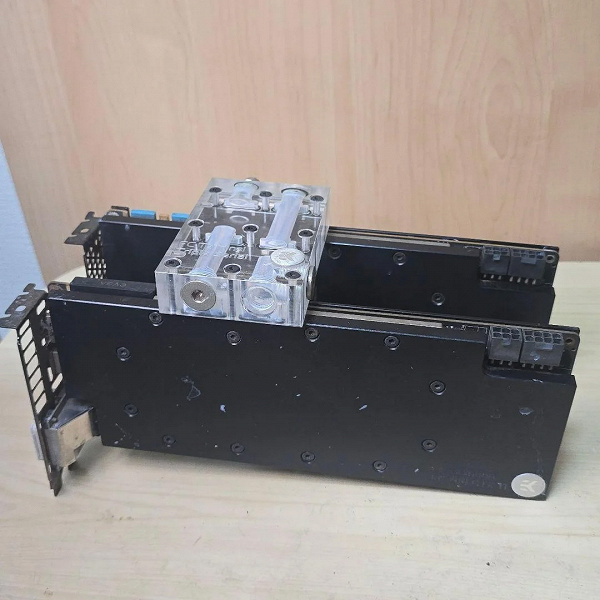
For the buyer, this transaction represents a massive leap in performance, as they intend to replace their current GeForce GTX 1650. A single Titan X (Maxwell) offers performance comparable to a GeForce GTX 1070, making the upgrade highly advantageous, especially in the current economic climate.
A Look Back at a Gaming Behemoth
While the decade-old Maxwell architecture lacks support for modern technologies like ray tracing and DLSS, its raw performance is still more than sufficient for a comfortable gaming experience in classic titles. The Titan X was a flagship card of its era, boasting 12GB of GDDR5 VRAM, a specification that remains relevant even for some of today’s games. Its power in rasterization makes it a formidable card for older games that do not rely on newer graphical features.
The SLI Gamble in the Modern Era
The prospect of running these two cards in SLI (Scalable Link Interface) is particularly intriguing for retro gaming enthusiasts. When supported, an SLI configuration can theoretically offer a significant performance boost. However, the landscape for multi-GPU setups has changed drastically. Support for SLI from both game developers and Nvidia has significantly dwindled over the years, making it largely irrelevant for modern gaming. Most new titles built on DirectX 12 and Vulkan APIs do not support SLI, meaning the second card would likely go unused. Thus, the dual-card setup will be most effective for older titles from the era when SLI was actively supported.
Market Context and Future Perspective
This purchase serves as a testament to the potential value hidden in the second-hand market for PC components. While the GPU market has seen periods of extreme shortages and inflated prices, older high-end hardware can now be found at a fraction of its original cost. For budget-conscious gamers who understand the limitations-such as the lack of modern features and potentially higher power consumption-these legacy flagship cards can offer an unbeatable price-to-performance ratio for playing a vast library of classic games. This deal, while exceptionally lucky, underscores a viable path for powerful, low-cost PC gaming.