







Sometimes, using biodegradable materials causes more issues than benefits. As reported by The Telegraph, a British internet provider lost an opportunity to secure a significant deal because rats liked its cables a bit too much. Specifically, it wasn’t the cables themselves but their sheathings, made from those very biodegradable materials. Among others, the composition included soy- and corn-based materials, which appealed to the rodents. 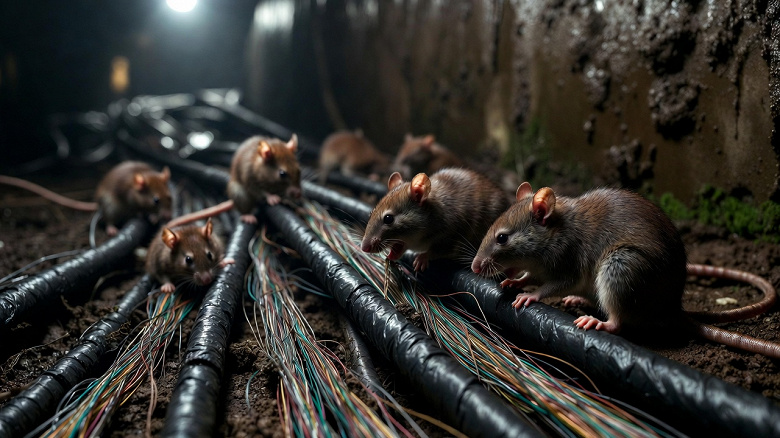 Created by Grok
The discussion centers around the British company G.Network, primarily operating in London. The company had massive debts (over $410 million) with only 25,000 paying subscribers. Community Fibre was considering acquiring these assets but eventually abandoned the idea after discovering severe rodent-induced cable damage.
This mishap led G.Network under external management, equivalent to bankruptcy.
Impact of Biodegradable Materials in Technology
The use of biodegradable materials in technology, like soy- and corn-based sheaths, highlights a growing trend toward sustainability. However, their attractiveness to rodents presents a significant obstacle. Experts note that while such materials often fulfill environmental goals, their vulnerability significantly impacts infrastructure reliability, leading to economic disadvantages during crucial business negotiations. Companies are now investing in research to develop more resilient alternatives that maintain environmental benefits without compromising structural integrity.
G.Network’s Journey Under External Management
Since transitioning into external management in early 2026, G.Network has undergone operational audits to restructure its business model. The emphasis lies in minimizing infrastructural vulnerabilities and developing better financial strategies to manage debt. Potential investors are exploring opportunities to inject capital into the company with plans to broaden its subscriber base and improve service reliability. Ongoing talks include partnerships with technology firms to enhance cable durability and reduce future risks.