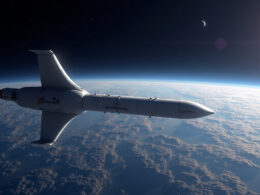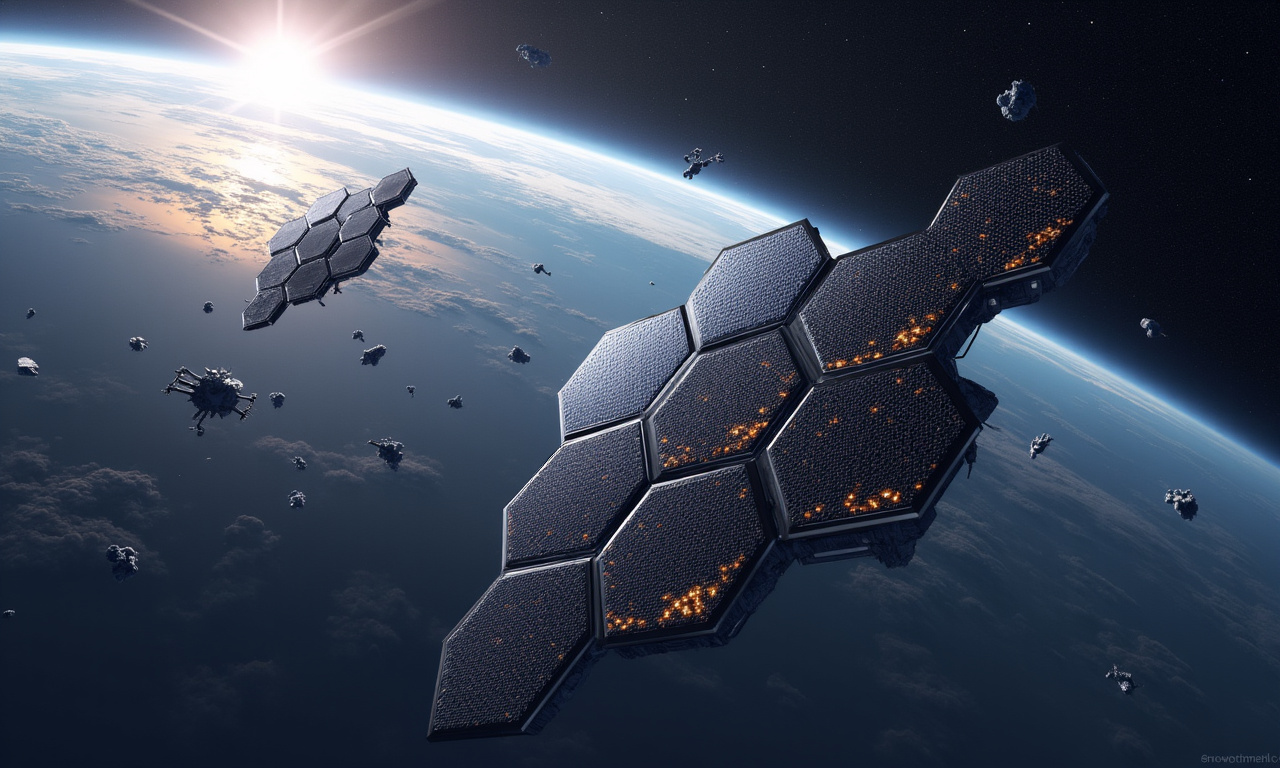

The Space Armor protective tiles, developed by Atomic-6, are set to journey into space for trial runs against space debris collisions. The inaugural flight of the Space Armor satellite protection system is scheduled for October during the SpaceX Transporter-18 mission. The aim is to test its efficacy in safeguarding the Starburst-1 satellite from space debris. This step is crucial given recent incidents like the damage to China’s manned vessel “Shenzhou-20” and the loss of a Spanish satellite valued at $400 million.
Trevor Smith, CEO of Atomic-6, remarked that proving the system’s effectiveness necessitates the Space Armor tiles being struck by space debris. Post-collision footage and telemetry will be used to analyze the impact marks and ensure that the satellite remains free from significant damage.
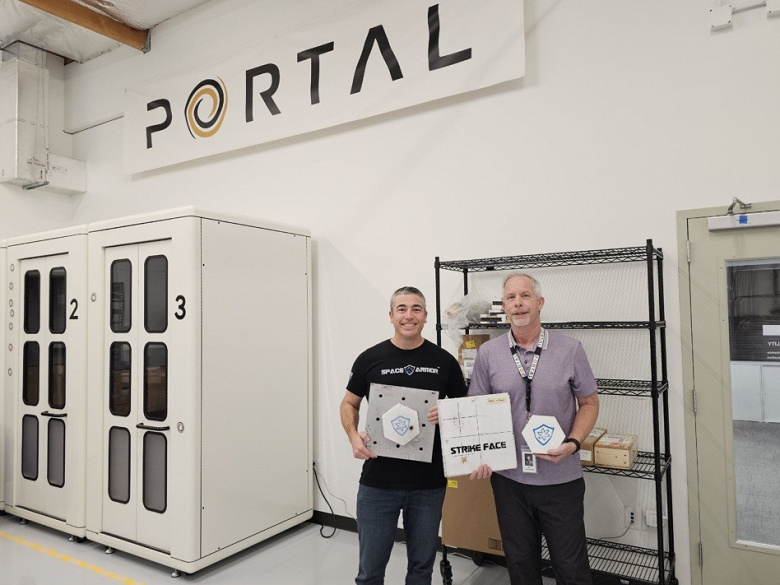
The Space Armor system is comprised of hexagonal tiles of two types: Light and Max. The Light tiles, which are being tested on the Starburst-1 satellite, are intended for protection against micrometeoroids and debris up to 3 mm in size. Max tiles, designed for manned systems, should safeguard against particles up to 12.5 mm. Atomic-6 advocates protecting only the most critical systems of a spacecraft with Space Armor, rather than the entire spacecraft.
Smith mentioned that insurance companies have shown interest in offering discounts on premiums for spacecraft protected with Space Armor, as it reduces risk. Space Armor tiles can also mitigate the risk of secondary debris formation. A typical collision results in numerous new fragments, escalating hazards on near-Earth orbits. Space Armor is engineered to prevent secondary debris during impacts.
In the future, Atomic-6 plans to extend Space Armor’s protection to not only satellites but also astronauts’ spacesuits. The company is confident that this will enable spacesuits to be lighter and stronger, providing defense against undetectable types of impacts.