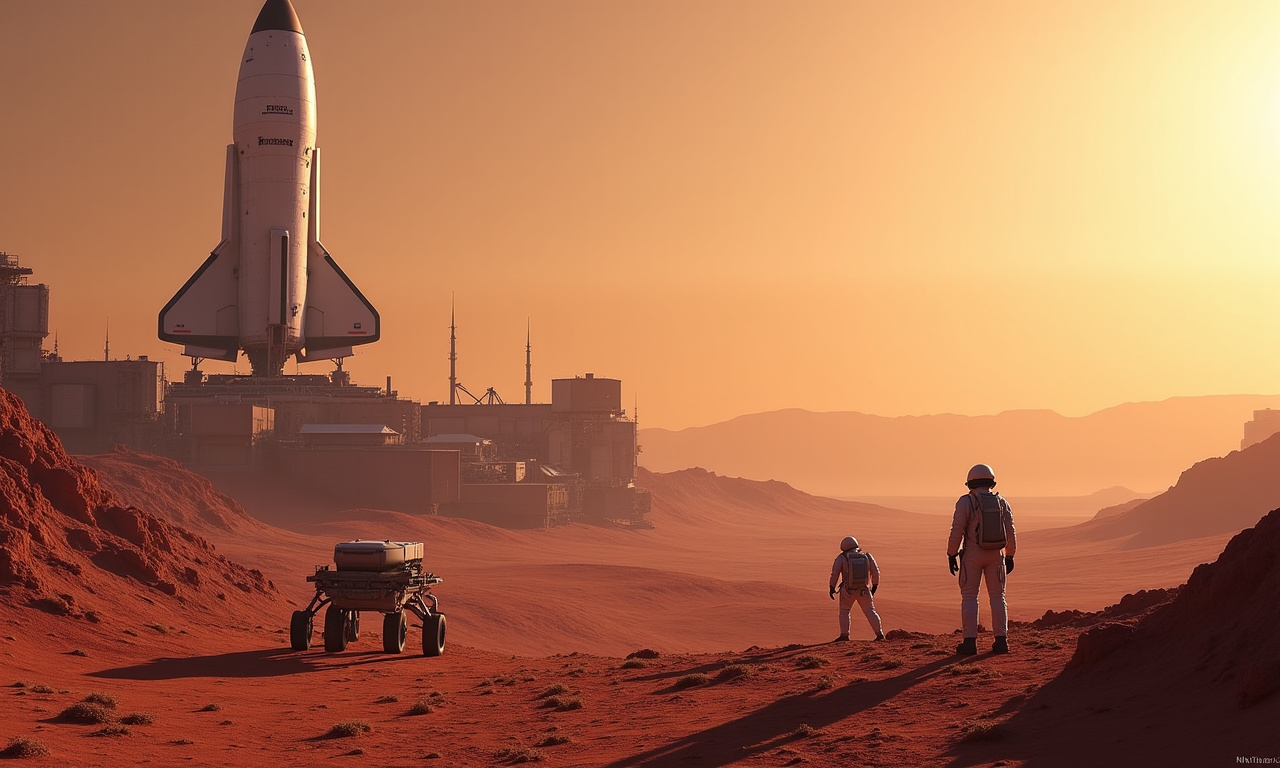

Elon Musk noted that those daring to venture to Mars or the Moon as part of the initial missions to transform humanity into a multiplanetary species will face far more serious risks than those remaining on Earth. He emphasized that conditions would be cramped, harsh, and extremely far from comfort. According to him, life there won’t resemble life on Earth: the food won’t be as tasty as at home, and the risk of death is significantly higher than if they stayed on Earth. Musk added that participants in such expeditions will face a tremendous amount of exhausting work, and with all this, there is no guarantee that the mission will be successful.
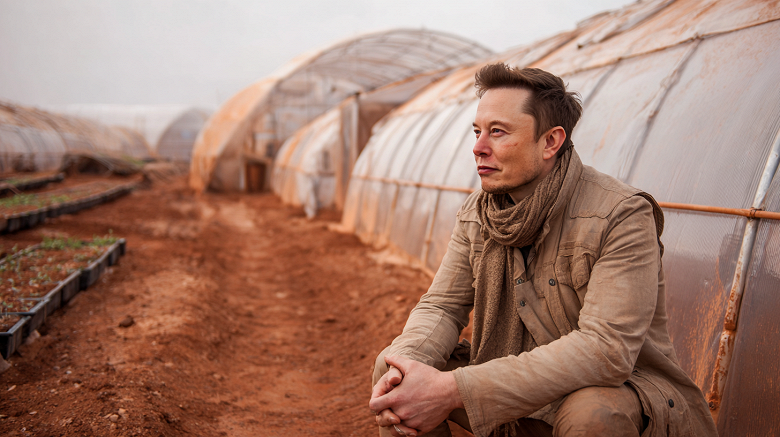
He compared those who would go to Mars to the colonizers of America and joked that if there had been social media at the time and people knew about all the difficulties, many would have thought twice about going there. According to SpaceX’s plans, Starship could make its first trip to Mars as early as 2026 – but this primarily refers to an unmanned mission. As for the manned flight, SpaceX and Elon Musk himself indicate that the “early but realistic” goal is the late 2020s or early 2030s. If everything goes according to plan, people could start heading to Mars by 2029–2031.
As developments continue, NASA recently announced plans for the Artemis program aiming to return humans to the Moon by 2025, setting a stage for a sustainable human presence. Meanwhile, SpaceX has been working diligently on Starship’s design, boasting a capacity to transport up to 100 passengers, introducing a new era of space travel. Technological advancements include Raptor engines powered by liquid methane and oxygen, designed for refueling in the Mars atmosphere-an innovative approach to long-term exploration. Experts express cautious optimism, comparing this era of exploration to historical leaps such as the formation of railroads.