







On January 11, NASA experts successfully received a signal from the Pandora satellite during its first communication session after being launched from Vandenberg Space Force Base in California. Pandora is designed to study exoplanets discovered by previous missions. The mission’s primary objective is to analyze the atmospheres of exoplanets and the impact of stars on the signals astronomers receive from these planets. When a planet transits its star, substances in its atmosphere absorb part of the star’s light. By measuring these changes, astronomers can identify the presence of specific elements and compounds in the exoplanet’s atmosphere. However, the star itself can also create similar signals, complicating the analysis.
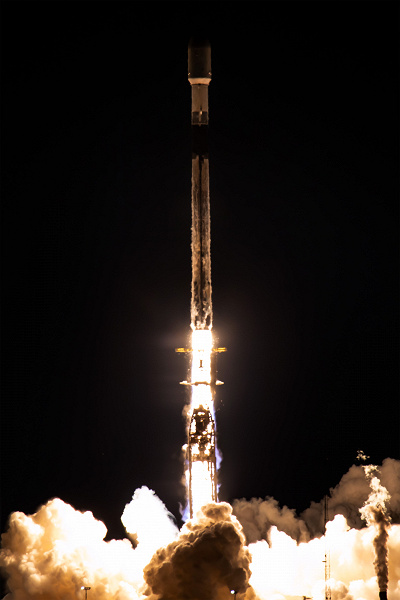
Pandora will simultaneously track the brightness of the star in visible light and gather data in the near-infrared range from both the star and the planet. Each system will be observed 10 times over a period of 24 hours. These extended multi-wavelength observations will help distinguish between the signals from the star and the planet, allowing for more accurate determination of the exoplanet’s atmospheric composition.
Recent Developments and Insights
Recent advancements in spectroscopic technologies enhance the mission’s capability to separate starlight from planetary signals with unprecedented precision. This is expected to refine our ability to characterize exoplanetary atmospheres, potentially influencing the search for habitable worlds.
Expert Opinions
NASA’s project scientist recently noted, “Pandora’s mission is groundbreaking as it will provide deeper insights into the atmospheric dynamics of distant worlds, which is essential for understanding their potential habitability.”
Impact on Future Space Exploration
The findings from Pandora could reshape future exploration objectives, prioritizing missions that can further decipher atmospheric compositions through remote sensing. This could bolster collaborations between international space agencies aiming to unravel the mysteries of exoplanets.