





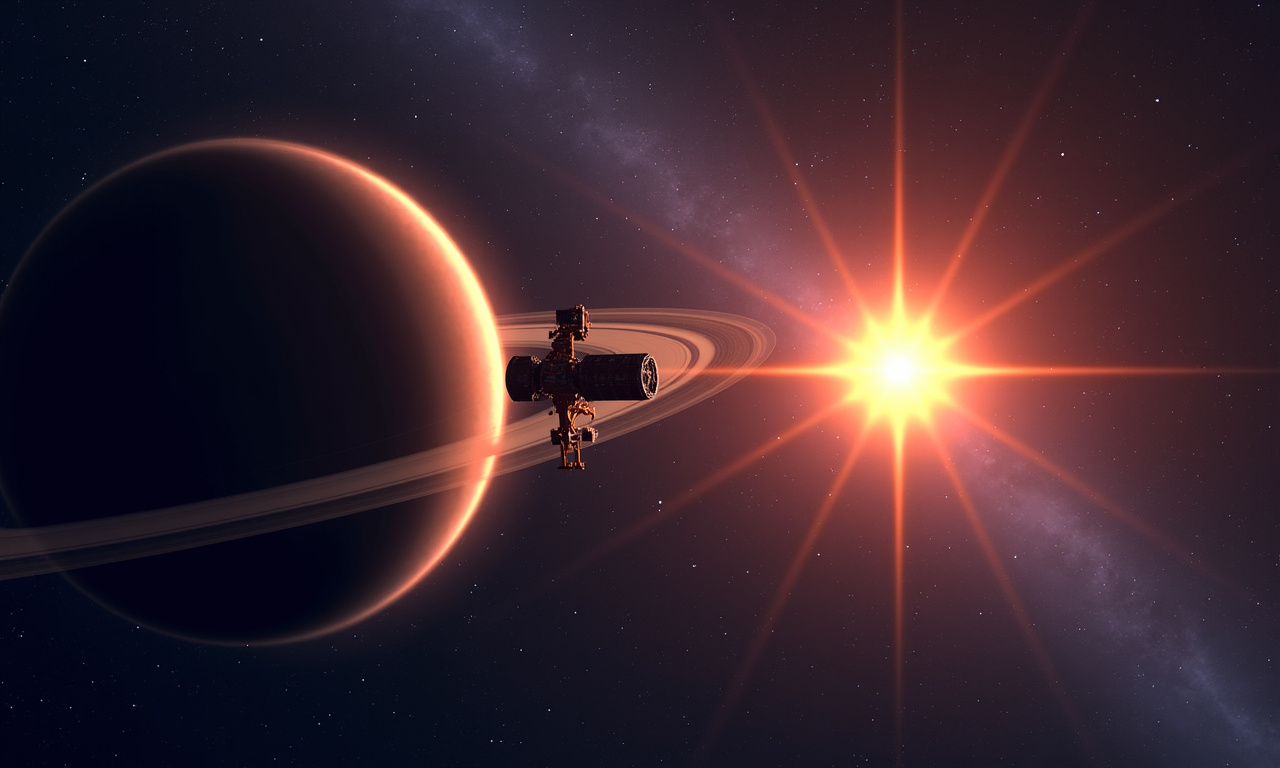

In January, NASA and the Lawrence Livermore National Laboratory (LLNL) will launch the small satellite “Pandora” from Vandenberg Space Force Base. The 13-month mission aims to search for planets with signs of life. “Pandora” will observe the atmospheres of 20 exoplanets as they transit in front of their stars. The data collected will aid the James Webb Space Telescope (JWST) in studying planets orbiting young, active stars. These stars generate noise that complicates the analysis of exoplanet atmospheres. As astronomer Peter McGill explained, the chances of detecting biomarkers-gases like oxygen, carbon dioxide, and methane, which may indicate life-are extremely low. However, the collected data will help answer fundamental questions about the possibility of life beyond Earth.
The “Pandora” mission marks the first space launch under the Pioneers program, named after NASA’s program dedicated to exploring the solar system’s planets. “Pandora” will study planets up to 100 light years away. The challenge lies in “stellar pollution,” unwanted signals from the star that distort the data.
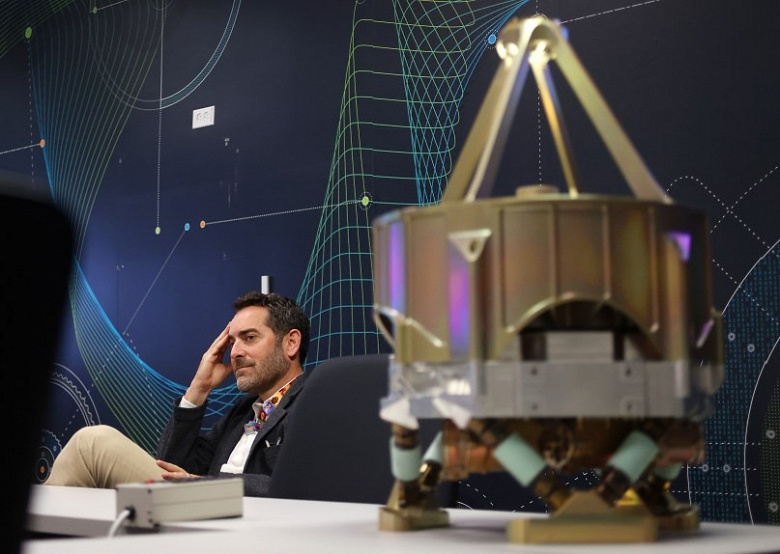
According to Ben Banyi, head of LLNL’s space program, “Pandora” is the first full-fledged NASA science mission managed by the lab for this type of spacecraft. Project engineer Jordan Karburn noted that LLNL scientists, who previously worked with the Hubble and Kepler telescopes, originally developed “Pandora” to address the issue of “stellar pollution.” The principle of “Pandora”‘s operation is as follows: when an exoplanet transits in front of a star, astronomers can capture its image. A spectrometer, measuring light wavelengths, allows for determining the planet’s chemical composition. “Pandora” will help filter out noise from the spectrum obtained by the “James Webb” to provide more precise data on exoplanets.
A secondary mission goal is to demonstrate the potential for collaboration between public and private space companies. The “Pandora” team notes that the cost of the project is seven times lower than NASA’s initial estimate, representing a “new class” of missions for realizing scientific capabilities at lower costs.
Pandora will be launched in early January on a SpaceX rocket. The exact launch date is not disclosed, but is expected to happen after January 5.
Pandora’s Mission Amidst New NASA Ventures
In recent months, NASA has announced several ambitious projects, including a mission targeting Venus and plans for a sample return project. These missions highlight NASA’s commitment to exploring our solar system, with “Pandora” playing a crucial part in understanding exoplanetary atmospheres.
LLNL’s Recent Achievements Beyond Space
LLNL recently made headlines with a breakthrough in fusion energy, underlining its versatility and cutting-edge research capabilities. This innovation not only signifies progress in energy research but also complements the prowess needed for managing complex space missions like “Pandora.”