
The Michigan Public Service Commission has approved the provision of 1.4 GW of energy for an OpenAI data center to be built in Salin, Michigan, despite protests from local residents and the lack of public hearings on the project. The commission’s decision was made “ex parte,” excluding the possibility of public discussion with stakeholders and citizens. Initially, the construction of the data center was blocked by the Salin township council, which denied a request to rezone agricultural land. However, developers contested this decision in court and obtained permission to build.
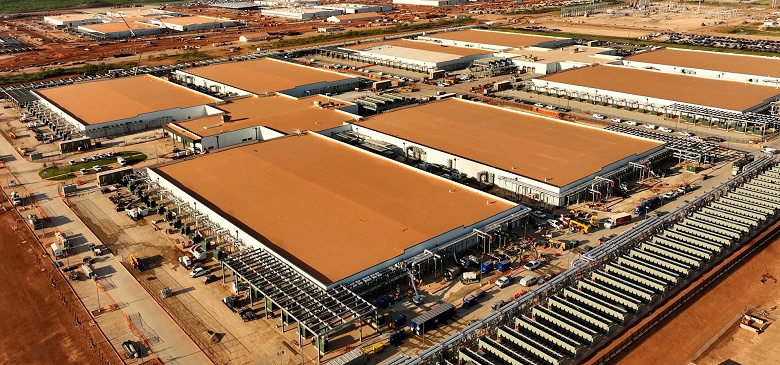
After gaining access to the township with a population of 2,328 people, the company announced plans to build three separate buildings, each covering 51,096 square meters, which will become part of OpenAI’s Stargate data center cluster with a total capacity of 5 GW.
This massive new development arrives at a time when OpenAI has also announced plans for carbon-neutral technology initiatives for its data centers, a step seen to potentially mitigate environmental impacts. Such measures are likely part of a broader industry shift towards sustainability.
Local residents express discontent with the decision. Protests were held against the allowance of the construction, and one resident filed a lawsuit, accusing local authorities of violating the Open Meetings Act. According to Data Center Watch, in the past three months, residents in at least 20 communities nationwide have blocked similar projects. Senator Bernie Sanders called for a nationwide moratorium on data center construction, stating that companies deliberately move forward with these projects before lawmakers and citizens can respond. This sentiment is echoed by a growing trend among communities and environmental groups advocating for stricter regulations on tech developments to ensure ecological and social considerations are adequately addressed.