


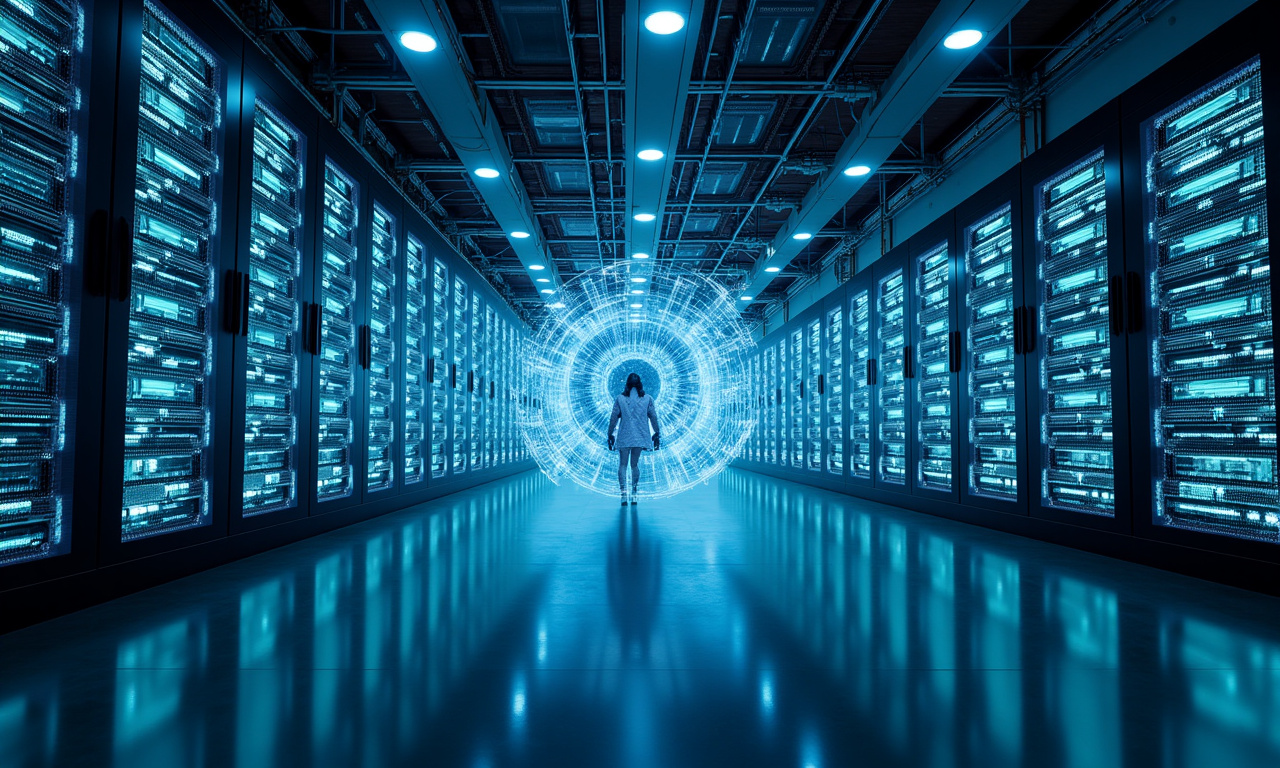

Despite the H100 accelerators no longer being the market leaders in performance, it is precisely these systems that have established a new world record. Nvidia boasted how the H100 cluster on the CoreWeave AI cloud platform broke the performance record of Graph500. The record result was 410 trillion TEPS. In this case, TEPS stands for Traversed Edges Per Second, which means the number of edges in a graph per second.
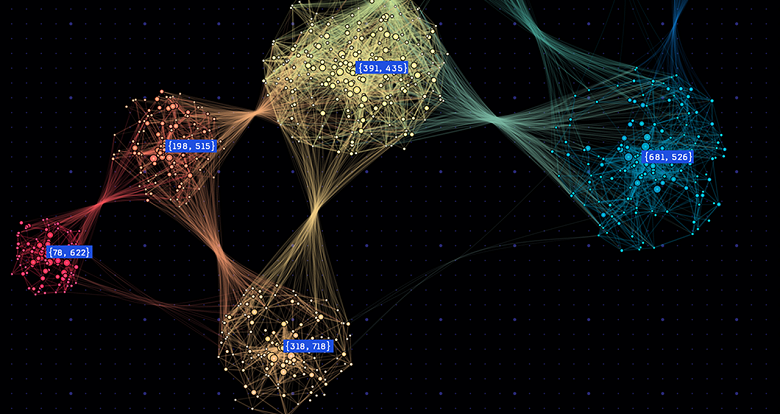
During testing, conducted on a cluster located in the CoreWeave data center in Dallas, 8192 H100 accelerators were used to process a graph with 2.2 trillion vertices and 35 trillion edges. The system not only set a record-the result more than doubled the performance of similar solutions on the list.
Nvidia provides an analogy to better understand the scale of the computation. To imagine this level of performance, consider if every person on Earth had 150 friends. This would correspond to 1.2 trillion connections in a social graph. The performance level recently achieved by NVIDIA and CoreWeave allows for searches across all friendships on Earth in just three milliseconds.
This breakthrough is monumental for high-performance computing. Fields such as hydrodynamics and weather forecasting use similar sparse data structures and data exchange models, synonymous with the graphs underlying social networks and cybersecurity. For decades, these areas were bound to processors on the largest scales, even as data volumes increased from billions to trillions of connections.
NVIDIA’s victory in the Graph500 ranking, along with two other works in the top ten, confirms a new approach to large-scale high-performance computing. With the comprehensive integration of computing, networking, and software solutions by NVIDIA, developers can now utilize technologies such as NVSHMEM and IBGDA for efficiently scaling their largest high-performance computing applications, delivering supercomputer performance on commercially available infrastructures.
A key factor in this success is Nvidia’s strategy in adapting its hardware to be compatible with current AI workloads and performance demands, while integrating seamlessly with existing technological ecosystems. This adaptability ensures that systems like the H100 remain relevant and vital even as newer technologies emerge.