

The company Nvidia has not yet begun deliveries of its next-generation AI accelerators known as Rubin, while Chinese companies are already exploring ways to gain access to these chips. Naturally, not directly, but, as before, remotely via cloud services.
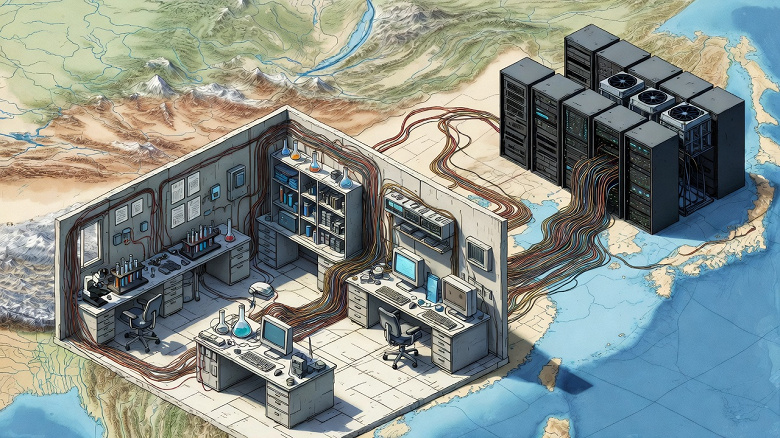
According to The Wall Street Journal, Chinese companies have already started negotiations for access to Nvidia Rubin systems located in data centers outside of China. Regions mentioned include Southeast Asia and the Middle East. It is important to note that until recently, such arrangements were generally considered legal. However, on January 13, the US passed a law intended to prevent such access.
Whether Chinese companies will succeed in circumventing the new ban remains to be seen.

However, remote access comes with several significant issues. Firstly, as reported, renting remote computing power was an inconvenient and expensive option. Secondly, as models become more complex, the value of full and uninterrupted access to hardware resources for training increases, and rented capacities rarely provide this.
The geopolitical tension surrounding these technological advancements is palpable. With the US tightening restrictions on technology exports amidst a backdrop of growing competition in AI, China is seeking new avenues to advance its AI capabilities. Nvidia, on the other hand, is at the forefront of cutting-edge innovation, propelling their technology forward despite external challenges. The Rubin accelerators, similar to their predecessors, promise increased efficiency and power, attracting global interest.
The new US policy aims not only at controlling the strategic technology access but also at maintaining the competitive edge in the global AI race, reinforcing existing alliances and exploring new diplomatic engagements.