


Introduction of Alpamayo-R1
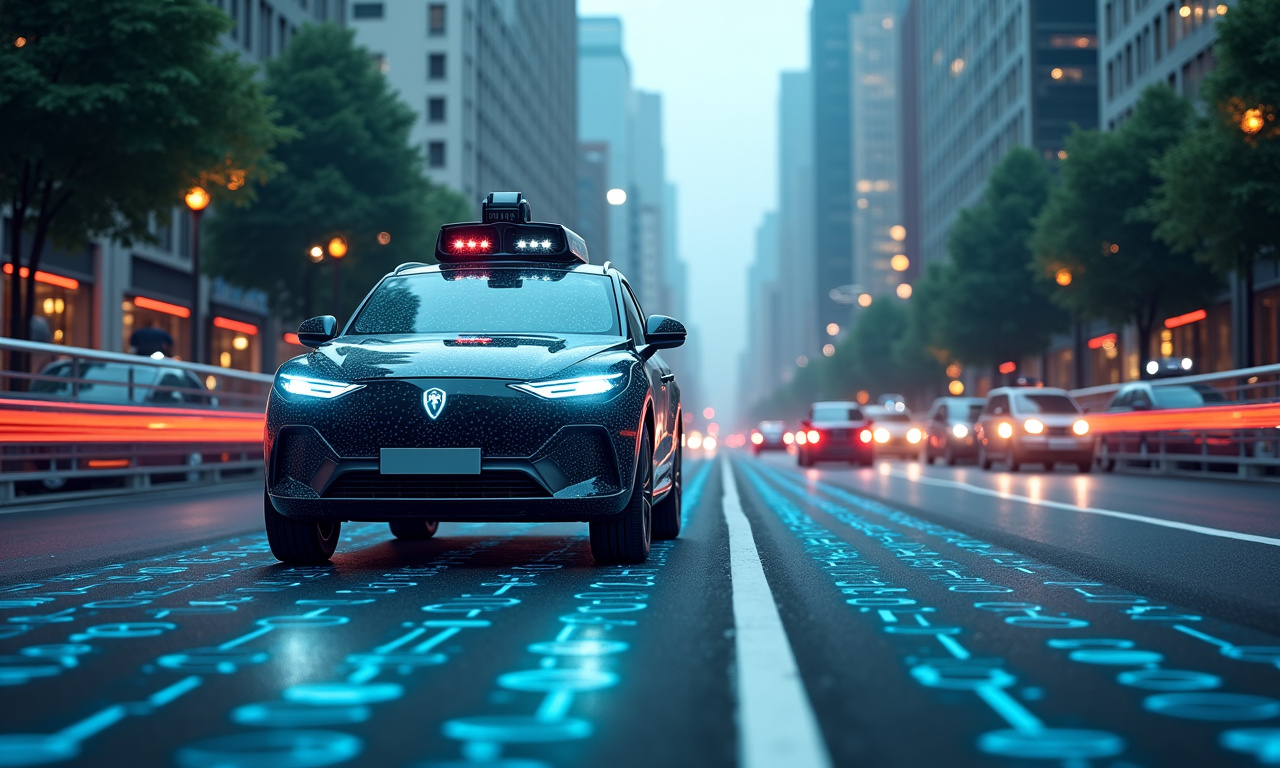
Nvidia has introduced a new artificial intelligence model called Alpamayo-R1, specifically designed for training autonomous vehicles. This innovative model is capable of processing both text and images, allowing vehicles to analyze their surroundings and make more reasoned decisions, mimicking human situational understanding on the road. The development was unveiled at the NeurIPS AI conference in San Diego, California.
Technical Foundations and Enhancements
Alpamayo-R1 is based on Nvidia’s Cosmos-Reason model, initially introduced in January and enhanced as recently as August. Cosmos-Reason excels in situational analysis and ‘thinking’ through decisions prior to taking action. Nvidia claims that Alpamayo-R1 is the first model specifically oriented towards autonomous driving tasks. Recent updates have focused on refining Alpamayo-R1’s ability to handle complex real-world scenarios, showcasing improved decision-making abilities akin to human common sense. This marks a significant step in Nvidia’s journey towards elevating AI-driven autonomous navigation.

Introduction of the Cosmos Cookbook
Alongside Alpamayo-R1, Nvidia introduced the Cosmos Cookbook- a comprehensive set of instructions, resources, and algorithms for training Cosmos models. It includes guidelines on data preparation, synthetic data generation, and model evaluation. Alpamayo-R1 and the Cosmos Cookbook are available on platforms such as GitHub and Hugging Face. These advancements are part of Nvidia’s strategy to develop ‘physical AI,’ which aims to enable robots and autonomous systems to interact with the real world.
Industry Perspectives and Strategic Direction
Nvidia CEO Jensen Huang has consistently emphasized that ‘physical AI’ represents the next frontier in artificial intelligence. This new approach is essential for the continued growth of robotics. Bill Dally, Nvidia’s Chief Scientist, also highlighted the importance of ‘physical AI’ for robotics, stating, “We want to create the ‘brains’ for all robots.” Recent feedback from the AI community underscores Nvidia’s pivotal role in driving these technological frontiers, affirming the strategic thrust toward integrating AI with physical systems. As autonomous technologies evolve, Nvidia continues to position itself at the forefront, shaping the future landscape of AI and robotics.