





After a sharp spike in DRAM prices, the computer components market braces for another hit: the first quarter of 2026 is expected to see a doubling of flash memory (NAND) chip prices. According to an ETNews report, South Korean giant Samsung has already notified key clients such as Apple, Nvidia, and AMD of a 100% increase in contract prices for NAND.
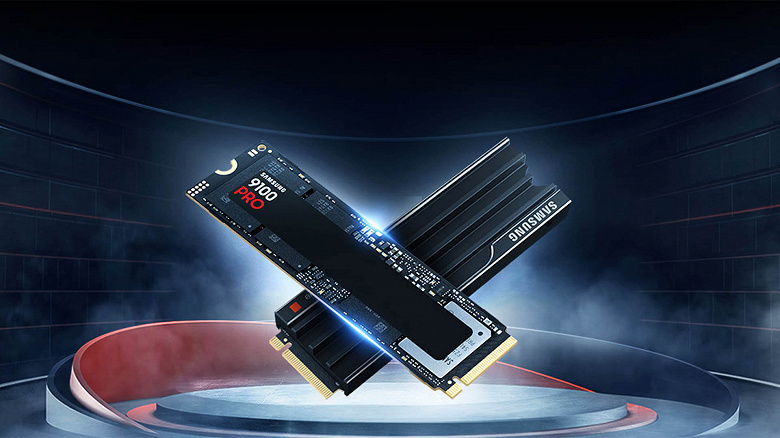
The main culprit behind the price storm is cited as the artificial intelligence boom, which has reshaped supply chains and forced manufacturers to redirect capacity to more profitable server solutions. Statistics from PCPartPicker indicate that since October 2025, retail prices for SSDs have already jumped by an average of 18%, and this is just the beginning. The situation is exacerbated by the fact that manufacturers (Samsung, SK hynix) do not plan to increase consumer memory production volumes, preferring to maintain artificial shortages to maximize profits.
In recent months, demand for high-capacity storage solutions has surged, driven largely by advancements in AI technologies that require substantial storage for large datasets and analytics. While consumers initially felt the pinch through increased SSD prices, the ripple effect is now being felt across the broader electronics market. Devices such as smartphones and laptops, which heavily rely on NAND flash memory, face potential price hikes as manufacturers account for the increased wholesale costs.
Despite the looming price increases, tech giants like Apple and Nvidia have yet to publicly announce any strategic shifts in product pricing or production, choosing instead to absorb the initial shock to mitigate consumer backlash. Meanwhile, AMD continues to explore alternative supply sources to cushion the impact. This strategic silence reflects a period of evaluation as companies weigh their options amidst the volatile market conditions.
Technological advancements in 3D NAND technology, which promise higher storage capacities and improved energy efficiency, have emerged as potential stabilizers in the market. However, the adaptation of these new technologies requires time and capital, thus further extending the current shortfalls in supply. The quandary has left consumers intermittently hesitating over new purchases, while businesses analyze cost-effective storage solutions.
Looking forward, industry analysts expect the market turbulence to continue well into 2026, driven by both the sustained demand from tech innovations and the calculated supply constraints by manufacturers. This carefully orchestrated balance between innovation-driven demand and supply-side management sets the stage for an unpredictable year, posing significant challenges not only to individual consumers but also to enterprise-level computing solutions.