





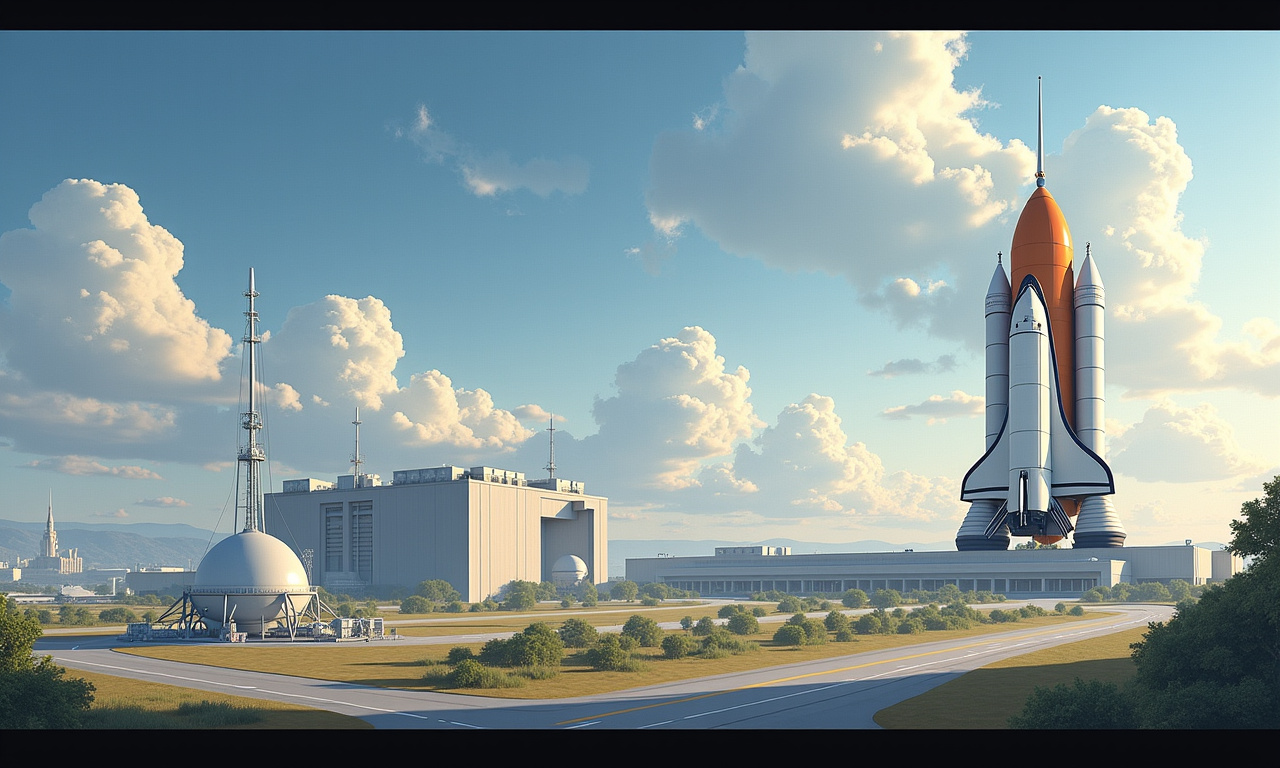

In January, NASA plans to dismantle three iconic structures at the Marshall Space Flight Center in Huntsville, Alabama. This involves the Neutral Buoyancy Simulator, built in the late 1960s, and two test stands: the Propulsion and Structural Test Facility and the Dynamic Test Facility. Demolition began in mid-December with the pool’s removal. In this pool, NASA astronauts and engineers operated in near-weightlessness, conducted underwater tests of space equipment, and practiced servicing the Hubble telescope. The two test stands will be demolished through a controlled explosion scheduled for January 10. These structures played a crucial role in lunar and low Earth orbit exploration programs.
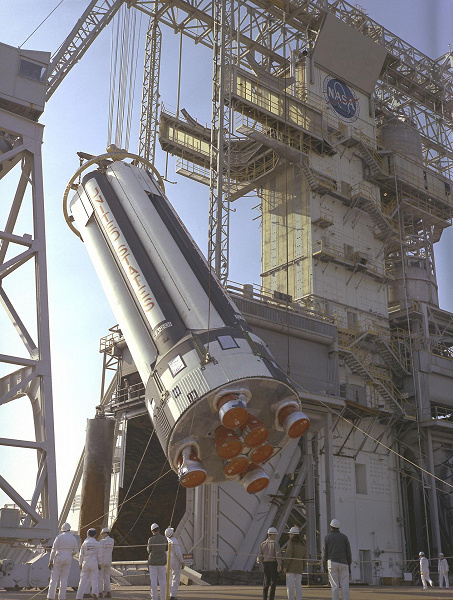
The Dynamic Test Facility, constructed in 1964, was used for testing the Saturn V rockets, developed under Wernher von Braun in the 1960s. The most powerful of these was employed in the Apollo program to send humans to the Moon. In 1978, all elements of the Space Shuttle were assembled on this stand for the first time. The Propulsion and Structural Test Facility, built in 1957, was used for testing components of the Saturn rockets, Redstone rockets, and Space Shuttle solid rocket boosters.
“These structures are unsafe. Strategic dismantling is a necessary step in shaping the future of NASA’s mission for exploration, innovation, and inspiration. Removing structures we have not used for decades saves money on maintenance of facilities we cannot use. We also make these areas safe for future NASA research initiatives and investments,” said Acting Center Director Anne Meyer.
The demolition of these historic objects is part of a larger project initiated in spring 2022, aimed at dismantling unused structures that are no longer needed for NASA missions. This demolition is the first phase of an initiative to remove 25 obsolete structures, reduce maintenance costs, and prepare the Marshall Space Flight Center for infrastructure investments in NASA’s center.
To preserve the history of these iconic objects, NASA conducted thorough documentation and archiving of their architectural plans, written histories, and photographs in the Library of Congress. Additionally, NASA collaborates with Auburn University to create digital models of these structures using LiDAR technology and 360 photography. Separate artifacts were handed over to the U.S. Space & Rocket Center museum. Following the demolition, NASA plans to release videos of the dismantling and provide virtual tours of the sites.