






SLS Rocket Preps: Sealing the Future of Space Exploration
Following the completion of the wet dress rehearsal on February 3, which precedes the Artemis II mission, technicians replaced two seals in the area where elevated concentrations of gaseous hydrogen were detected during the tests. Engineers are analyzing the removed seals and devising plans to address all issues before the next rehearsal.
Immediately after the cryogenic fuel was drained from the SLS (Space Launch System) rocket tanks, technicians began working to access the tail service mast on the mobile launch platform. They disconnected the interface plates of the rocket and ground equipment to inspect the area of elevated gas levels and replace the seals around two fuel lines.
Stairstep Masts: Giants of Launch Prep
The two tail service masts, each approximately the height of a three-story building, provide cryogenic fuel and connect electrical cables to the SLS core stage. The masts tilt back before launch and are equipped with quick disconnect mechanisms to ensure a safe recoiling during liftoff.
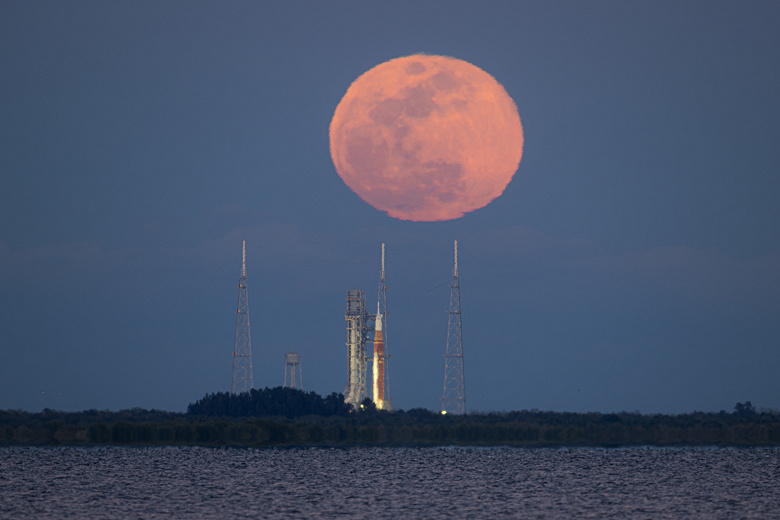
While teams continue evaluating the cause of the leak, reconnection of the interfaces is scheduled for completion by February 9.
The tests are planned to be conducted at NASA’s John C. Stennis Space Center in Mississippi to assess the dynamics of the plates. Engineers are considering testing repair works before the next wet dress rehearsal to ensure the seals function properly.
Orion Crew Module: Locked and Loaded
NASA will also update several operations for the next wet dress rehearsal to focus on fueling activities. The crew module hatch of Orion will be sealed before the tests, and the launch day preparation group responsible for assisting the Artemis II crew into their seats and closing the two Orion hatches will not be deployed on the launch pad.
The crew access arm will not be retracted during the next rehearsal, following engineers’ successful demonstration that the ground launch sequencer can retract it during the final countdown phase. In addition, NASA has added 30 minutes of extra time during each of the two planned stops in the countdown, both before and after fueling operations, to allocate more time for troubleshooting, thereby increasing the total countdown time by an hour. The additional time will not affect the crew’s schedule on launch day.
Astronauts in Action: From Quarantine to Countdown
After exiting quarantine, NASA astronauts Reid Wiseman, Victor Glover, and Christina Koch, along with Canadian Space Agency (CSA) astronaut Jeremy Hansen, resumed training. Despite NASA still considering March as a potential launch window, the agency will not set a target launch date until a successful wet dress rehearsal and data analysis are completed.