




Probing the Northern Lights to Protect a High-Tech World
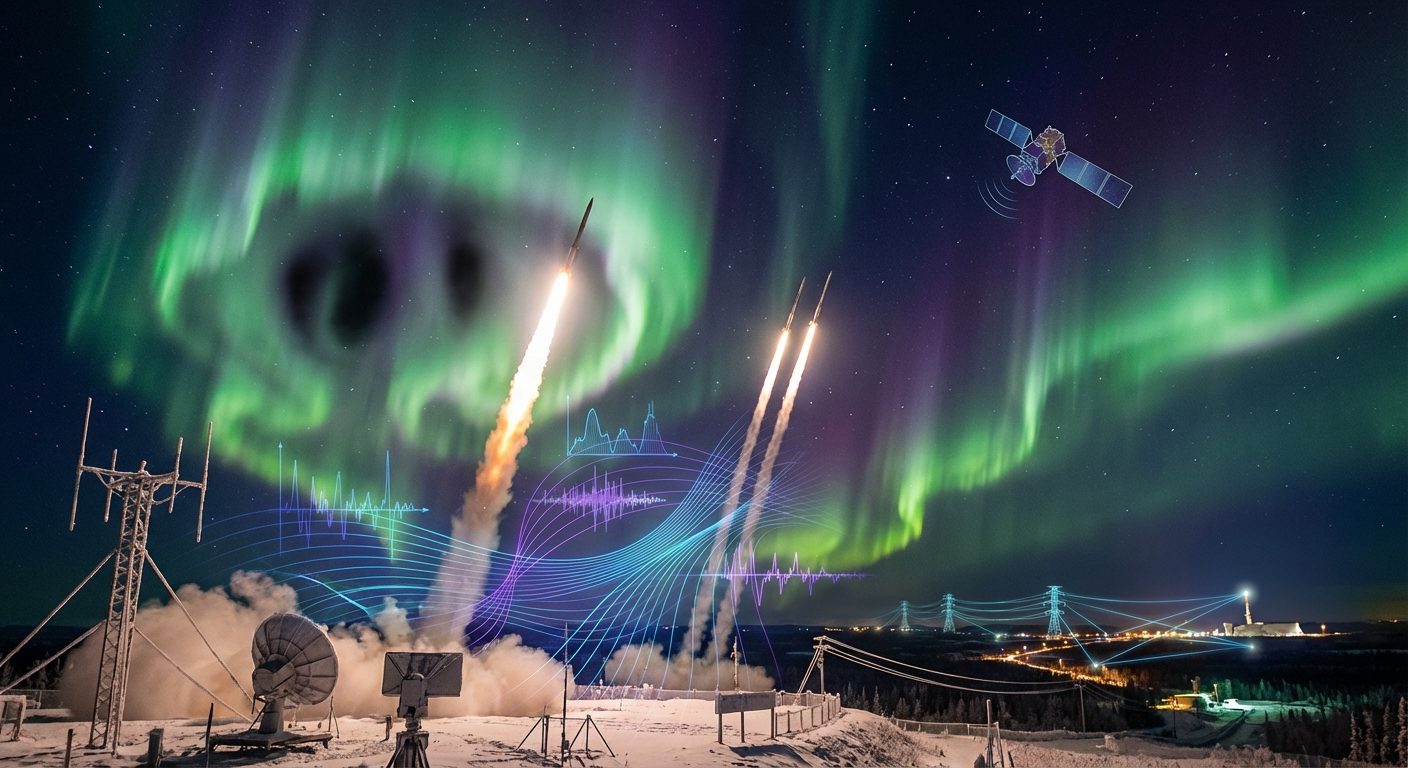
NASA has successfully launched two sounding rocket missions from the Poker Flat Research Range in Alaska to investigate the complex electrical activity within auroras. These missions, BADASS and GNEISS, aim to provide a deeper understanding of the fundamental processes driving the northern lights, which is crucial for improving the protection of satellites, astronauts, and terrestrial infrastructure from the disruptive effects of geomagnetic storms.
BADASS: Investigating the Voids in the Light
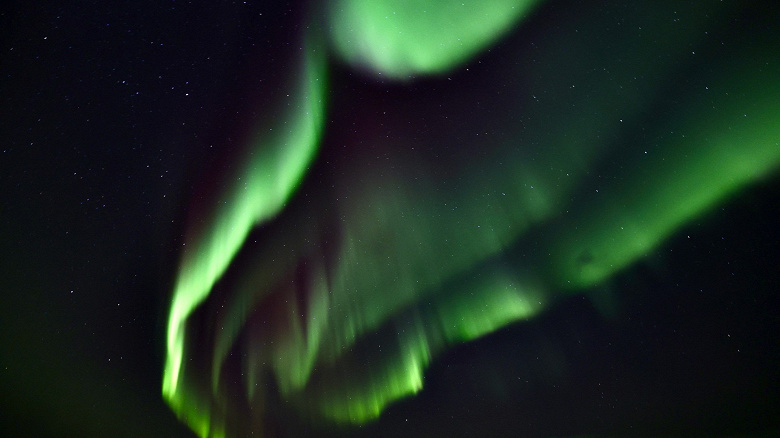
The first mission, the Black and Diffuse Auroral Science Surveyor (BADASS), launched on February 9 to study “black auroras.” This phenomenon occurs when electrons are unexpectedly propelled back into space, rather than streaming towards Earth, creating dark, empty patches within the vibrant auroral display. These voids represent a significant puzzle in understanding the overall dynamics of Earth’s magnetosphere. The BADASS rocket reached an altitude of 360 km (224 miles) before returning to Earth. Marilia Samara, the principal investigator for the mission, confirmed that the instruments performed flawlessly, gathering high-quality data that will be instrumental in deciphering the cause of this electron flow reversal.
GNEISS: A “CT Scan” of Auroral Currents
The second mission, Geophysical Non-Equilibrium Ionospheric System Science (GNEISS), launched a pair of rockets in quick succession on February 10. This mission is designed to create a detailed, three-dimensional map of the powerful electrical currents that flow beneath the aurora, akin to a medical CT scan. Each rocket reached a peak altitude of approximately 319 km (198 miles). By measuring how radio signals from the rockets are altered as they pass through the aurora’s plasma to ground receivers, scientists can map the flow of energy from the solar wind into Earth’s ionosphere. “We want to know how the current spreads downward through the atmosphere,” stated Kristina Lynch, the GNEISS principal investigator and a professor at Dartmouth College. This data is essential for building more accurate models of space weather.
Why This Research Is Critical
The study of auroras is far from a purely academic pursuit. The geomagnetic storms that create these beautiful light shows can have severe consequences for our technology-dependent society. These storms can heat the upper atmosphere, increasing satellite drag and potentially causing them to fall out of orbit. They can also damage satellite electronics, disrupt GPS and radio communications, and even induce destructive electrical surges in power grids on the ground, leading to widespread blackouts. By understanding the intricate electrical “circuitry” of the aurora, scientists can better predict the onset and severity of these space weather events.
A Glimpse into the Future
The data collected by the BADASS and GNEISS missions will be meticulously analyzed by scientists to create a more comprehensive picture of the forces at play in near-Earth space. This knowledge will feed into the next generation of space weather forecasting models. In the long term, this research could lead to more robust early-warning systems, giving satellite operators, power grid managers, and airlines crucial time to take protective measures, thereby mitigating the potentially costly and dangerous impacts of solar storms on our interconnected world.