

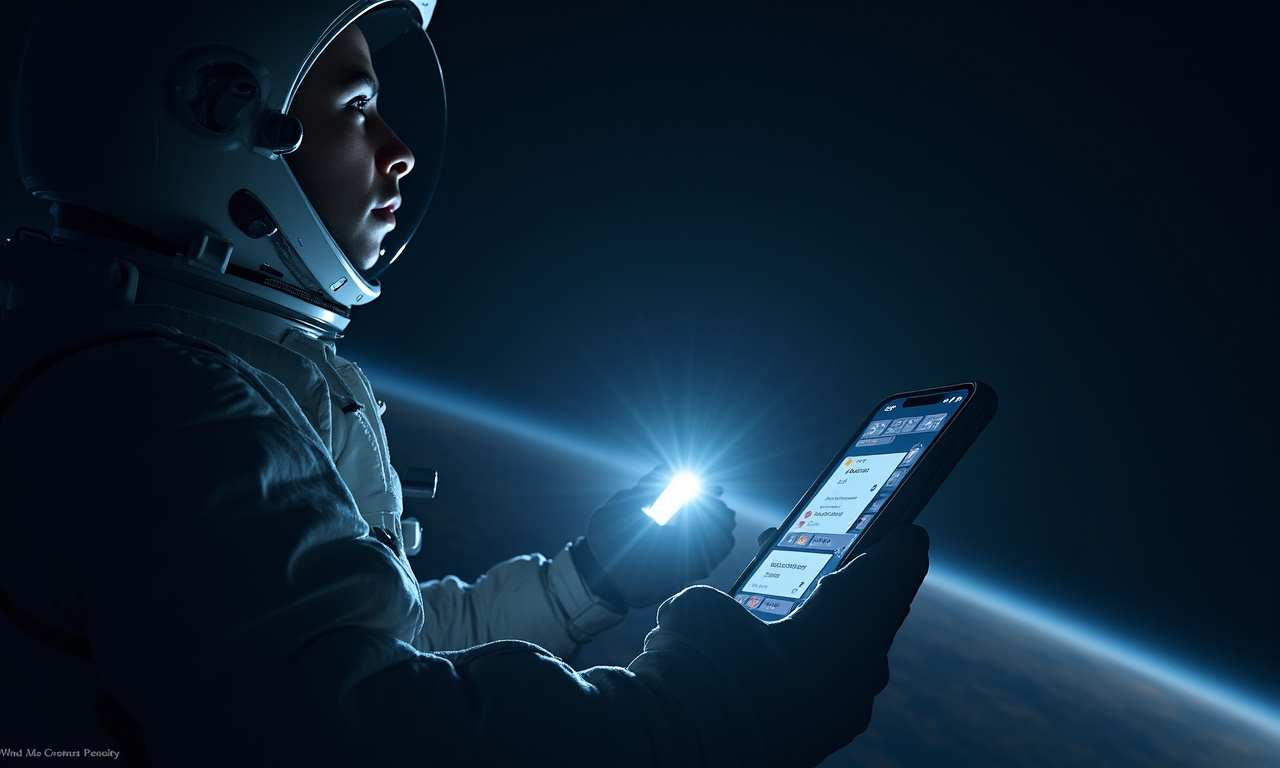

The United States National Aeronautics and Space Administration (NASA) has made a historic decision: participants in upcoming orbital and lunar missions will for the first time officially receive Apple iPhones. These devices will be used by astronauts as the main tool for documenting flights and capturing personal moments for their families.
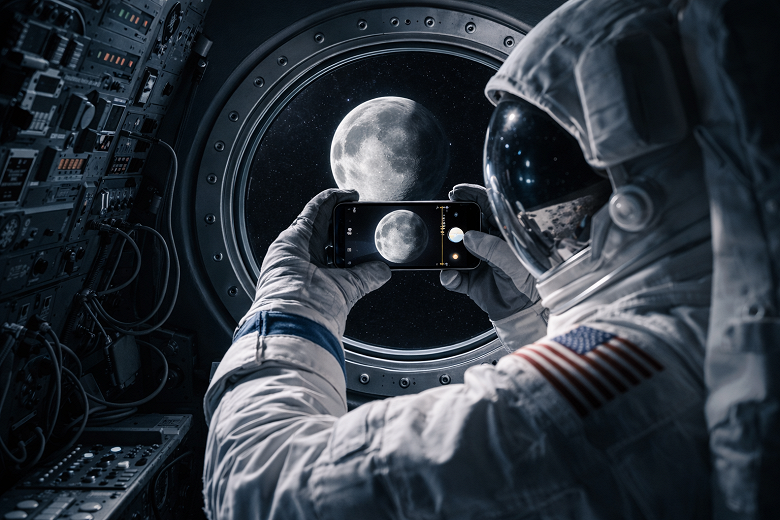
Currently, the choice is focused on the latest models of iPhone, though the agency allows for the possibility of certifying smartphones from other manufacturers in the future.
Traditionally, NASA has approached the use of commercial electronics in space with extreme caution due to strict reliability and safety requirements, but the current precedent demonstrates a change in course. The agency notes that the priority is the swift implementation of advanced civilian technologies, which in several parameters already surpass specialized aerospace equipment.
The latest models of iPhone, such as the iPhone 15 and iPhone SE 3rd generation, are equipped with cutting-edge processors capable of handling complex computations and large volumes of data, making them suitable for space missions. Their robust construction and advanced battery technology ensure reliability in the challenging environment of space.
Advancements in civilian technology, such as the integration of artificial intelligence and machine learning, have augmented these devices’ capabilities, enabling them to perform real-time data analysis, navigation, and communication tasks. Moreover, their lightweight and compact design align with the logistical constraints of space travel.