




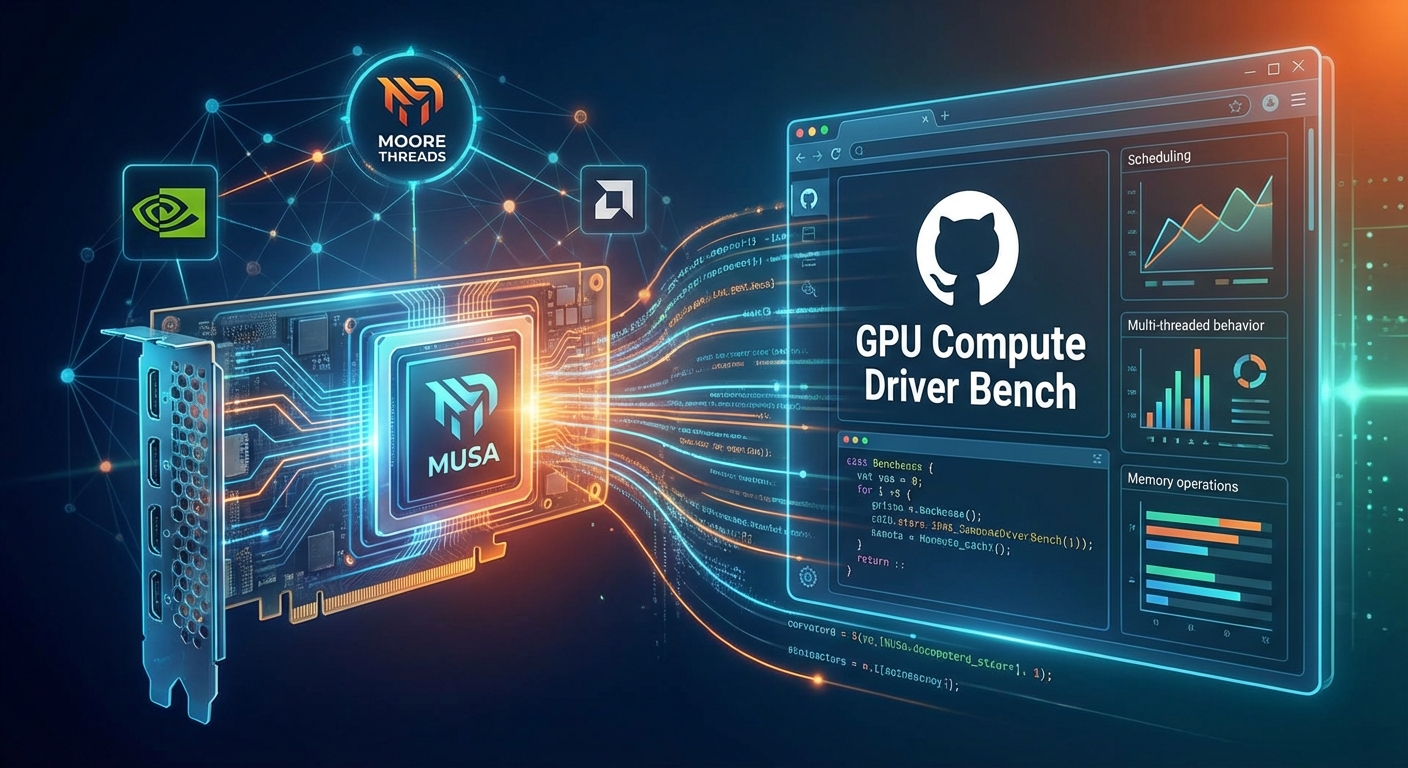

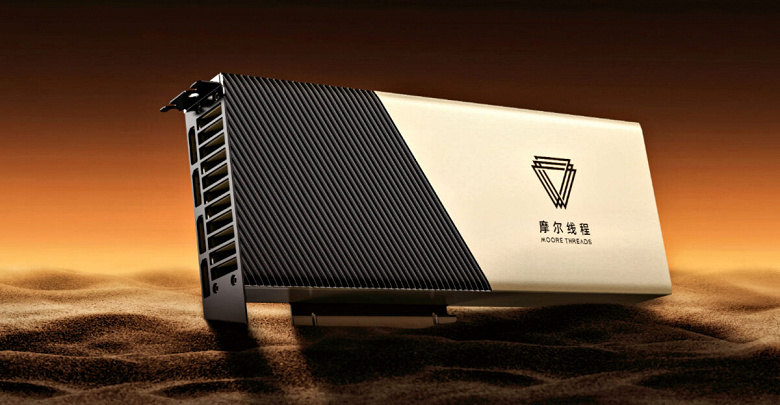
Chinese GPU company Moore Threads, known for its efforts to compete with giants like Nvidia and AMD, has released an open-source tool on GitHub called the GPU Compute Driver Bench. This is not another benchmark for gamers but a specialized toolkit designed for developers, system architects, and researchers to conduct in-depth performance analysis of GPU drivers themselves.
What Exactly Does the GPU Compute Driver Bench Test?
Instead of measuring frames per second in games, the tool focuses on the fundamental aspects of driver operation that directly impact performance in compute-intensive and memory-intensive scenarios. According to the company, the GPU Compute Driver Bench concentrates on five key areas where driver development can influence memory bandwidth and latency:
- Scheduling: How the driver allocates and manages tasks on the GPU’s processing units.
- Multi-threaded behavior: The efficiency of handling multiple instruction streams simultaneously.
- Memory operations: The speed and latency of data movement between the GPU and its memory.
- Multi-GPU interaction: Performance in systems with more than one graphics processor.
- Resource management: How the driver handles the allocation and deallocation of GPU resources.
A Strategic Move in a Competitive Landscape
For a company that is relatively new to the GPU market, releasing such a tool is an unexpected and strategic decision. It signals a strong commitment to transparency and collaboration with the developer community. This move is particularly significant as Moore Threads develops its own computing architecture, MUSA (Meta-computing Unified System Architecture), positioned as a domestic alternative to NVIDIA’s dominant CUDA platform. By providing sophisticated analysis tools, the company aims to attract developers and encourage optimization for its hardware.
This initiative is part of a broader strategy by Moore Threads to build a comprehensive, full-stack domestic computing ecosystem. The company has been actively releasing open-source projects, including TileLang-MUSA, a tool designed to reduce AI-related code volume by up to 90%, and an AI Coding Plan to create a fully homegrown programming solution. These efforts are crucial, as much of the performance improvement in Moore Threads’ GPUs has historically come from driver and software updates.
Looking Ahead: Openness as an Advantage
While industry giants like Nvidia and AMD possess mature, resource-rich ecosystems, Moore Threads is taking an asymmetric approach. By betting on open-source tools and community engagement, the company may carve out a key advantage in the long run. This strategy could not only accelerate the refinement of its own products but also pressure industry leaders toward greater transparency in their software stacks. As the company prepares to launch its next-generation “Huagang” architecture, which promises significant performance leaps in both gaming and AI, a robust and open software foundation will be more critical than ever.