





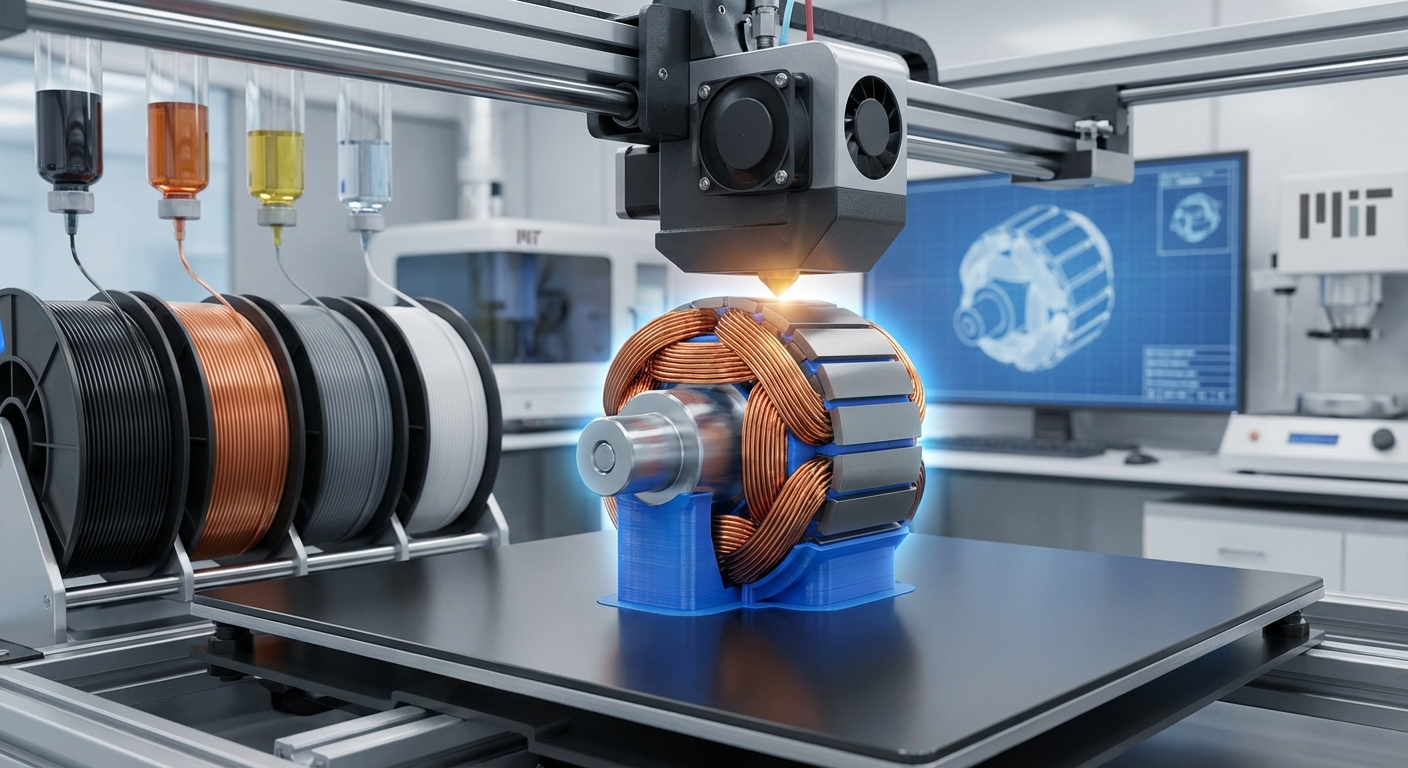

A team of researchers from the Massachusetts Institute of Technology (MIT) has developed a system capable of creating fully functional electric motors using 3D printing. The breakthrough lies in the printer’s ability to build a complex device in a single, uninterrupted process, integrating conductive, magnetic, and insulating materials into a unified structure. This innovation could significantly reduce manufacturing time and costs for a wide range of electronic components.
A Leap in Multi-Material Printing
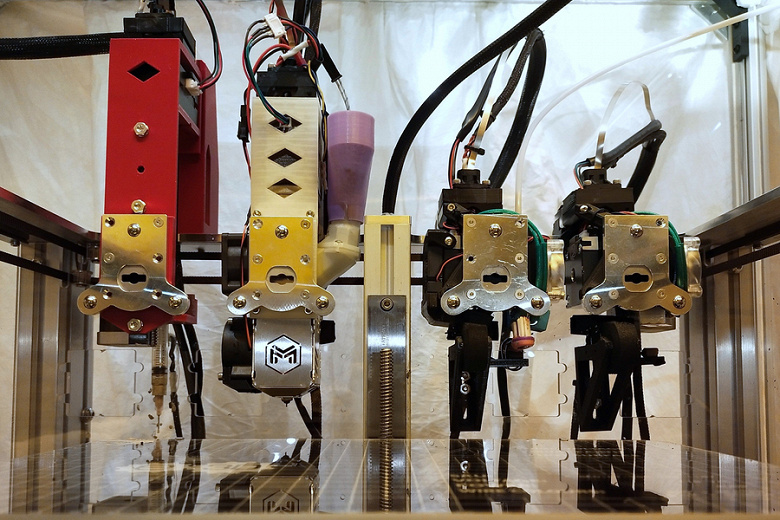
While most modern 3D printers can switch between a maximum of two materials, the MIT system simultaneously uses five different types of raw materials. To achieve this, the team retrofitted an existing printer with four custom extruders, each designed to handle a different material form, including filaments, pellets, and inks. The five materials used in the demonstration were a dielectric for insulation, an electrically conductive material for the windings, soft and hard magnetic materials, and a flexible polymer for structural support. This multi-material capability overcomes a major limitation of current additive manufacturing technologies.
“There were significant engineering challenges. We had to figure out how to marry together many different expressions of the same printing method – extrusion – seamlessly into one platform,” stated Luis Fernando Velásquez-García, a principal research scientist in MIT’s Microsystems Technology Laboratories and senior author of the paper.
From Digital File to Working Motor
During a demonstration, the scientists printed a complete linear motor in approximately three hours. After the printing was complete, the device only required a brief magnetization step to become fully operational. The material cost for a single motor was a mere $0.50. Tests revealed that the printed motor’s performance is not only comparable to but in some cases even surpasses that of analogs created through traditional factory methods. For instance, the printed motor generated several times more actuation force than similar motors that depend on complex hydraulic amplifiers.
Revolutionizing On-Demand Manufacturing
This technology has the potential to democratize the manufacturing of complex devices. Instead of relying on lengthy and expensive global supply chains, factories could print critical replacement parts on-site, drastically reducing production downtime. The ability to go from a digital design to a functional prototype in a single day, compared to the weeks or months required for traditional prototyping, could accelerate innovation across numerous industries.
A Glimpse into the Future
In the long term, this 3D printing platform could be used for the rapid fabrication of customizable electronic components for robots, electric vehicles, medical equipment, and IoT devices. This achievement represents a significant step forward in the field of Additively Manufactured Electronics (AME), where the goal is to print complex, integrated electronic systems rather than just passive parts. As the technology matures, it could fundamentally change how electronics are designed, manufactured, and deployed, paving the way for more customized, efficient, and accessible devices.