

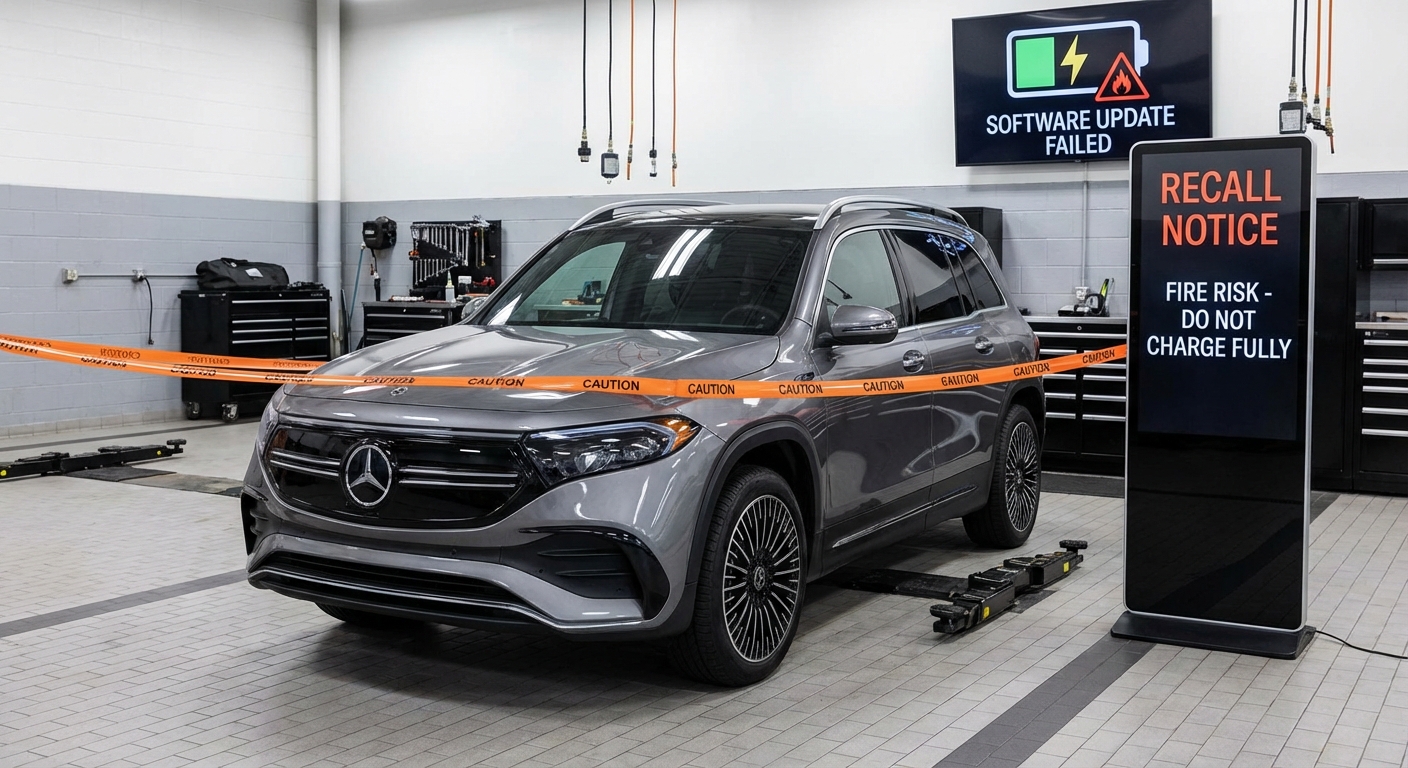

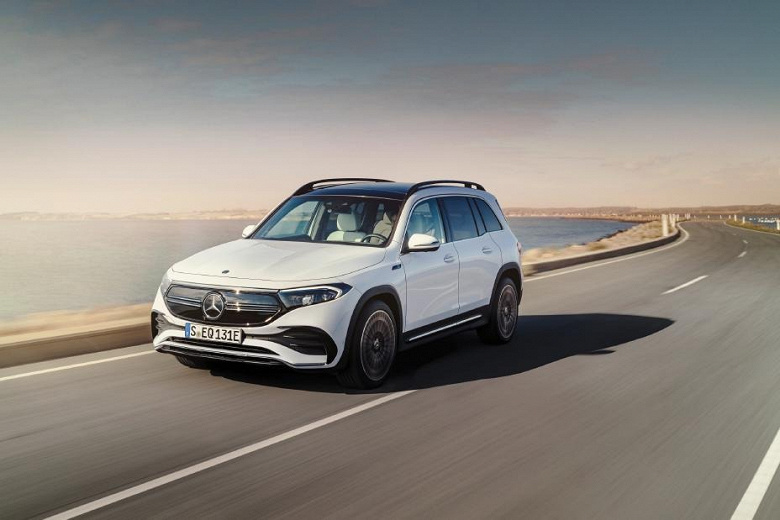
Mercedes-Benz has announced a large-scale recall for its EQB electric crossover in the United States and Canada, involving 12,732 vehicles due to a significant fire risk associated with the high-voltage battery. This action, which escalates from a previous software update attempt, now requires a full battery pack replacement for affected EQB 250+, EQB 300 4MATIC, and EQB 350 4MATIC models from the 2022–2024 model years. The failure of the initial software fix marks this as the third recall for the same underlying problem, highlighting a critical hardware defect.
The Root of the Problem: A Hardware Defect
According to documents submitted to the National Highway Traffic Safety Administration (NHTSA) and Transport Canada, the issue stems from certain battery cells in early production batches supplied by Farasis Energy. These cells may be less robust and, under specific conditions, can experience an internal short circuit. This can lead to a “thermal event,” significantly increasing the risk of the battery overheating and catching fire. The risk is reportedly highest when the battery has a high state of charge. To date, Mercedes-Benz has confirmed two fire incidents in the U.S. related to this defect.
Guidance for Owners and The Path Forward
Until the necessary repairs can be completed, Mercedes-Benz has issued specific safety recommendations for owners of the affected vehicles. These include:
- Parking their vehicles outdoors and away from buildings or other structures.
- Limiting the battery charge to a maximum of 80% capacity.
Dealers will replace the entire high-voltage battery pack free of charge. The automaker has confirmed that vehicles manufactured after July 31, 2024, were built with updated supplier production processes designed to eliminate this defect.
Market Context and Competitive Landscape
This recall places Mercedes-Benz in a challenging position within the highly competitive luxury electric SUV market. The EQB competes directly with established models like the Tesla Model Y, Audi Q4 e-tron, and BMW iX1. Battery safety is a paramount concern for EV buyers, and a high-profile recall, especially after a failed software remedy, could damage consumer trust and push potential customers toward rivals. The incident also puts a spotlight on the EV supply chain and the critical role of battery suppliers like Farasis Energy, which has faced scrutiny over battery defects in the past.
Broader Implications for the EV Industry
The Mercedes-Benz EQB recall is a stark reminder of the challenges facing the rapidly growing electric vehicle industry. While battery technology has advanced significantly, ensuring quality control and long-term safety remains a critical hurdle. High-profile failures from established luxury brands can fuel skepticism about EV technology as a whole. For Mercedes, the financial cost of replacing over 12,000 battery packs will be substantial, compounded by the potential damage to its reputation for engineering excellence. The long-term impact will depend on how effectively the company manages the recall and reassures its customers about the safety and reliability of its electric vehicles.