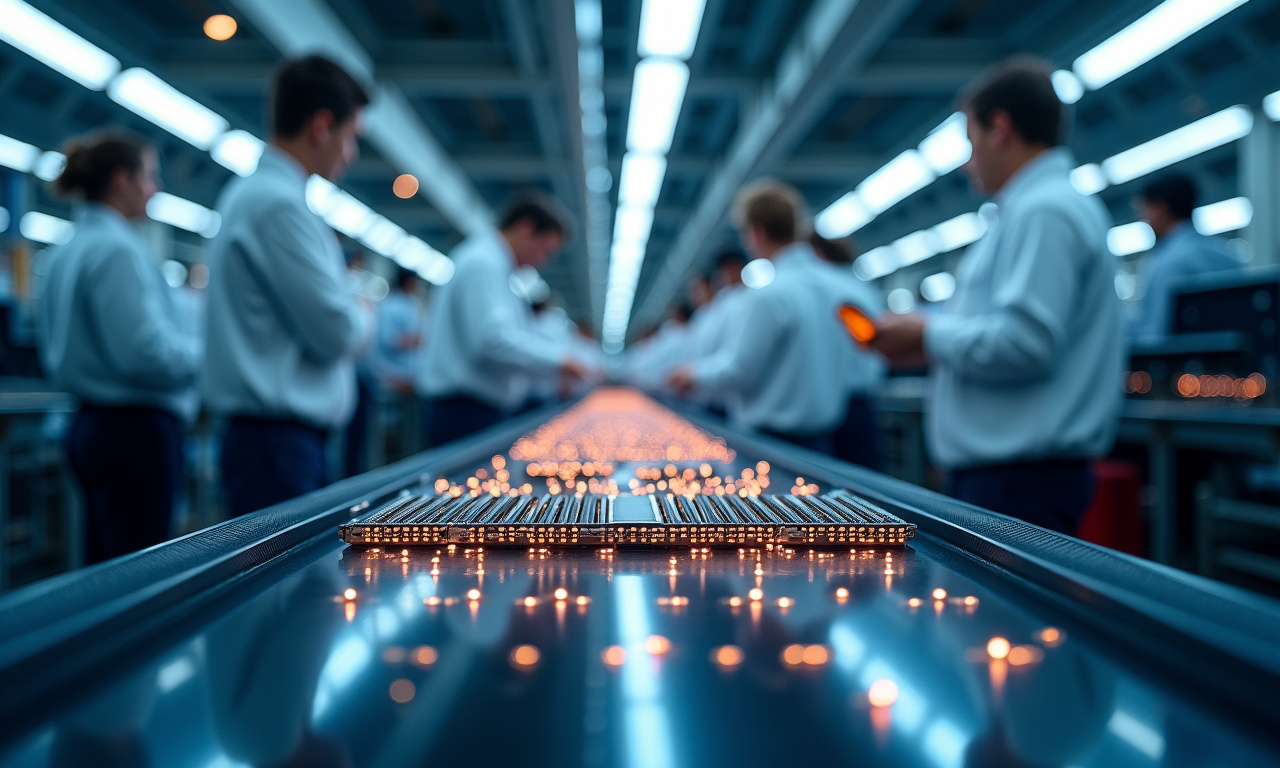

The memory shortage continues to intensify as price hikes now affect not only DRAM producers but also companies involved in chip packaging and testing. According to Taiwan’s UDN, Powertech, ChipMOS, and Walton have announced price increases for their services by up to 30%, with the industry already talking about the next wave of cost hikes. 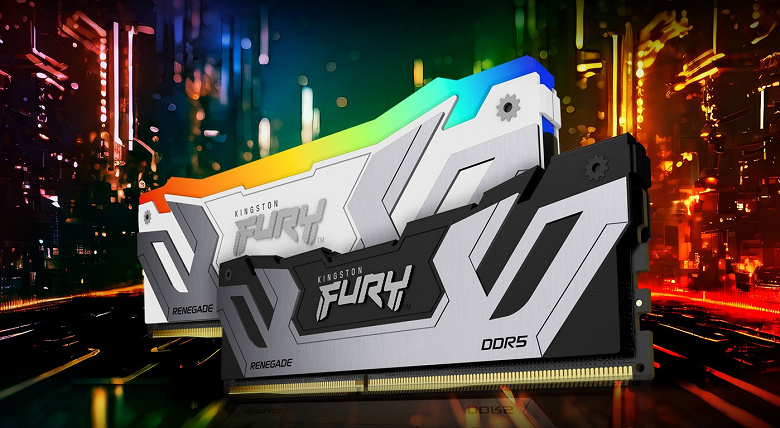 Photo: WCCF/Kingston
Samsung, SK Hynix, and Micron, while responsible for manufacturing DRAM chips (DDR4, DDR5, HBM), rely on backend processing companies to perform critical stages such as packaging, testing, and validation of modules before delivery to clients. A sharp increase in orders, particularly from the AI segment and data centers, has led to capacity overload, enabling contractors to significantly raise prices.
The situation is well illustrated by Powertech, a key partner of Micron. Amidst the redistribution of production capacities, Micron outsourced some high-margin segments, including DDR5 and mobile graphics memory. This allowed Powertech to increase its share of premium orders and operate at high load levels, simultaneously pushing the market towards higher service costs.
Analysts note that the industry has entered a prolonged “supercycle” driven by the AI race, with this cycle potentially extending until 2028. Consequently, the rise in memory prices inevitably affects not only data centers but also the mass market: PCs, laptops, smartphones, and even components not directly related, using scarce materials like aluminum and copper. Market participants believe that price reductions should not be expected in the coming years.
Impact of Inflation on Semiconductor Costs
Within the semiconductor industry, inflation has put upward pressure on both raw material costs and labor expenses, leading to increased manufacturing costs. These challenges are coupled with geopolitical factors affecting market dynamics, with companies seeking ways to maintain steady operations amidst changing global trade relationships.
Asian Market Dynamics and Geopolitical Influences
Asian semiconductor markets, specifically in Taiwan and South Korea, remain dominant due to their advanced manufacturing capabilities and existing supply chain infrastructures. Tensions in geopolitical landscapes, such as trade discussions between the US and China, continue to affect market dynamics, with companies like Samsung, SK Hynix, and Micron seeking to diversify their supply bases and increase reliance on regional partners. As of early 2026, these factors contribute to the volatility in supply and pricing within the sector.
Technological Advancements Fueling Demand
Technological advancements, particularly in AI, are driving demand for high-performance memory chips such as DDR5 and HBM (High Bandwidth Memory). The memory chip market is expected to continue growing due to increasing demand from AI applications, data centers, and mobile devices. As of January 2026, the global memory market is experiencing a robust demand cycle driven by continued technological integration.