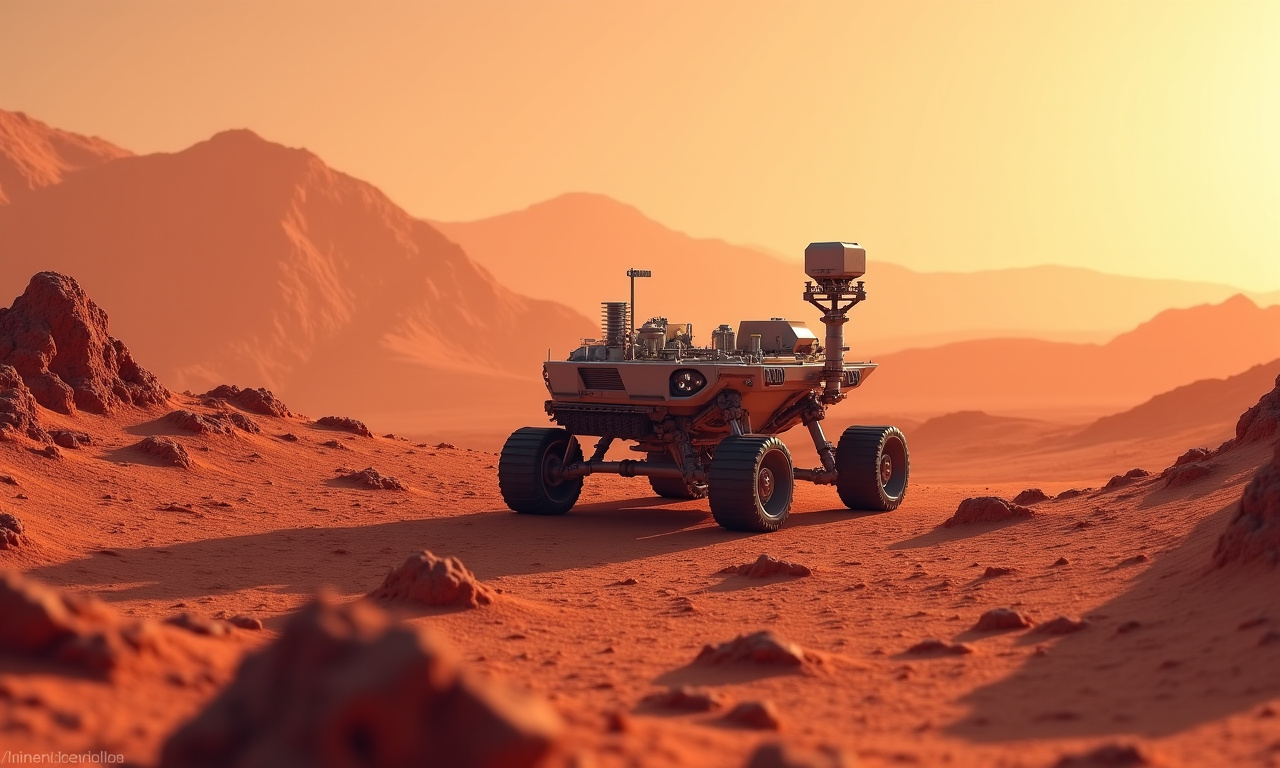

The American Aeronautics and Space Administration, NASA, has an intriguing update from Mars. The NASA rover, Perseverance, has successfully passed tests and is ready for further exploration of the Red Planet. In nearly five years of work, the apparatus has covered about 40 kilometers (25 miles), collecting scientific data and rock samples. In the coming years, it will continue its mission, heading to a new region called Lac de Charmes, where scientists hope to find new rock samples for analysis.
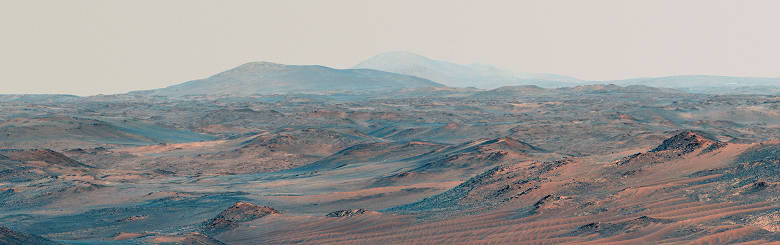
As with its predecessor, Curiosity, which has been exploring another region of Mars since 2012, Perseverance was designed for long journeys. Specialists at NASA’s Jet Propulsion Laboratory in California, who manage the mission, conducted a series of tests confirming that the rover’s mechanisms can withstand many more kilometers. In particular, it was determined that the wheel turning mechanisms can function for at least another 60 kilometers (37 miles). Over the past two years, engineers have conducted a comprehensive evaluation of nearly all vehicle subsystems, concluding that they can be operational at least until 2031. Perseverance features autonomous navigation systems, allowing it to independently choose a safe route, avoiding obstacles. This significantly speeds up the sample collection process and enhances research efficiency.
In its prior studies in Jezero Crater, where a lake once existed, the rover uncovered samples containing traces of potential past microbial life. In the new region, scientists expect to find additional evidence that may help unravel the mysteries of Mars’ development and its atmosphere. Notably, recent data has shown increased stability in Perseverance’s navigation systems, optimizing its exploration efficiency even further. Meanwhile, Curiosity continues to explore the Gale Crater, recently discovering new clay-rich regions, which provide insights into the planet’s watery past.